The dominant football conferences, the Big Ten and Southeastern Conference (SEC), face significant internal disagreements and external pressures, raising questions about their envisioned separate governance and the future cohesion of college sports.
Reports from the past year detail a crumbling alliance between the two powerhouse leagues, ostensibly over the format of the future College Football Playoff (CFP). This discord follows a period of aggressive expansion, with the Big Ten absorbing USC and UCLA, and both leagues reportedly eyeing further acquisitions like North Carolina and Virginia.
The core of the dispute appears to revolve around playoff qualification and conference scheduling. The Big Ten advocates for a model that would grant its own conference four automatic bids to the CFP, alongside four for the SEC, two each for the ACC and Big 12, one for the "Group of 5," and three at-large spots. This '4-4-2-2-1-3' proposal has met resistance, with the SEC seemingly open to a 5-11 format, where five conference champions receive automatic berths and eleven at-large selections are made.
Read More: FIFA World Cup 2026 Revenue Reaches $15 Billion With New Ticket Prices
This divergence has led to a "frustrating stalemate" and a "power struggle," according to various reports. Administrators outside these leagues express fatigue with the ongoing negotiations and what is perceived as the Big Ten and SEC's unilateral drive to reshape college football.
A Call for Separation
The current climate has prompted some to suggest a radical solution: a complete separation from the perceived dominance of the Big Ten and SEC. An athletic director from Iowa State, speaking to USA Today, proposed that other conferences should "break away from them." This sentiment stems from a feeling that the larger conferences, by seeking to dictate terms and establish separate governance, are actively undermining the existing structure of college sports.
The controversy is not confined to sports circles. A U.S. Congressman has issued a "stern warning" to the SEC and Big Ten, cautioning them against destabilizing college football. This intervention underscores the growing concern over the potential for a complete league breakaway.
Read More: UNC Basketball Looks to Big Ten for New Transfer Player
Navigating a New Landscape
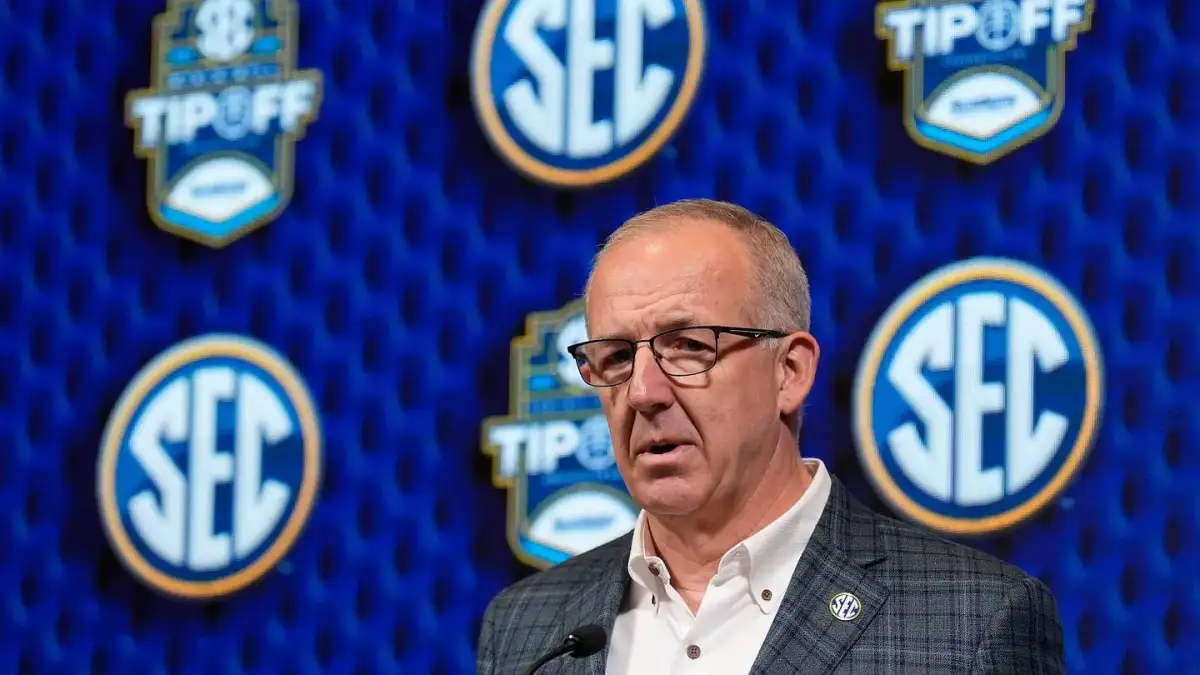
The issues extend beyond just the playoff format. Discussions around athlete compensation, driven by the 'House settlement', and the establishment of a unified governance model are further complicated by the Big Ten and SEC's perceived unwillingness to operate within existing NCAA constraints. These two leagues have reportedly formed a "joint advisory group" to address litigation, athlete pay, and future leadership, suggesting a move towards a separate operational framework.
The College Sports Commission (CSC), tasked with overseeing revenue sharing and ensuring compliance with NIL (Name, Image, and Likeness) deals, has recently seen success in an NIL arbitration case. This suggests a functioning system outside the direct control of the potentially fragmenting top conferences, though its broader role in the emerging landscape remains to be seen.
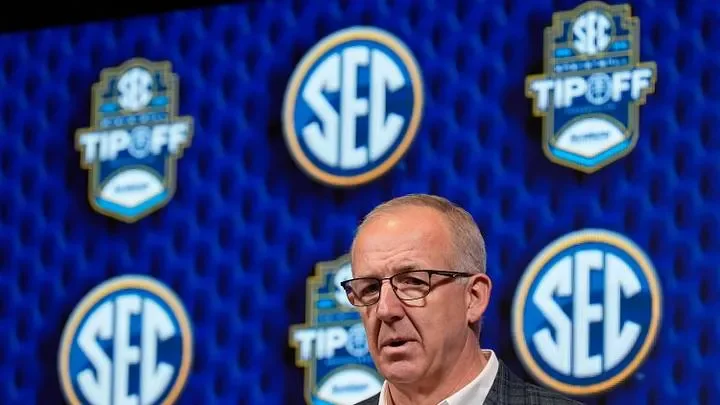
Echoes of Realignment
The current friction is a continuation of a seismic shift that began years ago. The Big Ten's expansion to include USC and UCLA, followed by the Pac-12's subsequent collapse and realignment, demonstrated the profound impact of conference power plays. The potential for further expansion, with North Carolina and Virginia being eyed by both the SEC and Big Ten, indicates that the desire for consolidation and increased media rights revenue remains a driving force.
Read More: England World Cup Match: Pubs Open Until 5 AM Monday
The fundamental disagreement over conference game scheduling—the Big Ten's established nine-game conference slate versus potential shifts demanded by the SEC—highlights the differing operational philosophies. While the Big Ten may push for uniformity, the resistance to changing their established model suggests a reluctance to compromise on foundational aspects of their competitive identity.