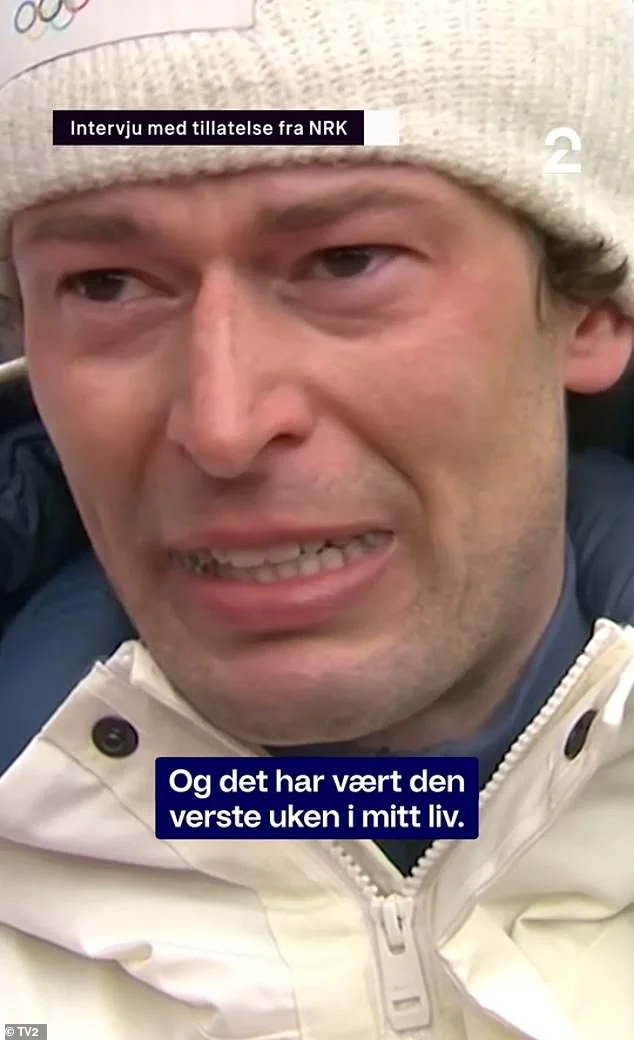
A Norwegian biathlete, Sturla Holm Laegreid, has publicly admitted to cheating on his girlfriend during a live television interview following his bronze medal win at the Winter Olympics. The confession, which has generated widespread attention, marks an unusual moment where personal failings were disclosed on a global stage immediately after a significant athletic achievement. Laegreid, visibly emotional, described the act as his "biggest mistake" and the "worst week of my life."
The athlete's decision to disclose his infidelity immediately after securing his first individual Olympic medal has become a focal point, raising questions about the motivations behind such a public declaration and its potential impact on his personal relationships and career.
Details of the Confession and its Immediate Aftermath
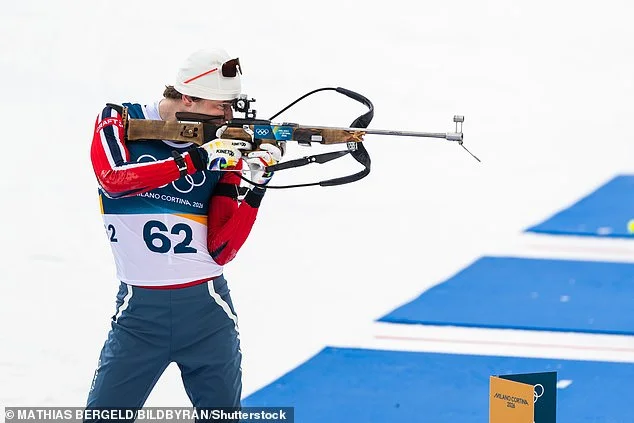
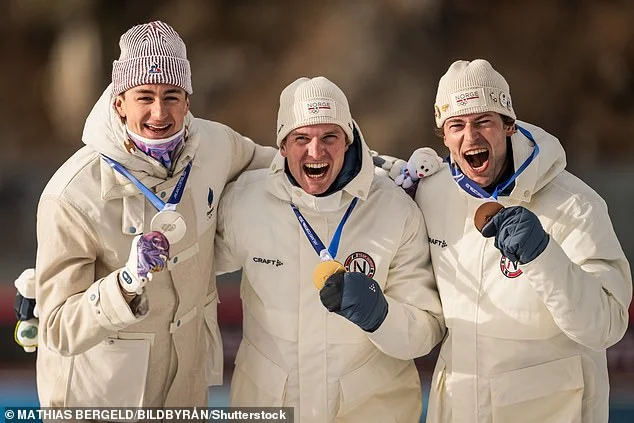
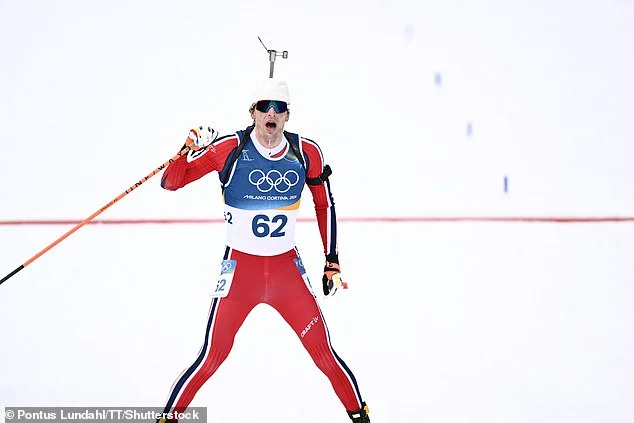
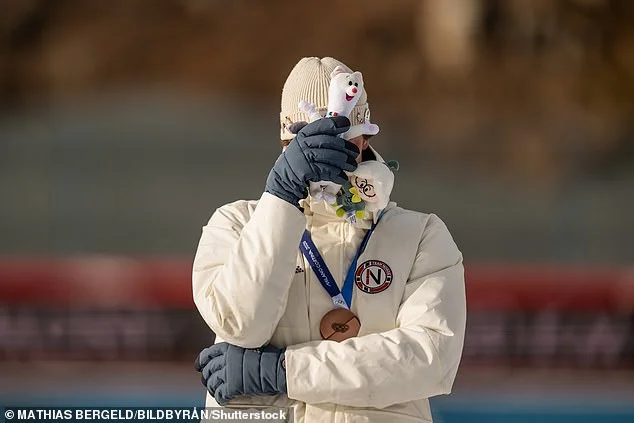
Sturla Holm Laegreid, a 28-year-old biathlete representing Norway, won a bronze medal in the men's 20km individual race at the Milan-Cortina Games. Shortly after the race, during a live interview with Norwegian broadcaster NRK, he made a public confession of infidelity.
Read More: Olympic Games Have Many Controversies and Scandals
Laegreid stated he had been unfaithful to his girlfriend of six months approximately three months prior to the interview.
He expressed deep remorse, calling the infidelity "my biggest mistake" and admitting to enduring "the worst week of my life" since telling his partner about it.
The athlete appeared to cry during the interview, indicating significant emotional distress.
He stated his primary motivation for going public was a desperate bid to win back his girlfriend's trust and love, believing honesty was the only way to resolve the situation.
Laegreid also mentioned feeling a sense of responsibility to be open due to his medal win, wishing he could share the achievement with his partner.
Timeline of Events
The confession occurred in the immediate aftermath of Laegreid's bronze medal victory in the men's 20km individual biathlon event. The timeline indicates:
Read More: Ukrainian Skeleton Racer Removed from Olympics for Helmet Tribute
Three Months Prior: Laegreid admits to the act of infidelity.
One Week Prior: Laegreid confesses his infidelity to his girlfriend.
February 10, 2026: Laegreid wins bronze in the men's 20km individual race.
Following the Race: Laegreid gives a live television interview where he confesses to cheating on his girlfriend.
Evidence and Public Statements
Multiple news outlets have reported on the incident, citing direct quotes from Laegreid and describing his demeanor during the interview.
"You have to admit when you do something you can’t stand for, and hurt someone you love so much."Sturla Holm Laegreid, speaking to NRK.
"I realised that this is the woman in my life, and I can’t live my whole life keeping it a secret from her. My only way to solve it is to tell everything and put everything on the table, and hope that she can still love me."Sturla Holm Laegreid, quoted by VG.
"It was Laegreid’s first individual Olympic medal."Reported by multiple sources, highlighting the significance of the moment.
Read More: Finnish Ski Jumping Coach Sent Home From Olympics For Alcohol Issue
The public nature of the confession has led to varied reactions, with some commentators questioning the appropriateness of airing personal matters on such a platform, while others acknowledge the courage in his honesty.
Analysis of the Confession
Motivation for Public Disclosure
Laegreid's decision to confess infidelity live on television after winning a medal appears driven by a complex interplay of personal regret, a desire for reconciliation, and a perceived sense of obligation tied to his public profile.
Desire for Reconciliation: Laegreid explicitly stated his hope that coming clean would allow him to win back his girlfriend. This suggests a strong underlying desire to salvage the relationship.
Moral Obligation: He referenced feeling a need to admit fault when hurting someone he loves, indicating a personal moral compass that demanded confession, even under intense public scrutiny.
Spotlight as an Opportunity: Winning an Olympic medal placed him in a rare position of significant media attention. Laegreid seemingly used this spotlight as the only viable platform to communicate his plea for forgiveness directly.
Burden of Secrecy: The athlete described the period after telling his girlfriend as the "worst week of his life," implying the weight of secrecy was also a heavy burden he wished to shed.
Impact on Public Perception
The confession has undeniably shifted the narrative surrounding Laegreid's Olympic success, transforming a moment of athletic triumph into a story of personal drama.
Read More: Ukrainian Athlete Removed from Olympics for Helmet Honoring War Victims
Mixed Reactions: Public commentary ranges from sympathy for his emotional distress to criticism for upstaging his own victory and that of his teammates.
Focus on Personal Life: The incident has diverted attention from the athletic competition itself, highlighting the public's fascination with athletes' personal lives.
Role Model Question: Laegreid's stated desire to be a good role model was juxtaposed with his admission of infidelity, prompting discussions on the complexity of public figures and their actions.
Broader Implications
The incident raises broader questions about athletes' privacy and the pressures they face, particularly in the age of instant global communication.
The Athlete's Burden: It underscores the intense pressure on athletes, where moments of personal vulnerability can become public spectacles.
Media's Role: The live broadcast platform amplified a personal crisis, prompting reflection on how media coverage intersects with athletes' private lives.
Future Conduct: The long-term impact on Laegreid's career and personal relationships remains a subject of observation.
Conclusion
Norwegian biathlete Sturla Holm Laegreid has publicly admitted to infidelity during a live television interview following his bronze medal win at the Winter Olympics. He described the act as his "biggest mistake" and expressed deep remorse, stating his public confession was an attempt to reconcile with his girlfriend. This unprecedented disclosure during a post-medal interview has drawn significant attention, shifting focus from athletic achievement to personal matters. The long-term consequences for Laegreid's relationships and career are yet to be determined.
Primary Sources:
Daily Mail: Olympic medalist confesses to CHEATING on his girlfriend on live TV - Provided extensive details on the confession and Laegreid's emotional state.
Wales Online: Winter Olympics star admits cheating on girlfriend in live TV confession - Reported on the athlete's use of the interview to seek forgiveness.
E! Online: Olympian Sturla Holm Lægreid Confesses to Affair During Live Interview - Contextualized the confession within the broader Olympic event.
The Straitstimes: Biathlon-Tearful Norwegian confesses to cheating on girlfriend, begs forgiveness after bronze medal win - Included direct quotes regarding his hope for reconciliation.
Outkick: Olympian Wins Medal, Confesses To Cheating On His Girlfriend During Post-Race Interview - Offered commentary on the public reaction to the confession.
LBC: Olympic medal winner makes cheating confession as he admits to 'biggest mistake' of life during live TV interview - Highlighted Laegreid's description of the infidelity as his "biggest mistake."
TSN: Norwegian biathlon bronze medallist confesses to cheating on girlfriend in post-race interview - Detailed the context of the interview following his medal win.
Sportbible: Olympic Medal Winner Confesses To Cheating On Girlfriend In Live TV Interview - Focused on Laegreid's emotional state and reasoning for the confession.
BBC Sport: Biathlon medallist Sturla Holm Laegreid admits cheating on girlfriend - Confirmed details of the medal win and the confession, noting his status as a multiple world champion.
ESPN: Biathlon medalist admits to cheating on girlfriend in interview - Provided reporting on the unexpected turn of the post-race interview.
Mundo Deportivo: Unprecedented moment: Milan–Cortina Olympic medalist admits cheating on his girlfriend during live TV interview - Described the event as an "unprecedented moment" and a "public confessional."
The Independent: Norwegian wins Winter Olympics bronze - then admits to cheating on girlfriend on TV - Provided a concise summary of the athlete's actions.
Read More: Ilia Malinin Does Olympic Backflip, But It Doesn't Get Points