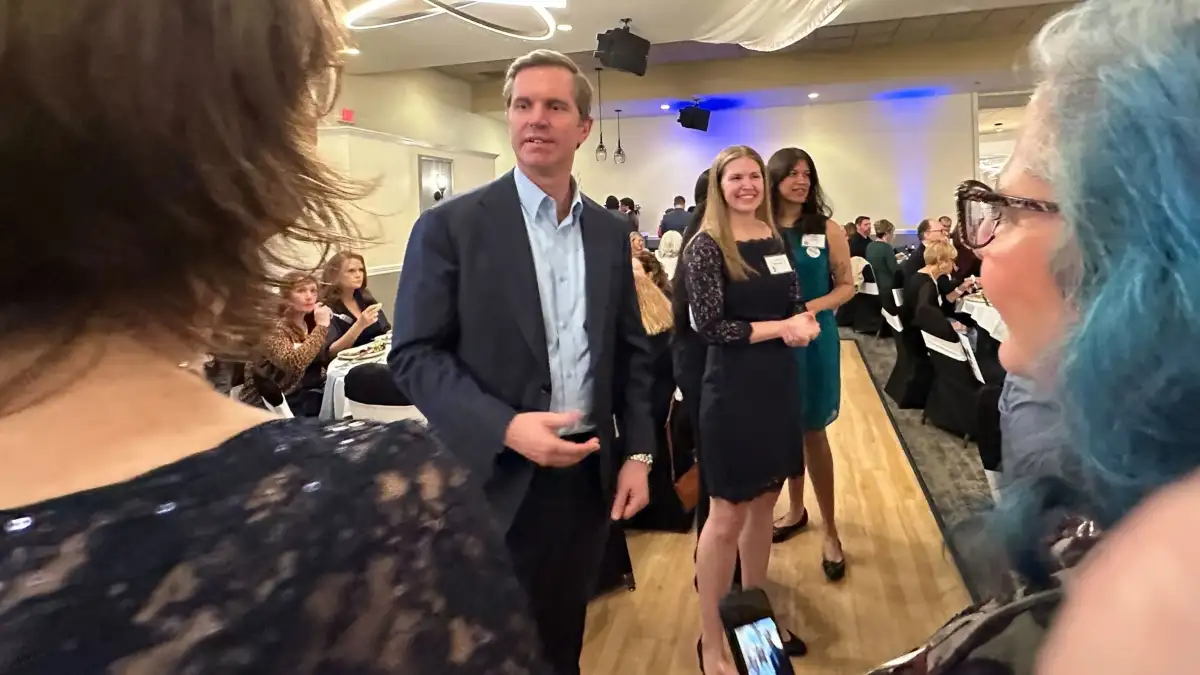
Kentucky Governor Andy Beshear delivered a pointed critique of Vice President JD Vance during a Saturday speech in Butler County, Ohio, Vance's home territory. Beshear's remarks, made at a local Democratic Party gala, accused the Vice President of misrepresenting his background and abandoning the very communities he once wrote about.
The Kentucky governor, widely considered a potential contender for the Democratic presidential nomination, directly challenged Vance's narrative. Beshear highlighted his own success in winning three statewide elections in "deep-red Kentucky," framing it as a model for Democrats to focus on "the issues that matter most to the people."
Vance's spokesperson, Taylor Van Kirk, dismissed the attacks, suggesting Beshear was seeking publicity and "humiliating himself in the process." The spokesperson alluded to previous instances where Beshear allegedly retracted similar criticisms.
This confrontation isn't solely about policy or past promises. It appears to be a strategic maneuver, with both politicians engaging in a public sparring match that could resonate in future electoral cycles. Beshear and Vance, separated by only seven years in age, have previously clashed on issues ranging from abortion access to their personal preferences, hinting at a deeper, ongoing rivalry.
Read More: South Australia Election: One Nation Surges Past Liberals as Labor Leads
Shifting the Focus
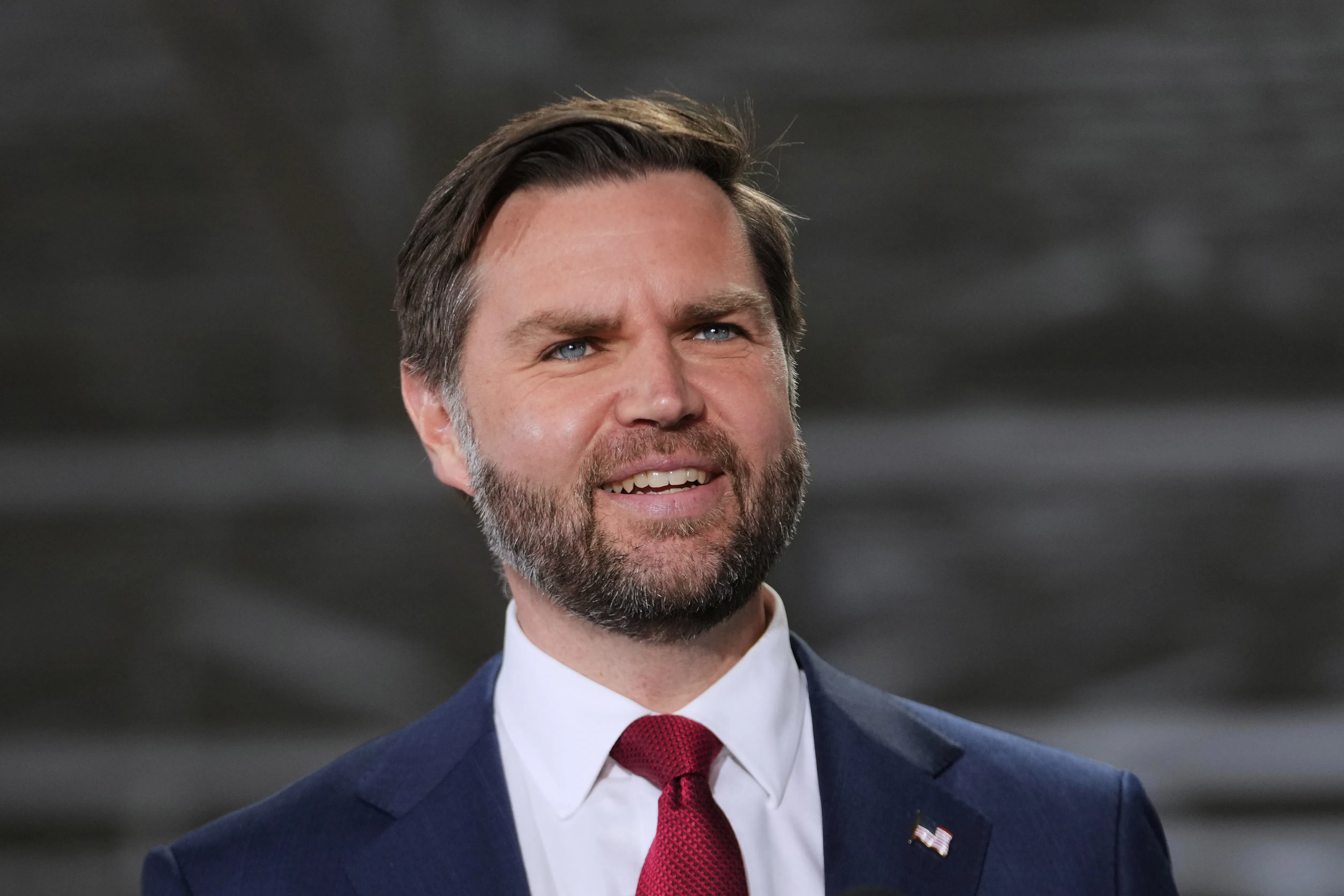
Beshear's appearance in Vance's home county is a deliberate move, aiming to frame Vance as out of touch with his roots. This narrative is not unique to Beshear; California Congressman Ro Khanna has also been sharpening his criticism of Vance, attempting to paint the Vice President as more extreme than Trump. Khanna's speeches have targeted Vance's alma mater, Yale Law School, and the City Club of Cleveland, suggesting a coordinated effort within the Democratic party to scrutinize Vance.
Vance's Memoir and Political Ascent
JD Vance rose to national prominence with his memoir, which sought to explain the appeal of Donald Trump among working-class and rural white voters. His identity as someone who understood this demographic was central to his political success. However, Beshear's current line of attack seeks to discredit this foundational element of Vance's political persona, questioning his authenticity.
Read More: Donald Trump says he is 'glad' Robert Mueller died, sparking anger
The 2028 Undercurrent
The intensity of these exchanges, particularly Beshear's visit to Vance's home turf, signals an early strategic positioning for the 2028 presidential election. Vance, at 41, is seen as a potential future nominee, and this direct engagement by a fellow Democrat suggests a broader Democratic strategy to undermine his viability long before the official nomination process.