Bengaluru is slated for substantial infrastructure upgrades, with an outlay of ₹7,000 crore earmarked for development projects under the proposed 2026-27 budget. This includes a ₹3,000 crore allocation for the white-topping of 450 kilometers of roads within the city.
The budget further details a ₹2,250 crore investment in tunnel road and flyover construction to bolster Bengaluru's urban transport capabilities. Plans are also in motion for the formulation of a new, revised Master Plan-2041 and a Comprehensive Mobility Plan (CMP) specifically for Bengaluru.
Beyond roads, the budget highlights progress on public transit, with an additional 41 kilometers of Namma Metro lines set to be completed this year, projected to benefit an estimated 15 lakh passengers. The report also mentions preparations for a second international airport for Bengaluru, contingent upon technical opinions from the Airports Authority of India (AAI).
Read More: Solaris Energy SEI Stock Price Forecast Reaches $91.98 by July 2027
Key Financial Outlays and Social Programs
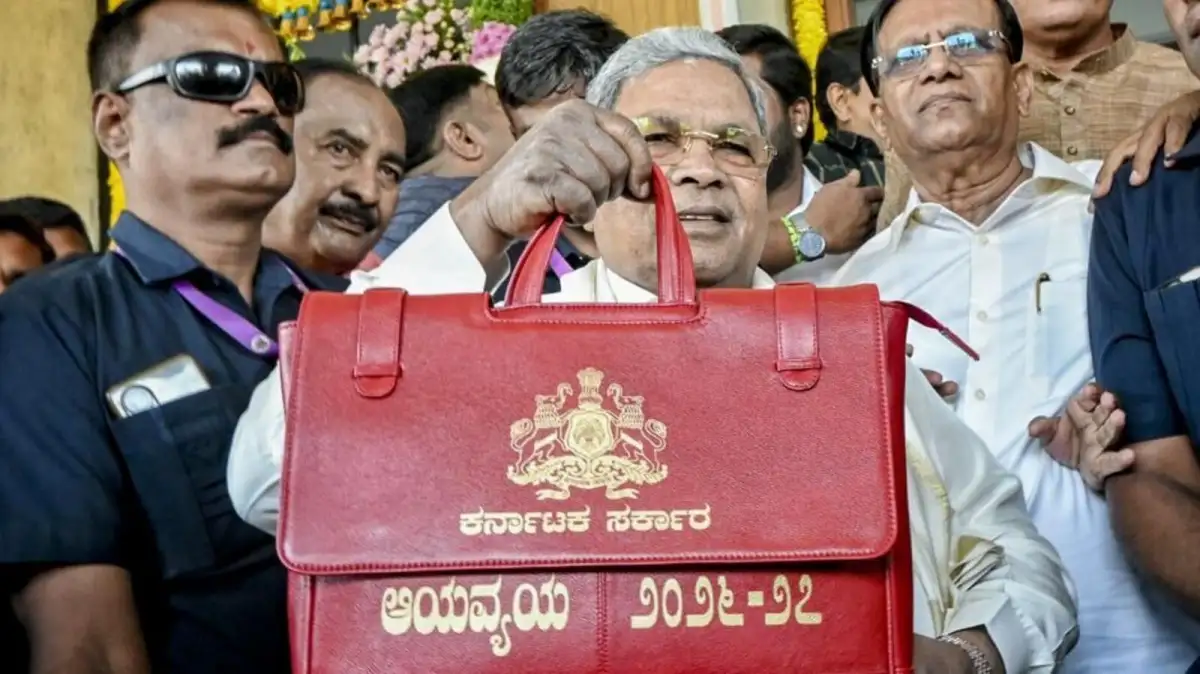
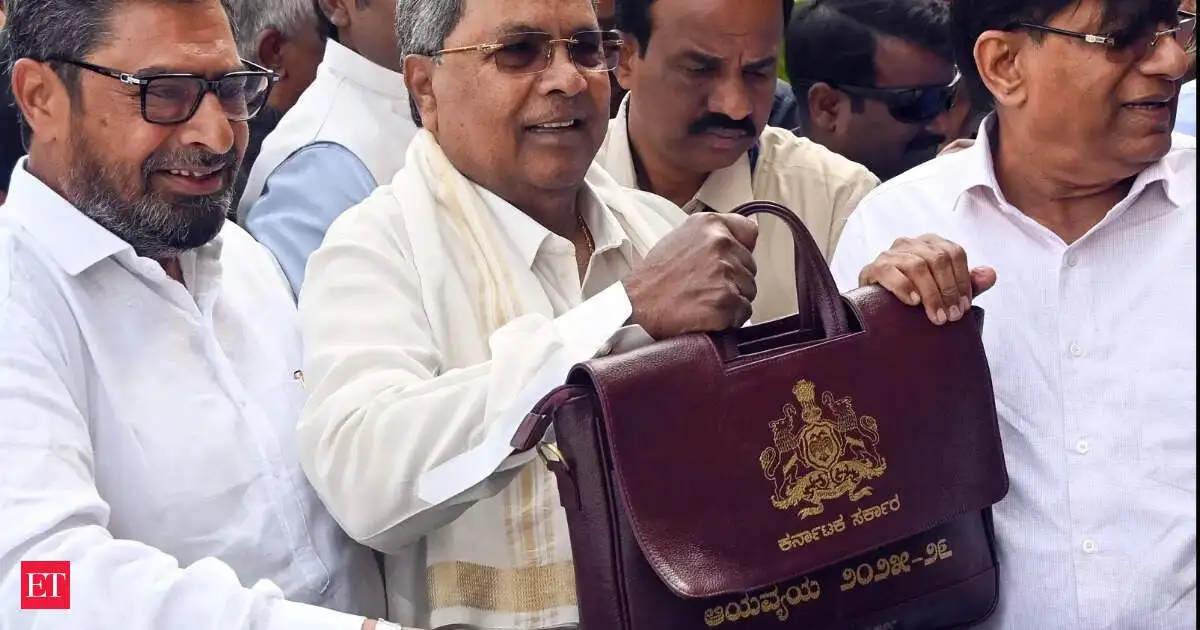
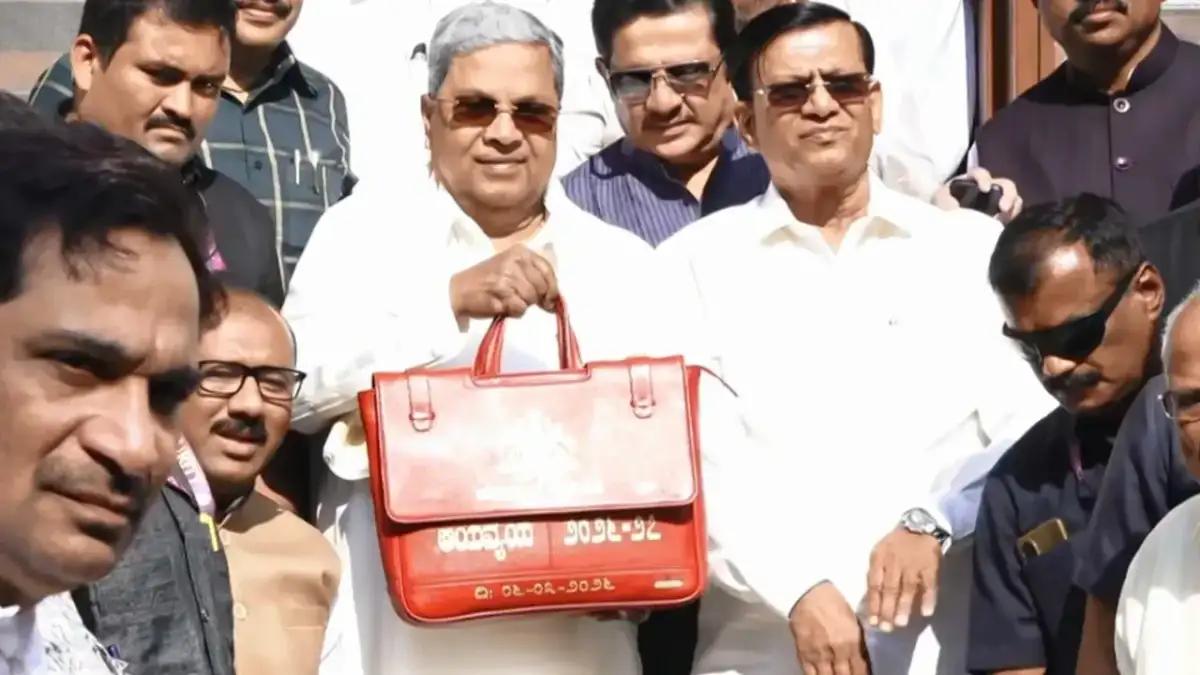
The overall budget presented by Chief Minister Siddaramaiah stands at ₹4.48 lakh crore. A significant portion of the government's spending is dedicated to social welfare schemes. The five major guarantee schemes are allocated a total of ₹51,599 crore, with 'Gruha Lakshmi' receiving ₹28,608 crore and 'Gruha Jyothi' getting ₹10,578 crore. The 'Yuva Nidhi' scheme is set to receive ₹913 crore, 'Anna Bhagya' ₹6,200 crore, and 'Shakthi' ₹5,300 crore.
A notable policy announcement includes a ban on social media use for children under 16, alongside measures to combat drug abuse in educational institutions.
Education and Healthcare Investments
The education sector sees allocations for infrastructure development, including ₹565 crore for constructing new classrooms and repairs in government schools, and an additional ₹75 crore for toilets and ₹25 crore for furniture. A grant of ₹125 crore is designated for the maintenance of primary and pre-university colleges. Furthermore, 800 schools are slated for upgrade to 'Karnataka Public Schools' at a cost of ₹3,900 crore, with plans to fill 15,000 vacant teaching positions.
Read More: New Bengaluru Green Line Metro Trains Arriving by August 2026
The health sector is to receive ₹900 crore for strengthening infrastructure. The budget also earmarks ₹10 crore for a trauma care centre in Raichur and ₹92 crore for peripheral cancer centres in Mysuru and Tumakuru.
Broader Economic and Regional Development
The budget incorporates initiatives aimed at promoting economic growth through various models, including a 'gig economy' for labour welfare, 'geographical equality' to reduce regional disparities, and a focus on a 'global trade economy,' a 'tourism-driven economy,' and a 'green economy' for renewable energy.
In terms of revenue, the state expects to generate approximately ₹11,000 crore from mining royalties. The total debt of Karnataka is reported to be ₹8,24,389 crore.
Background
Chief Minister Siddaramaiah presented his 17th state budget, emphasizing a dual focus on robust infrastructure development, particularly for Bengaluru, and comprehensive social welfare programs. The budget aims to address urban congestion through transport and connectivity enhancements while continuing significant financial commitments to social support schemes. Allocations reflect a strategic approach to balancing metropolitan development with broader state welfare objectives.
Read More: Rocket Companies brand update in April 2026 changes logos and names

/newsfirstprime/media/media_files/2026/02/18/green-line-metro-2026-02-18-14-46-47.jpg)