


Bengaluru - A confluence of escalating CNG, LPG, and diesel prices has plunged Bengaluru's transport sector into a state of significant disruption. Auto-rickshaw drivers, cab operators, and truck owners report mounting financial strain, while commuters grapple with amplified ride costs and altered travel patterns.
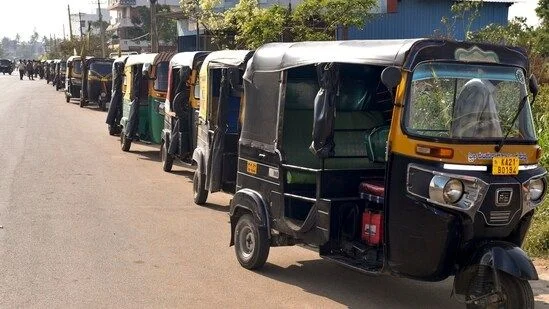
The core issue revolves around a sharp increase in fuel prices, notably CNG, LPG, and diesel, which are outpacing existing fare structures for public and commercial transport. This imbalance creates a tangible financial crisis for drivers and businesses, alongside increased expenditure for everyday citizens.
Auto Drivers Face Financial Squeeze
Auto-rickshaw drivers are reporting substantial losses, struggling to cover daily fuel expenses, vehicle upkeep, and basic living costs. The current minimum fare, pegged at ₹36, has remained static despite the escalating price of fuels like LPG and CNG. Driver associations have consequently petitioned authorities for a fare revision, arguing that the existing structure is no longer sustainable.
Read More: Elizabeth Line Helps Londoners During Tube Strike on July 6

Mounting Costs: Drivers cite the inability to meet daily expenses due to unchanged fares and rising fuel expenditures.
Association Demands: Unions are actively lobbying for an upward revision of auto fares to reflect the current economic reality of fuel costs.
Commuters Bear the Brunt of Increased Fares and Congestion
Passengers are experiencing a noticeable hike in auto-rickshaw fares, particularly on app-based platforms like Ola, Uber, Rapido, and Namma Yatri. Some journeys are reportedly costing up to 40% more than previously. This surge, coupled with the recent ban on bike taxis, has led to a resurgence in traffic congestion, further burdening commuters. The unavailability of bike taxis has intensified reliance on autos and potentially contributed to longer travel times and higher overall transportation costs for the middle class.
App-Based Fare Hikes: Trips on popular ride-hailing apps are now significantly more expensive, with some evening journeys costing considerably more than standard rates.
AI Tools Emerge: Commuters are increasingly turning to AI-powered tools and fare comparison platforms to navigate the fluctuating and elevated prices.
Bike Taxi Ban Impact: The prohibition of bike taxis appears to have exacerbated traffic issues and placed greater pressure on other transport options.
Trucking Industry Gripped by Strike and Price Discontent
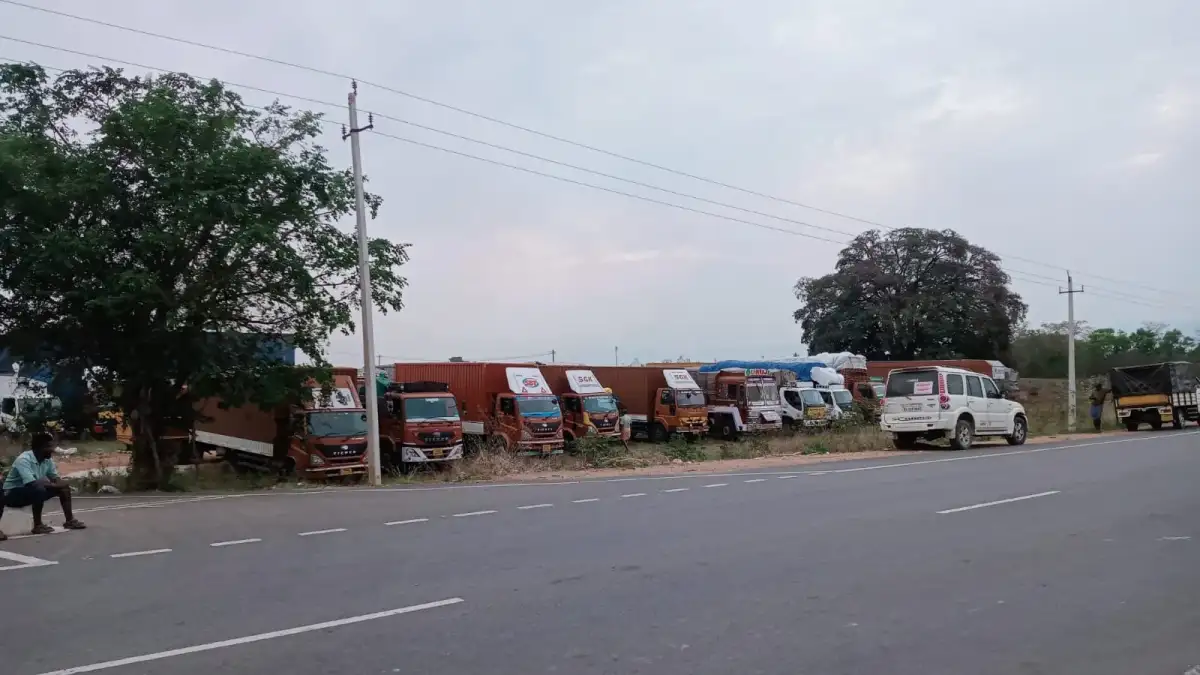
The transport sector, particularly the trucking industry, has responded with significant action. Approximately 6 lakh trucks in Karnataka have halted operations, launching an indefinite strike over increased diesel prices and other related concerns. Truck owners point to substantial daily and monthly financial losses attributed to the diesel price hike.
Economic Losses: Lorry owners estimate daily losses of around ₹800 per lorry, translating to monthly deficits of approximately ₹24,000.
Freight Charge Review: Freight charges are under review as industry bodies engage with authorities.
Small Scale Industry Impact: The surge in diesel prices is also severely affecting small-scale industries, escalating operational costs and potentially leading to job losses.
Toll Fee Grievance: Truck owners are also protesting the collection of toll fees on state highways, a practice they claim is unique to Karnataka and adds to their financial strain.
Political Ramifications and Supply Chain Worries
The escalating fuel prices have also entered the political arena, with the Congress party staging protests against the central government's role in the price increases. Simultaneously, there are reports of LPG supply disruptions, with fuel stations receiving reduced quantities, leading to queues and impacting auto drivers and local eateries. This scarcity, combined with price hikes, raises concerns about the broader impact on supply chains and the availability of essential goods and services.
Read More: New Bengaluru Green Line Metro Trains Arriving by August 2026
Political Accusations: The state government, led by Congress, has publicly criticized the central government regarding the fuel and LPG price hikes.
LPG Shortage: Limited LPG supply at filling stations is creating operational difficulties for some businesses and drivers.
Supply Chain Disruptions: The statewide truck strike directly impacts the movement of goods, potentially affecting industries and consumers across Karnataka and neighbouring states.
Background:The persistent rise in fuel costs, encompassing petrol, diesel, CNG, and LPG, has become a recurring theme impacting the Indian economy. In Bengaluru, this issue is amplified by specific local factors such as the existing fare structures for auto-rickshaws, the recent enforcement of a ban on bike taxis, and unique state-level policies like highway toll collection for trucks. These elements combine to create a complex web of economic pressures on both service providers and consumers.
/newsfirstprime/media/media_files/2026/02/18/green-line-metro-2026-02-18-14-46-47.jpg)


