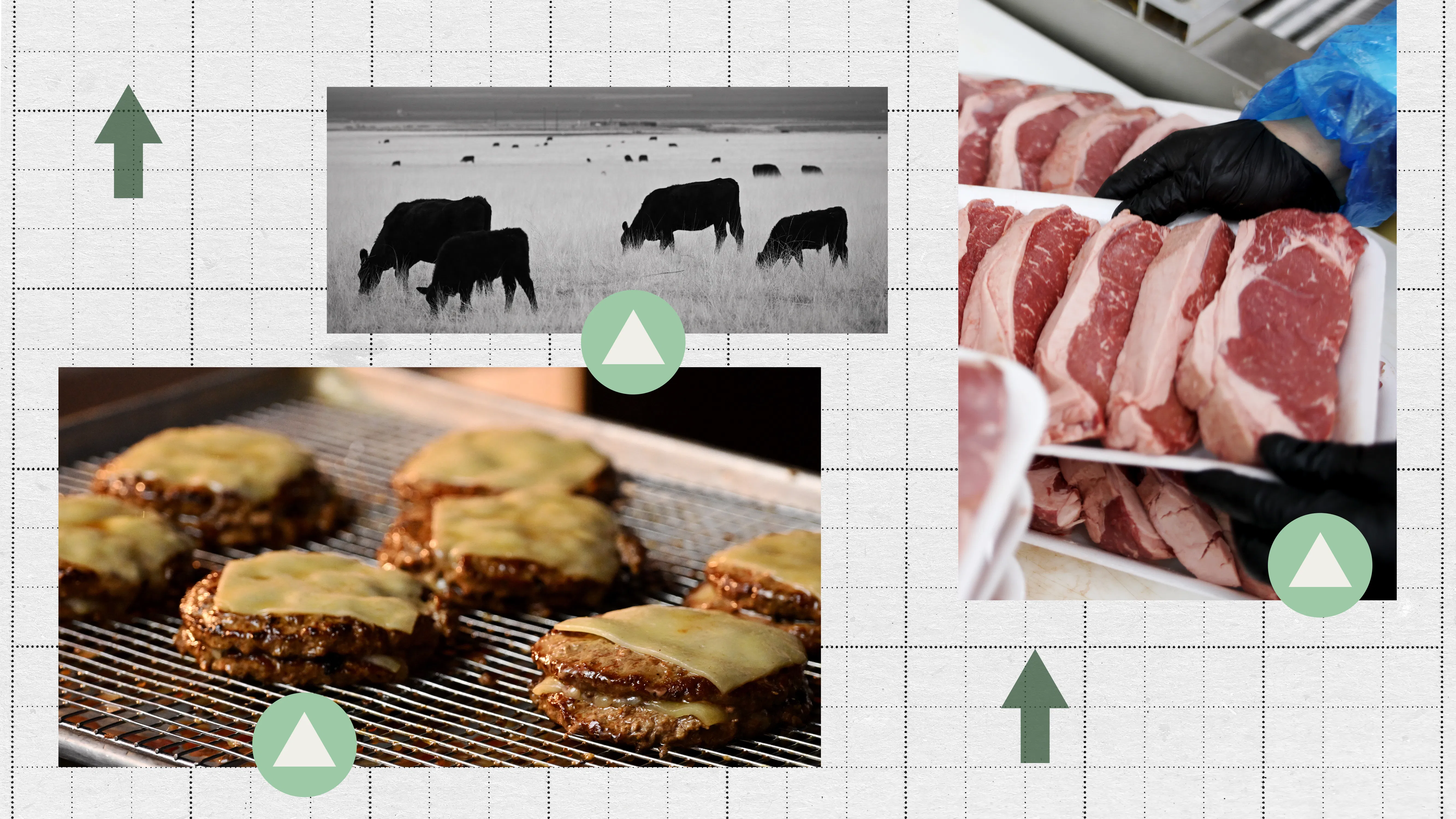
Beef prices have climbed to historic highs, with uncooked steaks averaging $13.02 per pound and ground beef exceeding $7 per pound, marking a significant increase of 70% and 77% respectively since January 2020. This dramatic rise is primarily driven by a severe cattle shortage, with the U.S. cattle inventory at its lowest point in approximately 75 years, a decline exacerbated by prolonged drought in key ranching regions. Despite the escalating costs, consumer demand for beef remains remarkably robust, fueled by dietary preferences and perceived quality improvements.

Restaurants Rethink Menus Amidst Cost Squeeze
The unprecedented beef prices are forcing numerous restaurants, from high-end establishments to classic steakhouses, to reconsider their offerings. Some eateries are absorbing the increased costs, impacting their profit margins on signature dishes, while others are turning to alternative meats like chicken and pork to manage overall food expenses and maintain sales. Brands such as White Castle have explicitly shifted promotional focus away from beef products. However, some mid-priced chains, like Texas Roadhouse and Outback Steakhouse, appear to be navigating this challenging market, with indications of growth.
Read More: Carrot price war: Supermarkets sell carrots for 5p, farmers worry
Factors Fueling the Price Hikes
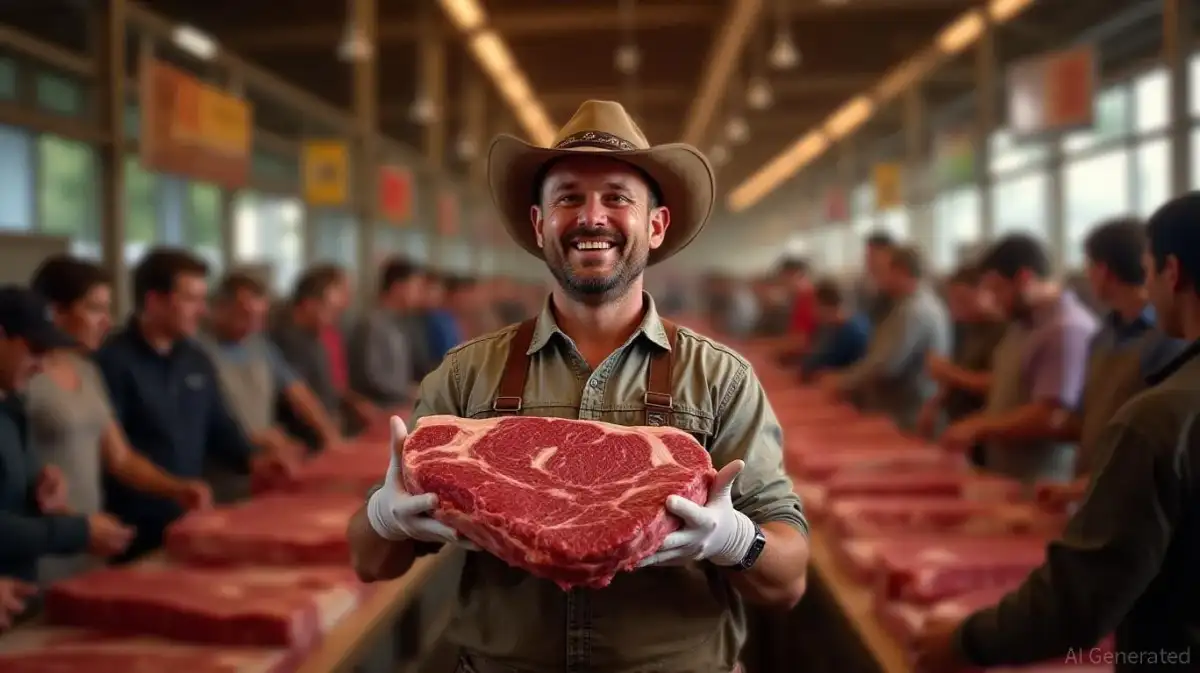
The current beef market's turmoil stems from a complex interplay of factors. A historic cattle shortage, now the smallest in 75 years, is a principal driver. Years of drought have forced ranchers to reduce herd sizes, and the subsequent rebuilding process is inherently slow, taking at least two years to bring cattle to maturity. Compounding this supply-side constriction are rising overhead costs for cattle ranchers, including feed, labor, fuel, and equipment. Efforts to alleviate the pressure, such as suspending tariff-rate quotas on beef imports, have seen limited traction. Meanwhile, even the demand for ground beef, typically a more affordable option, has been affected by a shortage of lean trim, pushing its prices upward. To compensate for domestic supply issues, beef imports, particularly from Brazil, Australia, and Canada, have seen an uptick.
Read More: Goldman Sachs predicts 15 million US jobs lost to AI by 2036
Consumer Resistance Emerges
While demand has largely held steady, there are emerging signs of consumer resistance to the escalating prices. Shoppers are beginning to push back against the higher costs, reflecting broader inflationary pressures affecting the food sector. This evolving market dynamic necessitates adaptation from both businesses and consumers. The situation highlights a period of significant adjustment, as individuals and establishments grapple with the sustained impact of these record-high beef prices.