The 'public service broadcaster' entity known as the BBC has put forth a notion to open its digital broadcasting platform, BBC iPlayer, to other UK broadcasters. This proposed shift signifies a potential departure from its traditional, self-contained digital presence, suggesting that shows from entities like Channel 4 and others could soon find a home on iPlayer. This idea emerged during discussions surrounding the BBC's future, particularly in response to government consultations and in speeches delivered by Director-General Tim Davie.

The core proposal involves making iPlayer a shared space for UK public service broadcasters, alongside potential inclusion of other UK TV services. This move is framed as a way to 'drive more value' and adapt to an era of 'infinite choice,' where global streaming services present significant competition.

Davie has publicly stated his agreement with the chair of Channel 4, emphasizing that the BBC should not own Channel 4, and that reducing the number of UK commissioners would be counterproductive. This stance suggests a recognition of the need for a broader ecosystem of UK-originated content, rather than a consolidation of power. The BBC's response to a government green paper consultation on its future also pointed to opening up BBC Sounds to third-party UK content.
Read More: Justice Dept Subpoenas Wall Street Journal Over Leak Report

Collaborative Future or Dilution of Identity?
The push for iPlayer to host other broadcasters' content, alongside plans for a collaborative internet-connected streaming device with ITV, Channel 4, and Channel 5, points towards a strategy of shared infrastructure. This initiative aims to provide free access to live and on-demand content, specifically designed to help audiences navigate the transition to online services, particularly those less familiar with digital technology. The BBC leadership has also spoken about the necessity of "reinvention" in the face of a "brutal" financial outlook and a perceived "crisis of trust" amplified by misinformation and the rise of AI.
Read More: MIT Boron-Oxygen Molecule Acts as Builder in Chemical Reactions
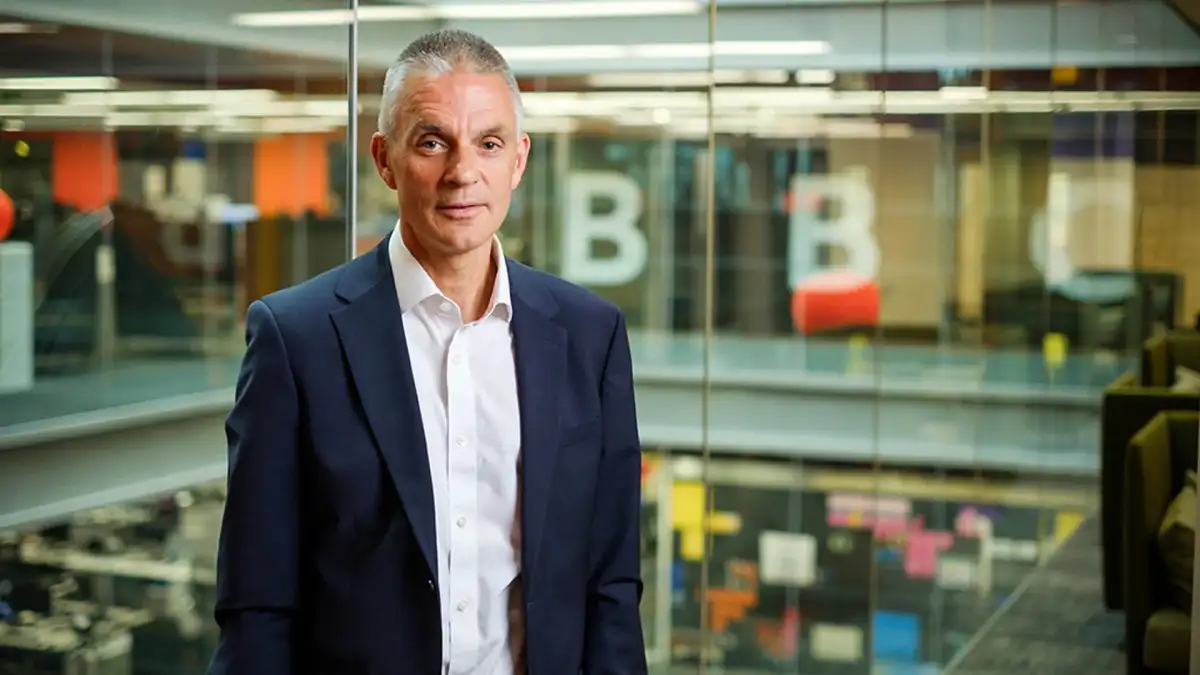
The Director-General has articulated a vision of the BBC as a "catalyst for building trust," and this expansion of iPlayer's remit could be seen as part of that effort. It also comes at a time when the BBC is exploring its own 'AI on our terms' approach and has reiterated its commitment to its role in delivering value to UK audiences.
Licence Fee, Trust, and the Digital Frontier
Discussions around the future of the BBC are intrinsically linked to the 'licence fee model,' which Davie has stated is "worth fighting for." The rationale presented is that if the BBC can deliver value for every household, then a model of fair contribution is justifiable. However, there are already sentiments suggesting that the introduction of adverts on BBC services would lead to a cessation of viewing and license fee payment.
Read More: Holly Willoughby Starts New Digital Project Without ITV
The BBC's position within the UK media landscape remains a subject of ongoing debate. While it asserts its unique position, with a significant portion of UK adults using its news services weekly and its apps being highly popular, it also faces the reality of a fragmented media environment. The suggestion to open iPlayer to rivals, while presented as an innovation, also raises questions about the distinct identity and purpose of the BBC's own digital platform in an increasingly competitive and collaborative streaming world.
Background: A Broadcasting Giant Navigating Change
The BBC, a public service broadcaster funded by a licence fee, has been a cornerstone of British media for decades. Its current Director-General, Tim Davie, has been at the helm during a period of significant technological and societal shifts. These include the proliferation of global streaming giants, the rise of artificial intelligence, and widespread concerns about misinformation.
Read More: Irish Times AI Scam and Deepfake Election Threat
In response to these challenges, the BBC has been actively engaging in public consultations about its future, particularly regarding its charter renewal. Proposals have ranged from structural reforms to innovative digital strategies. The idea of opening iPlayer, while seemingly radical, is part of a broader effort to ensure the continued relevance and accessibility of UK public service broadcasting in the digital age. The organization also faces scrutiny over impartiality and its role in a democratically-minded society, themes that Davie has acknowledged as significant challenges during his tenure. The proposed changes to iPlayer are thus situated within a complex web of financial pressures, technological evolution, and the enduring question of how public service broadcasting can best serve its audience in the 21st century.