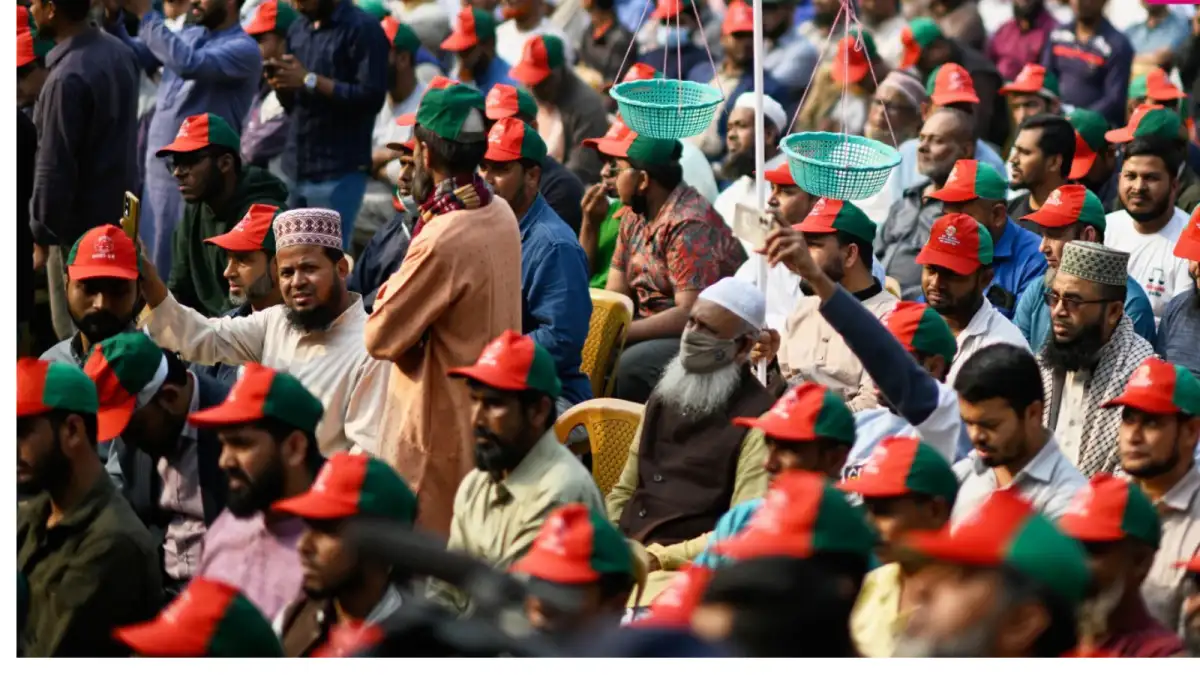
Bangladesh is poised for a pivotal general election on February 12, 2026, marking the first electoral contest since the ousting of former Prime Minister Sheikh Hasina. The nation, with approximately 12.77 crore eligible voters, will cast ballots for 300 parliamentary seats. Beyond the parliamentary race, voters will also participate in a national referendum on constitutional reforms, including proposals for term limits and restructuring executive powers. This election occurs against a backdrop of widespread protests, political turmoil, and specific concerns for minority communities.
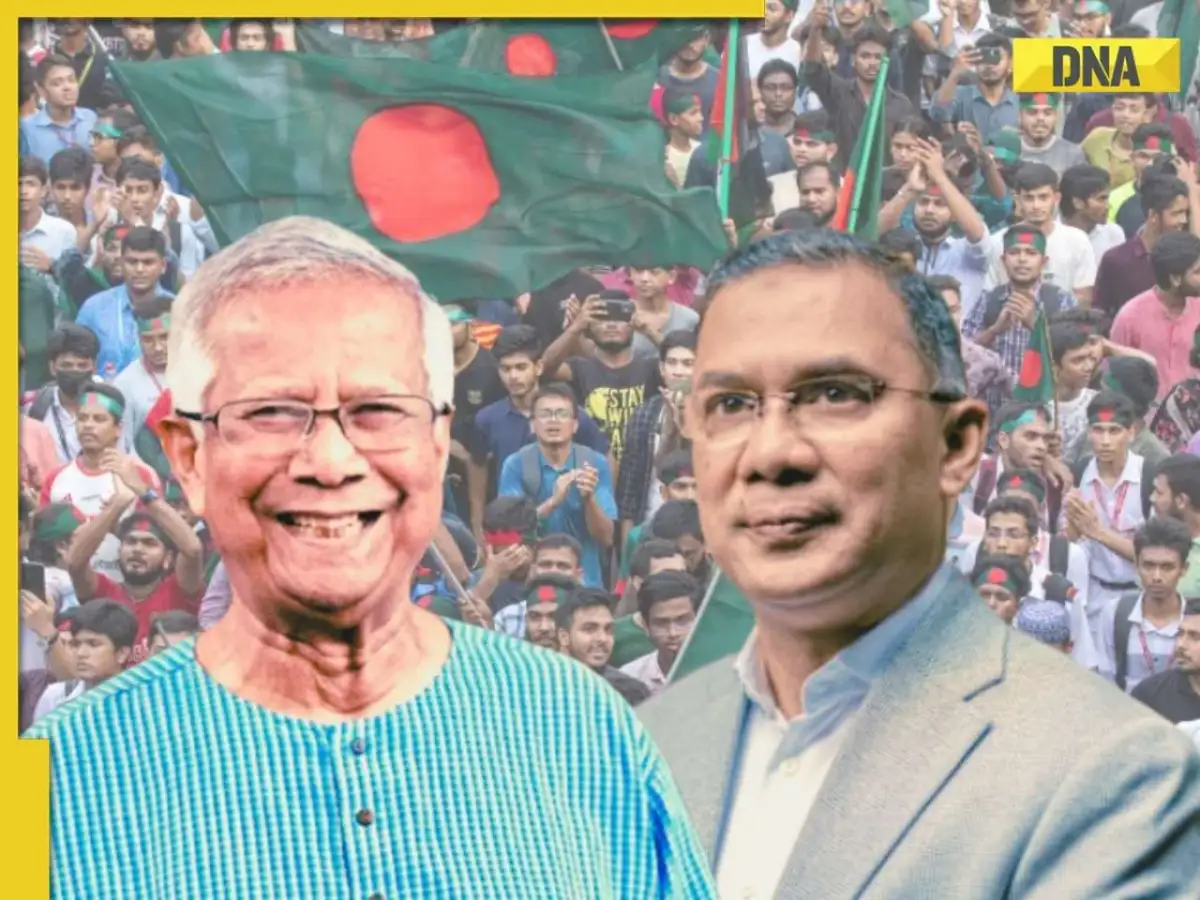
Political Landscape: New Alliances and Banned Parties
The upcoming election presents a reshaped political field. The Awami League, the party of ousted Prime Minister Sheikh Hasina, is banned from participating in this election. This absence opens avenues for other political forces, with opinion polls suggesting a narrow edge for the BNP-led alliance.

Key Alliances:
BNP-led Alliance: This coalition, comprising 10 parties, is reportedly leading in opinion polls, with an estimated vote share of 44.1 percent. The Bangladesh Nationalist Party (BNP) itself will contest on 288 seats.
Jamaat-led Coalition: An 11-party alliance, including Jamaat-e-Islami, is closely trailing, with an estimated 43.9 percent vote share. Jamaat-e-Islami is reported to have 11.9 percent individual support. If this alliance wins, its chief Shafiqur Rahman is expected to become prime minister.
Amar Bangladesh Party (AB Party): Positioned as a centrist, reform-oriented alternative, it aims to attract voters disillusioned with traditional parties.
Left Democratic Alliance: A coalition of left-wing parties, including the Communist Party of Bangladesh.
Other Contesting Parties:
Jatiya Party: Expected to contest on 195 seats.
Bangladesh Muslim League: Will contest 17 seats.
Jatiya Party (Manju): Will contest 10 seats.
Bangladesh Sangskritik Muktijodha party: Will contest 20 seats.
National Citizen Party (NCP): Advocates for reformist policies including a new constitution and judicial reform.
Social and Security Concerns Leading Up to the Polls
The election period has been marked by reports of heightened tensions and specific vulnerabilities for certain communities. Election officials have implemented extensive security measures to ensure a peaceful process.
Read More: Taiwan Holds Nantou County Drills to Prepare for State Collapse

Minority Community Concerns: Reports indicate a surge in targeted attacks against Bangladesh’s Hindu minority community, including the alleged setting fire to religious sites and vandalism. These incidents are attributed by some to Islamist forces operating under the guise of election-related unrest.
Security Deployment: Approximately 11 to 12 lakh personnel from various security forces will be deployed nationwide to maintain law and order during the elections.
International Observation: 394 international observers and 197 foreign journalists are present to monitor the proceedings.
Electoral Process and Voter Information
The election day activities are structured to accommodate the large electorate.

Voter Demographics: Out of the 12.77 crore eligible voters, approximately 6.48 crore are male and 6.28 crore are female.
Polling Schedule: Voting is scheduled to begin at 7:30 am and conclude at 4:30 pm on February 12.
Results: Election results are expected to be confirmed on February 13. The use of automated and digital devices is intended to expedite the results process.
Legislative Framework: The Jatiya Sangsad (Parliament of Bangladesh) comprises 350 lawmakers. A majority of 151 seats is required for a party or coalition to form the government.
Key Issues and Voter Sentiments
Public sentiment appears to be influenced by past political experiences and a desire for systemic change.
Desire for Rule of Law: Many voters express a strong desire for the restoration of the rule of law, indicating concerns about existing governance structures.
Reform Promises: Political parties are projecting themselves as reformist, promising to restore democracy and implement political reforms.
Freedom of the Press: Concerns regarding media crackdowns persist, making freedom of the press a significant issue for voters.
Anti-Corruption Measures: Parties like Bangladesh Jamaat-e-Islami are campaigning on platforms that include anti-corruption measures and a promise of a mafia-free society.
Expert Analysis
"This election carries extraordinary significance. The absence of the Awami League fundamentally alters the electoral dynamic, creating an opportunity for the opposition to capitalize on public discontent over issues like election rigging and shrinking civil liberties." - (Attributed analysis based on aggregated reporting)
"The allegations of targeted violence against minorities are deeply concerning and highlight the challenges of ensuring a truly inclusive and peaceful electoral process. The deployment of security forces aims to mitigate such risks." - (Attributed analysis based on aggregated reporting)
Conclusion
The February 12 elections in Bangladesh are poised to be a watershed moment, shaped by the absence of a major political force and the aspirations for reform among the electorate. The BNP-led alliance appears to hold a slight advantage according to opinion polls, but the outcome remains closely contested. The process will be closely watched by international observers, and the results will determine the nation's political trajectory, with significant implications for governance, civil liberties, and social cohesion. The referendum on constitutional reforms further adds to the stakes, potentially reshaping the country's foundational governance structures.
Used Sources & Context:
Al Jazeera: Provided context on political parties, electoral system, and general election overview. https://www.aljazeera.com/news/2026/2/9/bangladesh-2026-elections-explained-in-maps-and-charts
Al Jazeera: Explained what happens, when, and what's at stake in the election. https://www.aljazeera.com/news/2026/2/11/bangladesh-election-2026-what-happens-when-and-whats-at-stake
The Financial Express: Offered insights into opinion poll predictions and frontrunners. https://www.financialexpress.com/world-news/bangladesh-elections-2026-who-are-the-frontrunners-heres-what-the-opinion-polls-say/4138915/
The Financial Express: Detailed key parties, alliances, and past election results. https://www.financialexpress.com/world-news/bangladesh-elections-2026-date-time-key-parties-and-alliances-past-election-results-all-you-need-to-know/4138814/
Wikipedia: Listed candidates, which, while extensive, provided a broad overview of electoral participation. https://en.wikipedia.org/wiki/2026Bangladeshigeneralelection
NDTV: Provided live updates and highlighted issues such as concerns of the Hindu minority and the absence of the Awami League. https://www.ndtv.com/world-news/bangladesh-election-2026-live-updates-bangladesh-polls-voting-bangladesh-election-results-bnp-tarique-rahman-jamaat-muhammad-yunus-sheikh-hasina-10987418
NDTV: Discussed key parties and major issues ahead of the polls, including press freedom. https://www.ndtv.com/world-news/bangladesh-election-2026-general-election-on-12th-feb-bangladesh-election-2026-key-parties-and-major-issues-ahead-of-polls-10963175
Indian Express: Offered a guide to the election, including date, key issues, and the significance of it being the first post-Hasina poll. https://indianexpress.com/article/world/bangladesh-election-2026-guide-bnp-jamaat-sheikh-hasina-aftermath-10524325/
Indian Express: Provided details on election dates, phases, seats, and the majority mark. https://indianexpress.com/article/world/bangladesh-election-2026-guide-seats-parliament-july-national-charter-referendum-10518775/
Indian Express: Offered five key things to know before voting, including party projections and security measures. https://indianexpress.com/article/world/bangladesh-national-election-2026-july-charter-bnp-jamaat-ncp-results-date-10523292/
DNA India: Confirmed voting and results dates, highlighting it as the first election since Sheikh Hasina's ousting. https://www.dnaindia.com/world/report-bangladesh-election-2026-voting-scheduled-for-feb-12-results-on-feb-13-first-election-since-ousting-of-ex-pm-sheikh-hasina-here-what-to-know-3199932
Hindustan Times: Reported on the election date and the absence of Sheikh Hasina's party. https://www.hindustantimes.com/world-news/bangladesh-elections-set-for-february-12-first-since-sheikh-hasina-ouster-details-here-101770339930598.html
The Hindu: Focused on key dates, result declaration, and primary contestants. https://www.thehindu.com/news/international/bangladesh-elections-key-dates-result-declaration-primary-contestants/article70594816.ece
Pressenza: Announced the election date and noted the absence of the Awami League, also reporting on attacks against minorities. https://www.pressenza.com/2026/02/bangladesh-goes-to-the-polls-on-12-february-ousted-hasinas-awami-league-absent/
Sunday Guardian Live: Provided information on the number of voters, eligibility, and the voting process. https://sundayguardianlive.com/world/bangladesh-elections-2026-1277-crore-people-to-vote-check-who-is-eligible-voting-process-timing-all-you-need-to-know-169768
Zee News: Offered a general overview of the election, including the date and significance. https://zeenews.india.com/world/bangladesh-election-2026-heres-what-to-know-about-the-polls-on-february-12-3015997.html