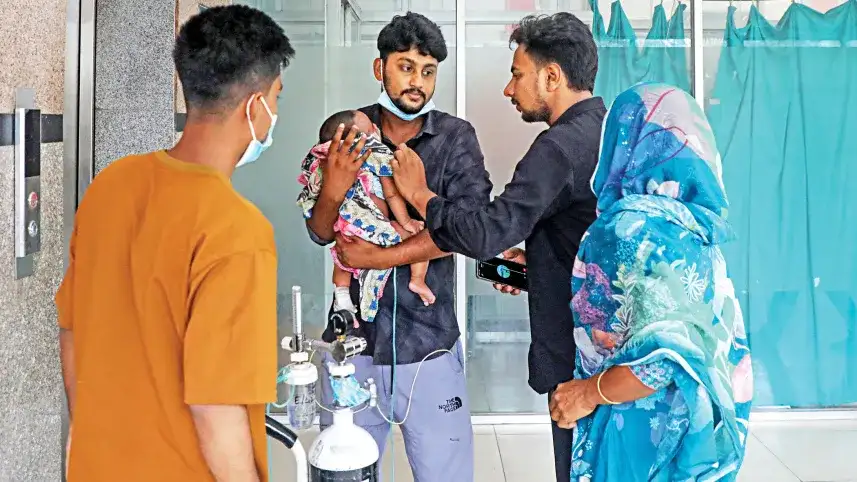
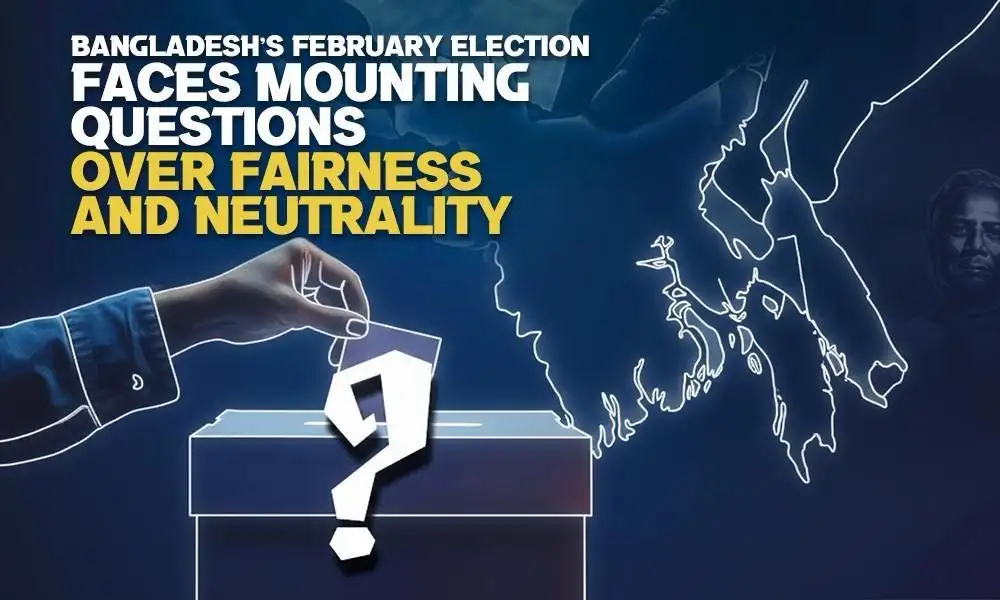
With Bangladesh's general election on February 12, 2026, drawing near, a serious question emerges: can the country's minority communities, particularly Hindus, cast their votes freely and safely? Reports indicate a disturbing rise in violence and attacks against these groups in the lead-up to the polls, sparking widespread anxiety and concern about the fairness of the electoral process. The fate of minority rights and their confidence in the nation's future appear intrinsically linked to the election's outcome and the government's response to these escalating tensions.
Pre-Election Climate Marked by Violence and Uncertainty
As Bangladesh prepares for its 13th general election, the prevailing atmosphere is one of apprehension. The ban on the Sheikh Hasina-led Awami League has reshaped the political landscape, while reports from the Bangladesh Hindu Bouddha Christian Oikya Parishad detail a series of violent incidents targeting minorities.
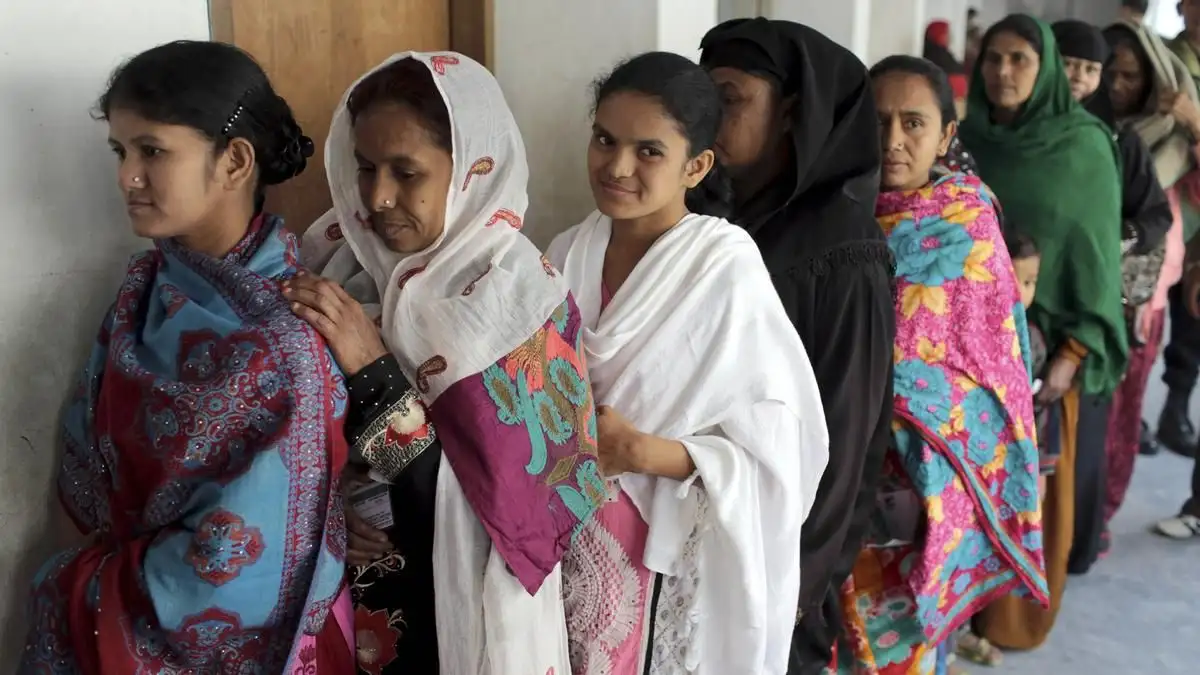
The organization claims these incidents include 10 murders, 10 cases of theft and robbery, and 23 instances of property occupation, looting, and arson targeting homes, businesses, and temples.
This trend of violence has continued into the current year, exacerbating fears among marginalized communities.
The Bangladesh Election Commission (EC), however, has pledged to uphold the voting rights of minorities and ensure a peaceful election.
Election Commission's Assurance and Preventive Measures
In response to the growing concerns, the Bangladesh Election Commission has publicly stated its commitment to safeguarding the electoral process for all citizens.
Read More: Taiwan Holds Nantou County Drills to Prepare for State Collapse
"We are duty-bound to protect the voting rights of minorities and ensure a peaceful poll." - Bangladesh Election Commission
The EC has reportedly implemented preventive measures designed to thwart any disruptions and ensure the safety of all voter groups.
Despite these assurances, a specific incident on January 23 saw a 25-year-old Hindu youth, Chanchal Bhowmik, fatally burned in Narsingdi.
With approximately 1,700 candidates vying for 300 parliamentary seats, the EC maintains that all agencies are operating under its instructions to ensure the integrity of the vote.
Key Political Actors and Minority Perceptions
The upcoming election involves several key political parties, and their historical actions and current overtures are influencing minority communities.
The Bangladesh Nationalist Party (BNP) is presented as a major traditional party, positioning itself as a nationalist and conservative alternative.
The Jamaat-e-Islami has also been actively engaging with Hindu communities, though their past actions are a point of concern for many.
Minority advocacy groups report a broader pattern of communal incidents, including attacks on life, property, and places of worship, leading to significant anxiety.
Sources suggest that Hindus in Bangladesh prioritize their safety and tend to trust the BNP more than the Jamaat.
Broader Implications and Electoral Dynamics
The election's outcome is seen as pivotal, not just for political stability but also for restoring confidence among minority populations.
The safety and confidence of Hindu minorities are a central theme, with many viewing the election as a critical juncture for their rights.
The once-dominant Awami League is not participating in the current elections, leading to voter uncertainty and a less predictable political environment.
Other parties, such as the Amar Bangladesh Party (AB Party), are presenting themselves as reform-oriented alternatives.
The Left Democratic Alliance, a coalition of left-wing parties, is also in the electoral fray.
Conclusion
The impending Bangladesh general election on February 12, 2026, is taking place under a shadow of concern for minority communities. Reports of escalating violence against Hindus and other minority groups, coupled with specific incidents like the tragic death of Chanchal Bhowmik, raise substantial questions about the freedom and safety of their participation. While the Election Commission has pledged protective measures, the frequency and nature of reported attacks necessitate continued scrutiny. The perceived reliability of political parties, such as the BNP versus the Jamaat, further complicates the electoral calculus for these vulnerable populations. Ultimately, the election's fairness and neutrality will be judged, in part, by its ability to ensure that all citizens, regardless of their religious or ethnic background, can exercise their fundamental right to vote without fear.
Read More: Measles Deaths Rise to 495 Amidst Many New Cases
Source: dnaindia.com
Context: Report detailing violence against minorities ahead of the election and expressing anguish from the Bangladesh Hindu Bouddha Christian Oikya Parishad.
Source: newkerala.com
Context: Coverage of the Election Commission's assurances regarding minority voting rights and a specific instance of violence against a Hindu youth.
Link: https://www.newkerala.com/news/a/as-polling-day-bangladesh-draws-close-election-commission-899.htm
Source: indiatvnews.com
Context: Explainer on the significance of the election for the safety and confidence of the Hindu minority, highlighting a pattern of communal incidents.
Source: socialnews.xyz
Context: Discussion on Hindus emerging as a crucial swing vote amidst violence, and their trust perceptions regarding the BNP and Jamaat.
Source: firstpost.com
Context: Reports on the rising fear among Bangladesh's Hindu minority as the election approaches due to increasing attacks. (Note: This article was marked as Low Priority and its content could not be fully extracted for summary.)
Source: aljazeera.com
Context: Feature on political violence haunting the elections, with specific mention of killings of political activists, including a BNP leader.