A bacterial strain recovered from 5,000-year-old ice in a Romanian cave demonstrates resistance to ten different modern antibiotics. This discovery raises questions about the natural evolution of antibiotic resistance and its potential implications for public health. Researchers are examining the strain, identified as Psychrobacter SC65A.3, for insights into how resistance mechanisms develop and spread, even before the widespread use of synthetic antibiotics. While the findings present a scientific opportunity to understand these processes, they also highlight the pervasive nature of antibiotic resistance genes in ancient environments.
Discovery in Scărişoara Cave
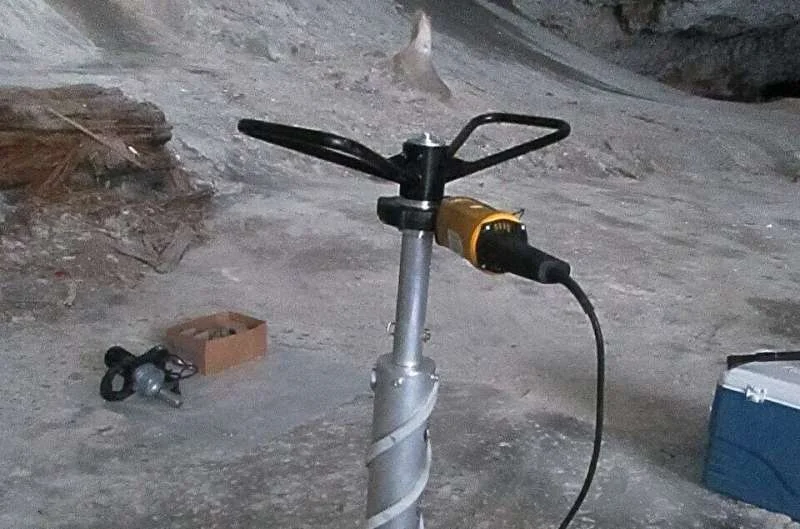
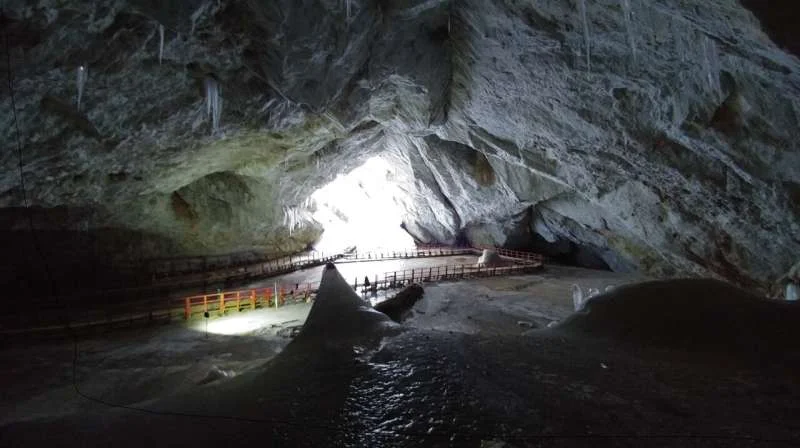
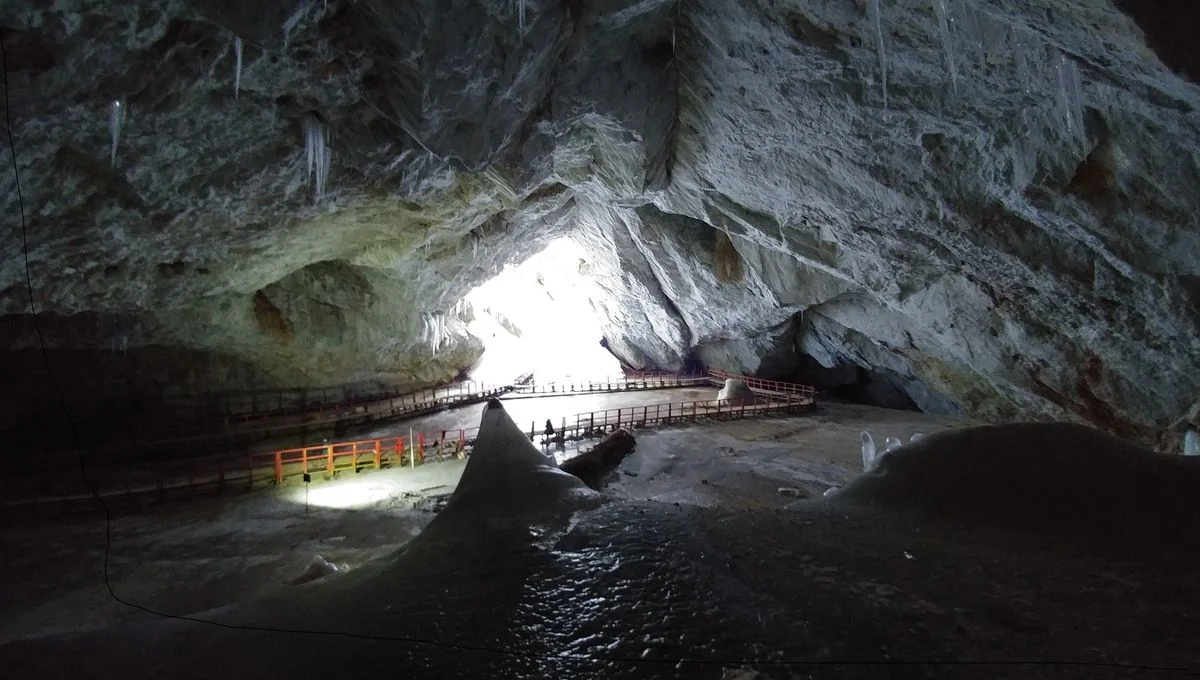
A team of Romanian researchers has analyzed a bacterial strain, Psychrobacter SC65A.3, which was preserved for approximately 5,000 years within a layer of ice in the Scărişoara Ice Cave, located in the Apuseni Mountains of Romania. The cave holds an ice core that represents a timeline of about 13,000 years. Researchers extracted this strain by drilling a 25-meter ice core and transporting samples to the lab while keeping them frozen.
Read More: New Spinosaurus Fossil Shows Different Ancient Predator Life
Age of the Ice: Approximately 5,000 years old.
Location: Scărişoara Ice Cave, Romania.
Bacteria Strain: Psychrobacter SC65A.3.
Method of Retrieval: Drilling a 25-meter ice core.
Antibiotic Resistance Profile
The Psychrobacter SC65A.3 strain was tested against 28 antibiotics from 10 different classes. The results indicate resistance to at least ten of these modern antibiotics. This finding is significant because Psychrobacter bacteria, despite their biotechnological potential, have not been extensively studied for their antibiotic resistance profiles.
Tested Antibiotics: 28 from 10 classes.
Observed Resistance: Against 10 modern antibiotics.
Specific Antibiotics Mentioned: Trimethoprim, clindamycin, and metronidazole.
Novel Finding: First reported resistance for this Psychrobacter strain.
Natural Evolution of Resistance
The presence of antibiotic resistance in a strain that has been isolated from modern environmental influences for millennia suggests that resistance mechanisms evolved naturally long before the advent of human-made antibiotics. Researchers believe studying such ancient microbes can offer a window into how antibiotic resistance initially emerged and spread in natural ecosystems.
Pre-Antibiotic Era Resistance: The study suggests resistance genes were present in the environment thousands of years ago.
Research Potential: Understanding natural evolution of resistance to inform strategies against the current rise of antibiotic resistance.
Quote: "Studying microbes such as Psychrobacter SC65A.3, retrieved from millennia-old cave ice deposits, reveals how antibiotic resistance evolved naturally in the environment, long before modern antibiotics were ever used." - Purcarea, researcher.
Potential for Biotechnological Application and Public Health Concerns
While the discovery is framed as a scientific opportunity to understand and potentially combat antibiotic resistance, it also brings to light the potential for these ancient resistance genes to spread. The Psychrobacter strain itself possesses biotechnological potential, but its resistance profile was largely unknown until this study. The concern is that bacteria surviving in extreme environments, like ancient ice, could serve as reservoirs for resistance genes that might eventually transfer to more pathogenic bacteria.
Read More: New Computer Programs Help Find Medicines Faster
Biotechnological Potential: Psychrobacter bacteria have applications, but resistance was not well understood.
Reservoir of Resistance Genes: Ancient strains in extreme environments may harbor resistance genes.
Dual Nature of Findings: Offers insight but also raises concerns about gene transfer.
Expert Analysis
Scientists are keen to explore how these resistance mechanisms developed and whether they are distinct from those driven by modern antibiotic use. The implication is that antibiotic resistance is a natural phenomenon with deep evolutionary roots, and understanding these ancient pathways could be crucial in developing new approaches to treat infections caused by resistant bacteria. The study, published in Frontiers in Microbiology, highlights the importance of investigating pristine environments for clues about microbial evolution and adaptation.
Focus of Further Study: The mechanisms of resistance in SC65A.3 and their evolutionary origin.
Broader Context: Resistance genes found in other ancient samples, such as permafrost and cryosols.
Conclusion
The identification of antibiotic resistance in a 5,000-year-old bacterial strain from Romanian cave ice presents a compelling case study in the natural history of microbial defense mechanisms. The Psychrobacter SC65A.3 strain's resilience against multiple modern antibiotics underscores the ancient origins of resistance and its persistence in isolated environments. Researchers intend to leverage this discovery to deepen our understanding of how resistance evolves and spreads, which may offer strategies to counter the growing threat of antibiotic-resistant infections. However, the findings also serve as a reminder that resistance is not solely a product of contemporary antibiotic misuse, but a complex biological phenomenon with a long evolutionary trajectory.
Read More: Caltech Scientist Uses Computers and Robots to Make New Medicine Molecules
Sources
Phys.org: Bacterial strain from 5,000-year-old cave ice shows resistance against 10 modern antibiotics. (https://phys.org/news/2026-02-bacterial-strain-year-cave-ice.html)
Popular Science: 5,000-year-old bacteria thawed in Romanian ice cave. (https://www.popsci.com/science/bacteria-ice-cave-romania/)
BBC Science Focus Magazine: This ancient bacterium could help solve the antibiotic resistance crisis – or worsen it. (https://www.sciencefocus.com/news/ancient-ice-bacteria-antibiotic-resistance)
The Mirror: Bacteria found frozen in ice cave terrifyingly resistant to 10 antibiotics. (https://www.mirror.co.uk/news/world-news/bacteria-frozen-thousands-years-ice-36728407)
PubMed Central (PMC) - Article 1: First report on antibiotic resistance and antimicrobial activity of bacterial isolates from 13,000-year old cave ice core. (https://pmc.ncbi.nlm.nih.gov/articles/PMC7804186/)
PubMed Central (PMC) - Article 2: Revealing antibiotic resistance’s ancient roots: insights from pristine ecosystems. (https://pmc.ncbi.nlm.nih.gov/articles/PMC11500074/)