Whispers of Spectacle, Echoes of Champagne
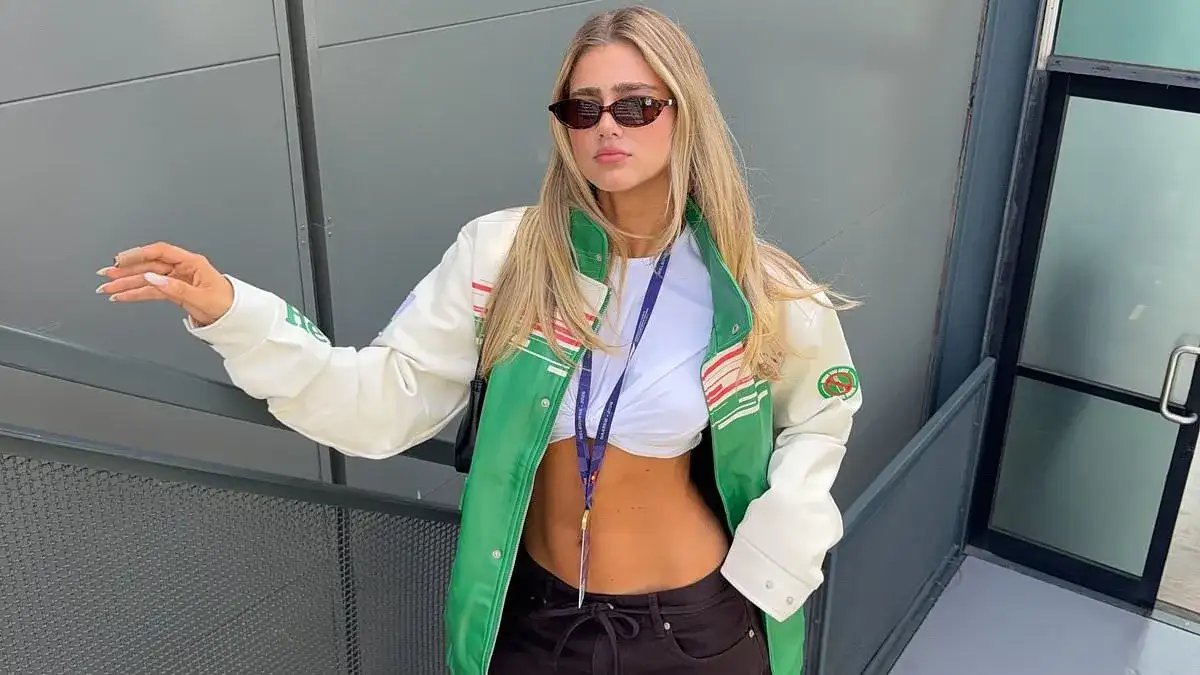
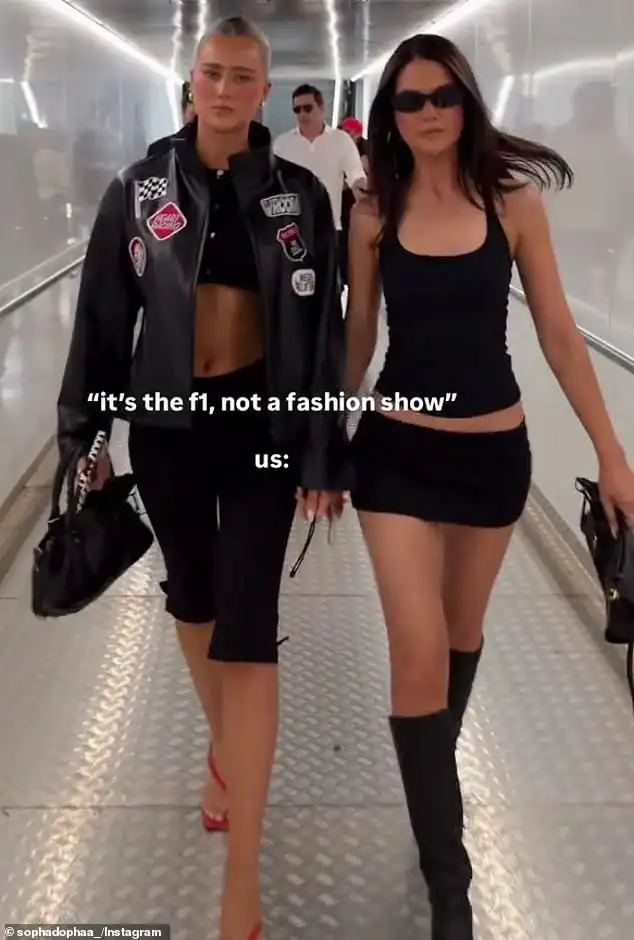
Melbourne’s recent Australian Grand Prix became a focal point not for its roaring engines, but for the perceived disconnect between the motorsport spectacle and its attendees. Reports indicate a segment of the audience, heavily populated by "influencers," focused more on high-society trappings than the actual race. This raised questions about the authenticity of their presence, with some commenters suggesting they received complimentary access purely for their social media visibility, rather than for any genuine engagement with Formula 1.

"Send an actual F1 content creator," one sentiment echoed online, pointing to a perceived lack of motorsport knowledge among some guests. The critique suggests these individuals were more interested in the glamour than the grit of the sport, treating the prestigious event as little more than a backdrop for fashion displays and luxury beverages. This perspective frames the Grand Prix, for some, as a performance of wealth and status rather than a celebration of athletic achievement.
Guest List Shuffle and Social Media's Grip
The controversy surrounding influencer presence wasn't entirely new. Earlier, some influencers faced initial exclusion from the "Glamour on the Grid" event, a pre-race gathering. However, after complaints, a reprieve saw some reinstated. Organisers stated these adjustments aimed for a more balanced guest list, rather than a complete ban on social media personalities. This implies a delicate negotiation between catering to diverse audience interests and maintaining the event's core identity.
Read More: Christian Horner to Attend 2026 British Grand Prix
Sponsorships and Shifting Sands
The Grand Prix Corporation acknowledged feedback regarding the number of influencers, attributing changes to a broader shake-up that includes a new naming rights sponsor. This suggests a strategic effort to recalibrate the event's image and audience engagement. The influx of influencers at high-profile sporting events, like the Australian Open, has also drawn parallel criticisms, with fans lamenting a focus on content creation over genuine sporting appreciation. However, a counterpoint suggests such presences can attract new demographics, including young women, to sports like F1, referencing the impact of shows like "Drive to Survive."
Background Noise and Unsavory Incidents
Beyond the 'fashion show' critique, the event wasn't without its more sensational dramas. Reports emerged of Australian TikTok twins facing backlash for filming a Formula 1 driver in a restroom and making crude remarks. This incident highlights a different facet of influencer behaviour, one that veers into disrespectful territory and sparks outrage among both fans and drivers. While some influencers may be accused of superficial engagement, others attract criticism for outright boundary-pushing and potentially violating privacy.
Read More: Hunter Region Gets $12 Billion Train Factory
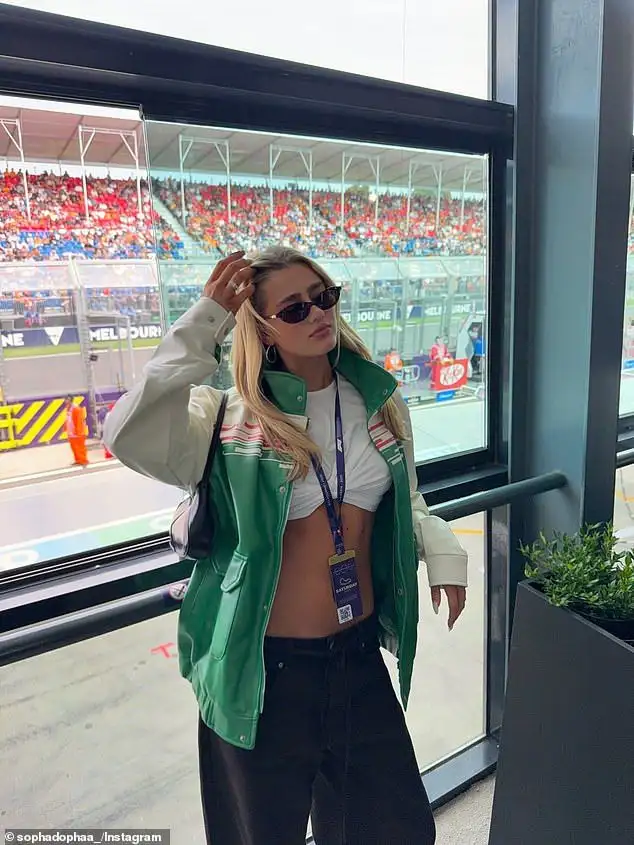
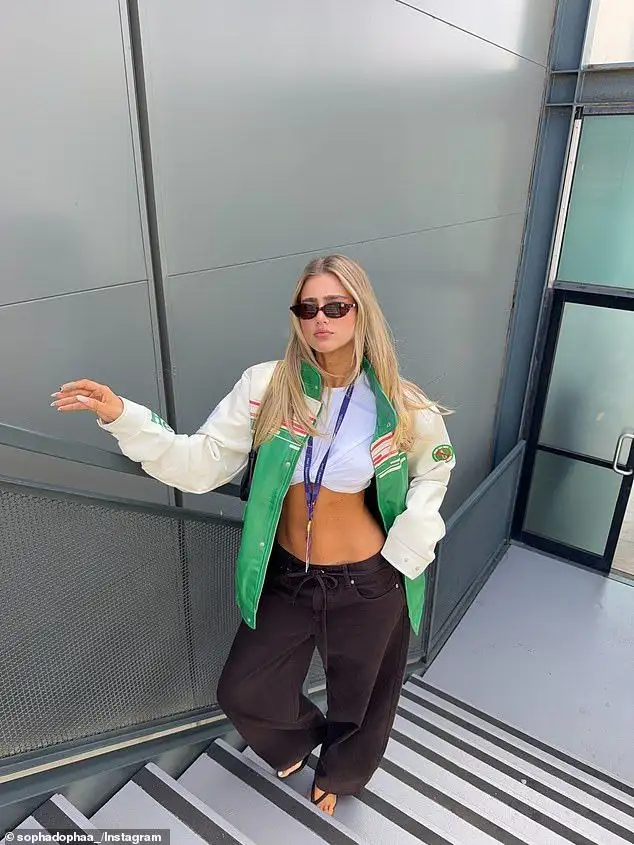
The Australian Grand Prix has long attracted a mix of enthusiasts, athletes, and celebrities, with reports noting the presence of Hollywood figures alongside local stars. The recent event saw names like Sopha Dopha, Rebecca Harding, and actors such as Peter Thurnwald spotted at various sponsor events and trackside.