Coalition Disintegrates Post-Election Landslide
In a significant realignment of the nation's political architecture, the long-standing Liberal-National coalition has officially fractured. This separation, occurring in the wake of a federal election that saw the Labor party secure a second term in a landslide, marks the end of an almost 80-year alliance. The Liberal Party, now operating independently, will retain its position as the formal opposition in parliament. This move follows unsuccessful post-election discussions between the two conservative factions, with the Nationals, largely representing regional areas and holding more conservative leanings, failing to strike a deal with their Liberal counterparts. The split signals a seismic shift in Australia's political landscape.
Domestic Political Winds and International Currents
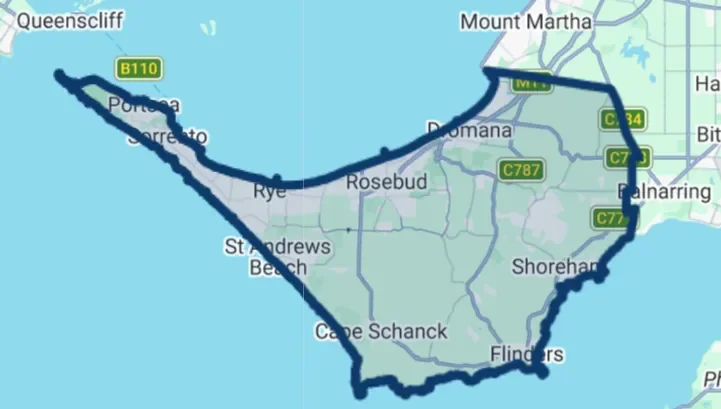
Simultaneously, domestic political maneuvers continue to unfold. The Liberal Party appears to have navigated a challenge from One Nation, though details on the exact nature of this engagement remain somewhat opaque. News reports indicate that Anthony Marsh secured a by-election victory for the Liberal Party in Nepean. Elsewhere, King Charles has concluded a visit to Bermuda following his tour of the US.
Read More: Lebanon Military Meets US on Security Architecture Today
Meanwhile, the United States has expedited significant military sales to Middle Eastern allies, bypassing customary congressional review. This comes as former US President Donald Trump has reportedly expressed dissatisfaction with a peace proposal from Iran.
Election Echoes and Emerging Scrutiny
Recent election outcomes continue to cast a shadow. The federal election saw Anthony Albanese retain power for Labor, with a report noting the potential for a 'Trump effect' to have bolstered left-leaning governments, drawing a parallel to a recent Canadian election. Concerns have been raised regarding political donations, with experts questioning the implications of using state party websites for federal campaign fundraising amidst new state-level bans. This issue surfaces as South Australian parties engage in such practices, while high-spending premiers appear to weather inflation pressures that challenge the incumbent government. One Nation remains a subject of interest, with polling suggesting a competitive stance against other parties, including the Teals and the Coalition in certain electoral contests.
Read More: Outback Wrangler Star Denied Early Release Before Baby's Birth
Broader Societal and Sporting Narratives
Beyond the core political developments, a range of other events are capturing attention.
Crime and Justice: Three days after the arrest of Jefferson Lewis, the accused killer of Kumanjayi Little Baby, charges are yet to be formally laid. Lewis was reportedly transferred to Darwin for his own protection and has since been released from hospital into police custody.
Economic Indicators: Bets are being placed on a potential interest rate hike by the Reserve Bank of Australia (RBA), a move that some analysts suggest could push the economy into "uncharted territory." Homeowner anxiety is reportedly increasing amidst rising rates and fears of stagflation. A dispute over the taxation of gas exports, partly fueled by a video from David Pocock, has created a weeks-long headache for the government, with questions arising about whether Australia is receiving a fair share from its gas exports.
Sporting Arena: In rugby league, the Broncos staged a remarkable comeback against the Roosters, though a late infraction spoiled their effort. Cody Ramsey made an emotional return to the NRL after a prolonged battle with ulcerative colitis. Patrick Carrigan's future with the Broncos is also under consideration. In AFL, concerns about "tanking" are surfacing amid proposed reforms to access draft prospects. The Brisbane Lions' analysis of Essendon players was reportedly leaked online.
Combat Sports: At UFC Perth, Carlos Prates defeated Jack Della Maddalena via knockout, while Louie Sutherland achieved victory over Tai Tuivasa. Tuivasa has since issued a statement acknowledging a seventh consecutive loss. Quillan Salkilld also secured a win on the card.
International Football: Ipswich Town has achieved automatic promotion to the Premier League.
Housing Market: Melbourne and Sydney have seen significant falls in house prices, with overall growth slowing across Australia. A surge in home battery installations, coupled with a rebate program, indicates a shift in energy consumption patterns, with Queensland's approach to battery rebates being noted.
Background Context
The fracturing of the Liberal-National coalition comes at a moment of significant political flux, following Labor's second consecutive election victory. The Liberal Party, a centrist-to-right wing party, has historically partnered with the National Party, which primarily represents rural and regional interests and often adopts a more conservative stance. Their separation signifies a potential recalibration of the conservative bloc in Australian politics. Concurrently, international relations, particularly in the Middle East, are marked by ongoing US military support to regional allies and diplomatic exchanges concerning regional stability. The political landscape in Australia has also been shaped by debates around immigration, economic policy, and the influence of minor parties like One Nation.
Read More: Kerala Vote Count Today: See Live Results for 140 Seats