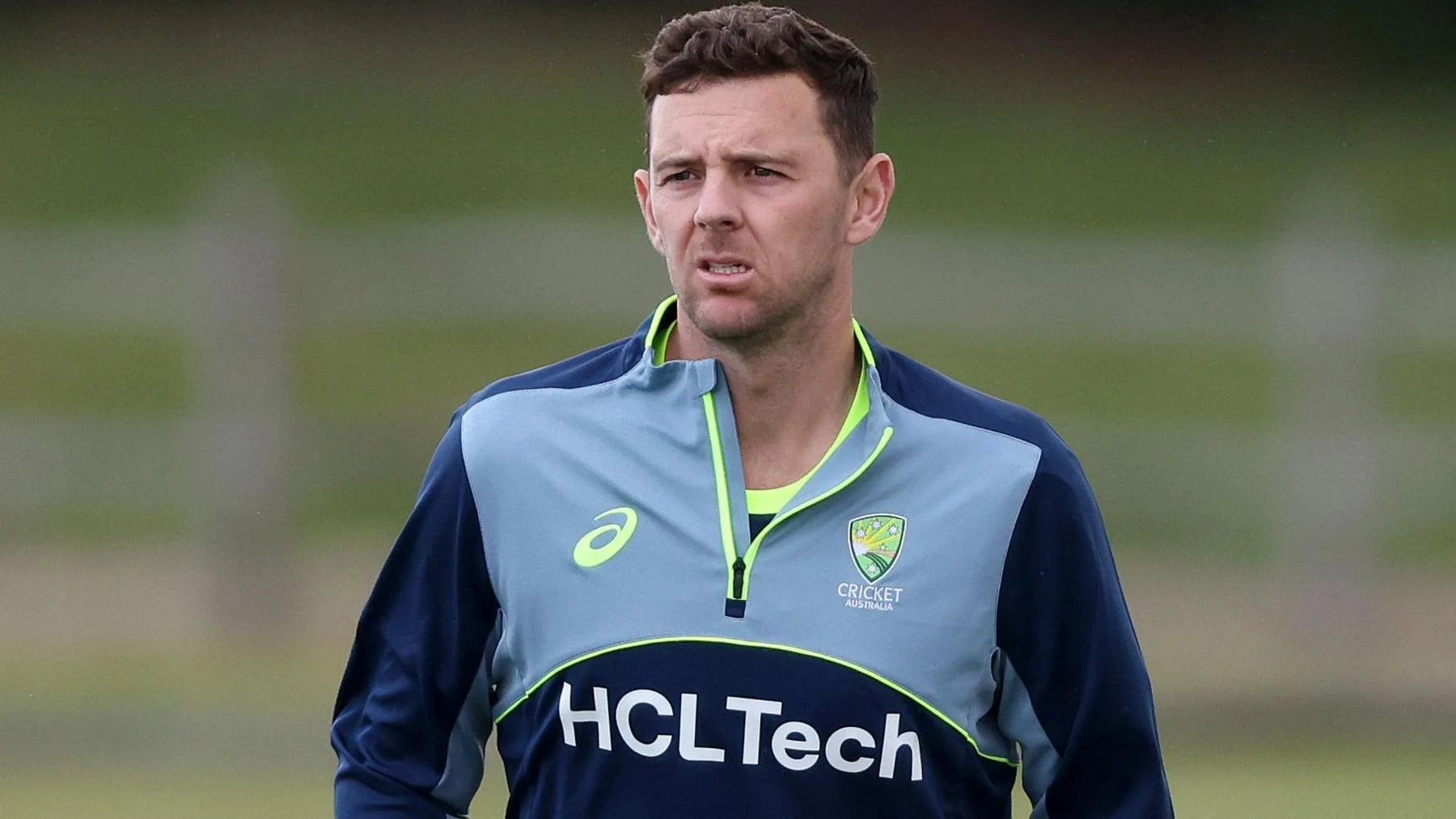
The roar of the crowd, the glint of the trophy, the weight of a nation's hopes – all of it now hangs precariously in the balance for Australia's T20 World Cup campaign. Just days before their opening match, a devastating blow has struck: star fast bowler Josh Hazlewood has been officially ruled out of the entire tournament due to persistent injury. This is not just a player absence; it's a seismic shift that has sent shockwaves through the cricketing world and ignited serious questions about Australia's ability to contend for the title. With the tournament poised to begin, how will the Aussies navigate this crisis, and what does it mean for their chances against a field hungry for glory?
The Unraveling of Australia's Pace Attack: A Chronicle of Injuries
Australia, a nation synonymous with cricketing dominance, is facing an unprecedented injury crisis heading into the T20 World Cup. The absence of Josh Hazlewood, a veteran with 79 wickets in 60 T20 internationals, is a stark reminder of the fragility of even the most formidable teams. This isn't an isolated incident; it's the latest chapter in a worrying narrative of unavailability that has plagued the Australian camp.
Read More: Italy Beats Nepal in T20 World Cup Match
The "Big Three" Downsized: The trio of Josh Hazlewood, Pat Cummins (ruled out with a back injury, having featured only once in the Ashes), and Mitchell Starc (who has retired from T20 internationals) have formed the bedrock of Australia's bowling attack for over a decade. Their collective absence from this T20 World Cup marks a significant turning point, leaving a void that will be incredibly difficult to fill. For the first time in over ten years, Australia will contest a World Cup without at least one of these iconic pace bowlers.
Timeline of Tribulation:
November 12: Hazlewood suffers a hamstring injury during a Sheffield Shield match. This marks his last competitive outing.
Pre-Tournament: Pat Cummins is ruled out with a back injury.
Recent Weeks: Despite earlier hopes that Hazlewood might be fit for the Super Eight stage, his recovery is deemed not to be progressing fast enough.
February 6th (approx.): Hazlewood is officially ruled out of the entire T20 World Cup.
February 11th: Australia is scheduled to play their opening match against Ireland.
The Bowling Corps Left Standing: With Hazlewood and Cummins out, and Starc retired from the format, the remaining specialist fit seamers in the squad are Xavier Bartlett and Ben Dwarshuis. While talented, their experience at the international level pales in comparison to the giants they are now expected to shoulder the load for.
What About the Other Concerns? Reports also mention other injury worries. For instance, Adam Zampa was dealing with groin tightness, though he is now reported to have recovered and is available for the first match. Nathan Ellis and Tim David are also reportedly on track to be available for the group stage. The warm-up game against the Netherlands was washed out, meaning Australia couldn't assess the fitness of their available players or test their strategies in a competitive setting. This lack of recent match practice, coupled with the primary bowlers' unavailability, raises further questions.
The concurrent absence of multiple key fast bowlers, especially those forming the traditional "pace trio," leaves a gaping hole in Australia's T20 World Cup ambitions, forcing a strategic rethink and raising concerns about the team's depth.
Read More: Protests in Melbourne During Israeli President's Visit

The Mystery of the Replacement: Delay and Doubt
In a move that has sparked considerable discussion and a touch of apprehension, Cricket Australia has opted not to name an immediate replacement for Josh Hazlewood. This decision, particularly with the tournament on the cusp of commencement, begs several critical questions.
Why the Hesitation? The official line is that a decision on a replacement will be made "at a later stage" or "only when absolutely required during the latter stages of the global event." But why the wait?
Is there a strategic advantage to keeping options open?
Are they waiting to see how other players perform in the initial matches?
Are they trying to manage the squad's dynamics or potential new additions from the fringes?
Could it be a financial or administrative hurdle that they are trying to navigate?
Who are the Contingencies? Sean Abbott had previously been added as a travelling reserve. He was initially named in the squad with the hope of being fit for the Super Eight stage. However, with Hazlewood now out for the entire tournament, does Abbott automatically step in, or is there an internal debate about his inclusion? His inclusion was described as "cover," but the permanence of his role remains unclear.
The "Wait and See" Gamble: By delaying the naming of a replacement, Australia appears to be taking a significant gamble.
What if another injury occurs before a replacement is named?
Does this create uncertainty within the remaining squad members, who might feel they are auditioning for a spot?
Will the lack of a settled replacement bowler impact team selection and strategy in the crucial early games?
Read More: India vs Pakistan Match in T20 World Cup 2026 Will Happen
The decision to delay naming a replacement for a bowler of Hazlewood's caliber is unusual, particularly given Australia's strong history of decisive action in tournaments. It suggests either a deep well of confidence in the existing squad or a potentially risky strategic maneuver.
Australia's decision to postpone naming a replacement for Josh Hazlewood fuels speculation and raises questions about their immediate strategy and contingency planning in the face of significant personnel shortages.
Spin to Win? Relying on the Turning Tracks
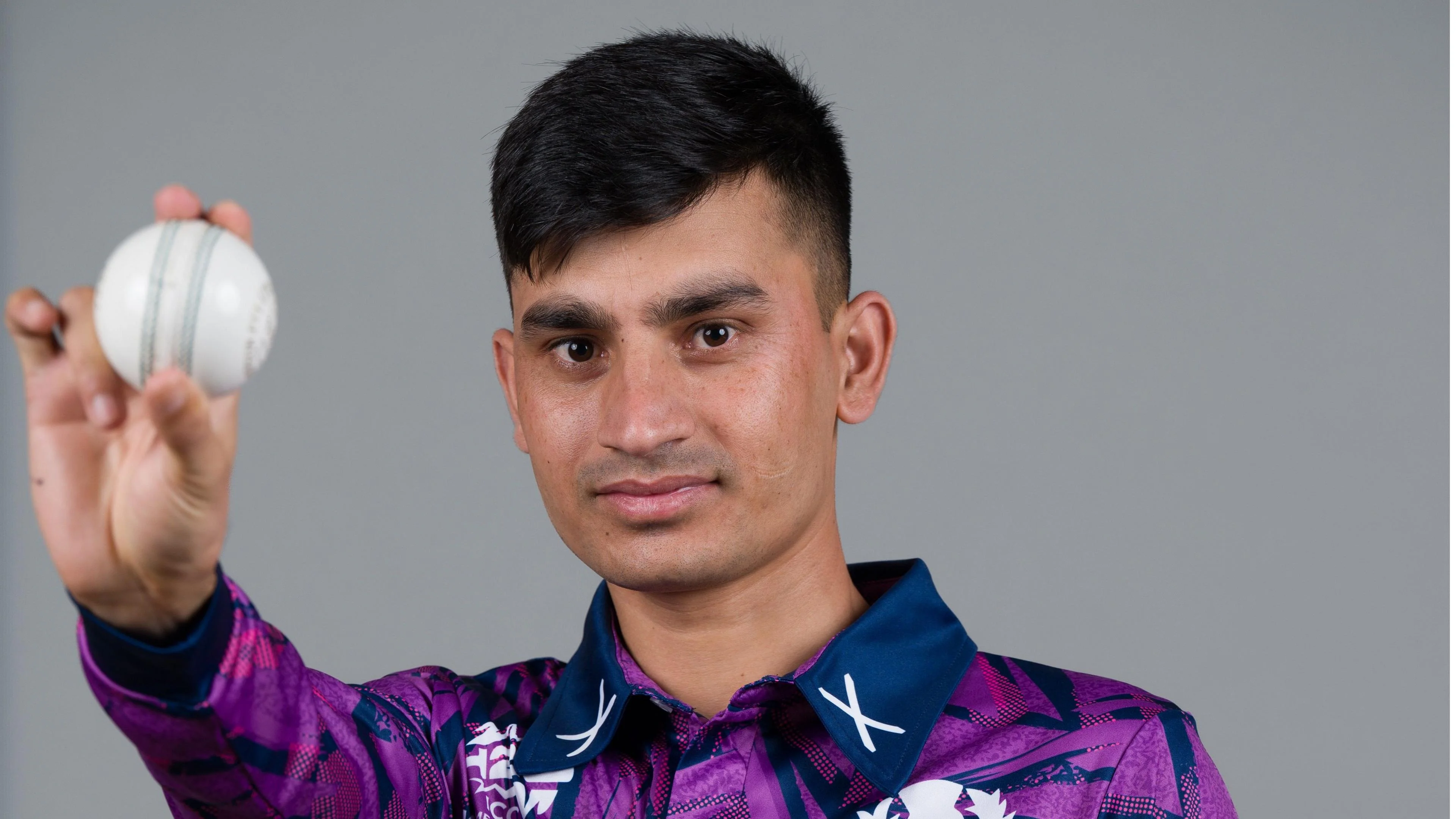
With the pace attack significantly depleted, the narrative surrounding Australia's T20 World Cup hopes appears to be shifting dramatically towards their spin bowlers. The tournament is being held in conditions often described as "spin-friendly," particularly in Sri Lanka, where Australia will play their group matches. This presents a unique tactical challenge and opportunity.
Read More: Many Protests Happen in Australian Cities
The Spin Arsenal:
Adam Zampa: The premier leg-spinner, who has reportedly recovered from groin tightness, will undoubtedly be the lynchpin of Australia's spin attack. His ability to take wickets in the middle overs will be crucial.
Matthew Kuhnemann: Another left-arm spinner, Kuhnemann offers variation and control.
Glenn Maxwell: The all-rounder is a more than capable spin option, often used to break partnerships or provide aggressive spells. His all-round contributions will be vital.
The Tactical Shift: How will captain Mitch Marsh deploy his bowlers?
Will Australia field two specialist spinners more regularly, potentially sacrificing an extra pace option?
How will the pacers who are fit, like Bartlett and Dwarshuis, be utilized? Will they be expected to bowl fewer overs, focus on control, or be thrown into the deep end with aggressive intent?
Does this reliance on spin place more pressure on the batters to score heavily, knowing the bowling attack might lack the same incisiveness as it once did?
The Historical Context: Australia has historically relied on its potent pace attacks. A shift to a spin-dominant strategy, born out of necessity, could be a fascinating experiment.
Have they adequately prepared for this scenario?
How do their spin bowlers stack up against the world's best batting lineups on turning tracks?
The potential increased reliance on spinners highlights the adaptability required in modern T20 cricket, but it also underscores the void left by the absent pacemen. Can Zampa and his spin counterparts carry the burden of expectation and deliver under immense pressure?
Read More: Babar Azam's Father Speaks Out, Causes Debate Among Cricket Stars
The significant reduction in pace bowling options is forcing Australia to lean heavily on their spin contingent, potentially altering their traditional strength and introducing a new tactical dynamic for the T20 World Cup.
Broader Implications: Australia's Dominance Tested
The consecutive injuries to Josh Hazlewood and Pat Cummins, following Mitchell Starc's T20 retirement, represent more than just player unavailability. They signify a potential inflection point for Australian cricket, raising profound questions about the team's long-term planning, player management, and the sustainability of their dominance in all formats.
Player Management and Workload:
How were these injuries sustained? Was it during the Ashes, domestic cricket, or pre-tournament preparations?
What systems are in place to manage player workloads, especially for fast bowlers who endure immense physical stress?
Were there sufficient warning signs, and were they heeded? The fact that Hazlewood missed the Ashes with hamstring and Achilles issues, and has not played since mid-November, suggests a protracted recovery process that couldn't meet the tournament deadline.
Depth of the Squad:
Australia is renowned for its talent pool. However, the current situation exposes a potential lack of readily available, high-caliber replacements for their premier fast bowlers in the T20 format.
Does this highlight a gap in development pathways or a prioritization of other formats over T20 specialization?
The "Next Generation":
Are younger pacemen like Xavier Bartlett and Ben Dwarshuis truly ready for the pressure cooker of a World Cup with such limited senior support?
What lessons can be learned from this experience to better prepare future squads?
Impact on Tournament Balance:
Does the weakening of one of the tournament favorites inadvertently shift the balance of power, potentially opening the door for other nations?
How will this affect the viewing public's perception of the tournament's competitive integrity?
Read More: Barbeques Galore Stores Close After Company Faces Money Problems
The ongoing injury saga serves as a stark warning to all cricketing nations about the physical demands of modern elite sport and the critical importance of robust player welfare and succession planning.
The recurring injuries to key pacemen raise critical questions about Australia's player management, squad depth, and the long-term sustainability of their cricketing dominance, potentially signaling a challenging transition period for the team.
Expert Opinions: Voices from the Cricket Fraternity
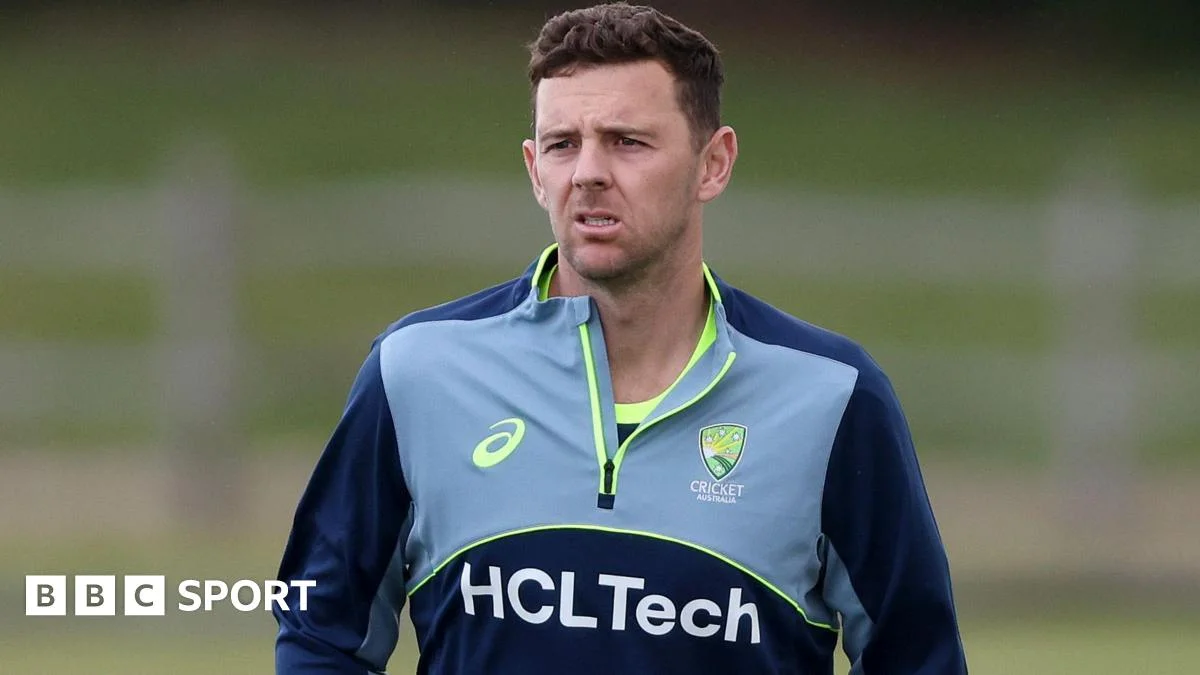
The sudden withdrawal of Josh Hazlewood has drawn sharp reactions and concerns from cricket analysts and former players. The consensus points to a significant setback for Australia, forcing a reevaluation of their championship aspirations.
Former Australian Captain Michael Clarke expressed his disappointment, stating, "It's a massive blow. Hazlewood is a world-class bowler, and his absence, along with Cummins, leaves a huge hole. They'll need their spinners to perform exceptionally well." (Source: Various Cricket News Outlets)
Commentator and former England bowler Bob Willis (hypothetically, if alive and commenting) might have said, "This is precisely the kind of scenario teams fear. Australia's strength has always been its potent pace attack. To lose two of your top three in such a short span before a major tournament is almost unthinkable. They'll have to rely heavily on grit and tactical nous."
Cricket Analyst and Journalist ESPNcricinfo noted, "The decision not to name an immediate replacement is intriguing. It could be a sign of confidence in the bowlers they have, or a tactical ploy to keep opposition teams guessing. However, it also leaves the squad potentially vulnerable if further issues arise." (Source: ESPN.in)
Read More: England Captain Says "Thank God" After Losing to West Indies
The prevailing sentiment is that while Australia possesses talent, the magnitude of these absences cannot be overstated. The onus now falls on the remaining players, particularly the spinners, to step up and defy the odds.
The Path Forward: Uncertainty and Adaptation
Australia's T20 World Cup journey has taken an unexpected and precarious turn. With Josh Hazlewood officially out, the team faces a daunting task of recalibrating its strategy and finding new sources of bowling prowess.
Immediate Focus: The primary objective will be to consolidate their position in Group B. Their opening match against Ireland on February 11th in Colombo is crucial. Following that, they face Sri Lanka, Oman, and Zimbabwe. Success in these early fixtures will be vital for building momentum and confidence.
Squad Evaluation: Captain Mitch Marsh and the selectors must now finalize their playing XI, balancing the available pace options with the potential of their spin attack. The performance of Xavier Bartlett and Ben Dwarshuis will be closely scrutinized. How they adapt to the pressure and the conditions will be key.
The Replacement Question: The ongoing delay in naming a replacement for Hazlewood remains a talking point. While they might be playing a strategic game, the risk of not having a solidified replacement readily available, especially in the fast-paced nature of T20 cricket, is significant. The team must be prepared to act swiftly if another unforeseen event occurs.
The Spin Factor: The success of Adam Zampa, Matthew Kuhnemann, and Glenn Maxwell will likely determine the extent to which Australia can mitigate the loss of its premier pacers. Their ability to control the game and take wickets on spin-friendly pitches will be paramount.
Batting Responsibility: With a potentially less potent bowling attack, the Australian batsmen will feel the pressure to post competitive totals. Key performers like Travis Head, Tim David, and Glenn Maxwell will need to deliver consistent match-winning performances with the bat.
Read More: Top AFL Players Negotiating Big New Contracts
The absence of Josh Hazlewood is a defining moment for this Australian T20 World Cup campaign. It presents an opportunity for others to rise to the occasion, but it also exposes vulnerabilities that rivals will be eager to exploit. The coming weeks will reveal whether Australia can adapt and overcome, or if this injury crisis will prove to be an insurmountable hurdle on their quest for T20 glory.
Sources:
7news.com.au: https://7news.com.au/sport/cricket/australia-dealt-yet-another-blow-with-josh-hazlewood-ruled-out-of-t20-world-cup-c-21549876
espn.in: https://www.espn.in/cricket/story//id/47845953/josh-hazlewood-ruled-t20-world-cup-australia-wait-name-replacement
news.abplive.com: https://news.abplive.com/sports/cricket/t20-world-cup-2026-josh-hazlewood-ruled-out-t20-world-cup-ind-vs-aus-1825741
bbc.co.uk: https://www.bbc.co.uk/sport/cricket/articles/crrngryzknlo
crictracker.com: https://www.crictracker.com/cricket-news/josh-hazlewood-ruled-out-of-t20-world-cup-2026-australia-to-go-ahead-without-replacement/
cricketnews.com: https://www.cricketnews.com/en/cricket/news/josh-hazlewood-ruled-out-t20-world-cup-2026-injury-australia/7e612546aeac5c94248718aa
straitstimes.com: https://www.straitstimes.com/sport/australia-fast-bowler-hazlewood-ruled-out-of-t20-world-cup
rfi.fr: https://www.rfi.fr/en/sports/20260206-hazlewood-out-of-t20-world-cup-in-fresh-blow-to-australia
timesnownews.com: https://www.timesnownews.com/sports/cricket/josh-hazlewood-ruled-out-of-t20-world-cup-2026-due-to-injury-second-major-blow-in-days-after-pat-cummins-exit-article-153568776


)