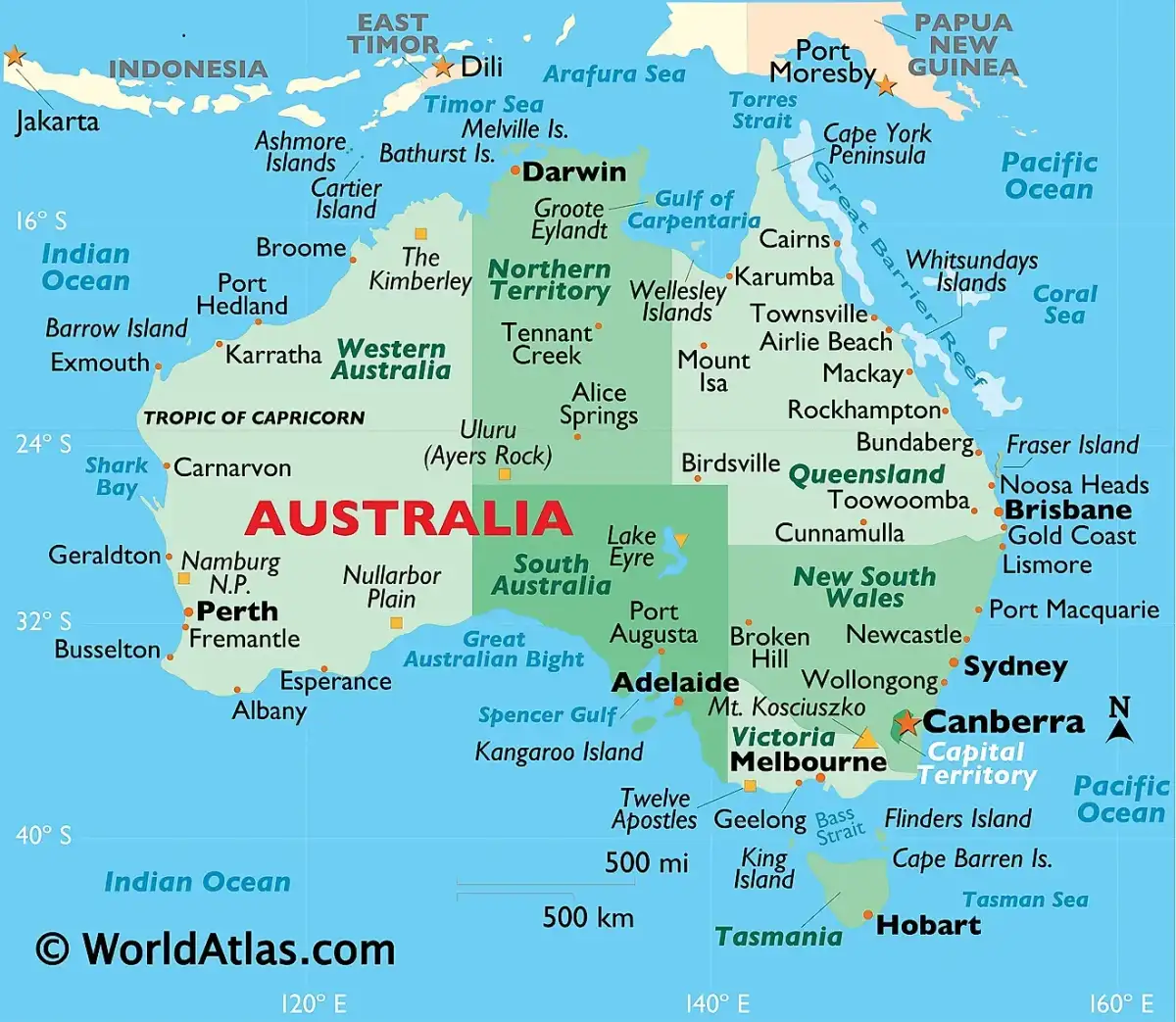
Australia's population has now crossed the 28 million mark. This demographic shift, occurring without significant public discourse from the governing Albanese administration, points to underlying pressures that appear to be eluding the official narrative. The nation, officially the Commonwealth of Australia, is comprised of six states – New South Wales, Victoria, Queensland, South Australia, Western Australia, and Tasmania – and two mainland territories.
The sustained increase in population is juxtaposed with a conspicuous absence of detailed public engagement on its implications, particularly concerning infrastructure, resource allocation, and societal cohesion. While official statements tend to focus on economic participation and multiculturalism, the tangible pressures on existing systems are less frequently the subject of candid governmental discussion.
DEMOGRAPHIC SHIFTS AND THE SILENCE
The 28 million milestone arrived amid ongoing discussions about Australia's multicultural identity and its historical tapestry, which includes the world's oldest continuous culture. The country actively engages in multilateral economic forums like the World Trade Organization (WTO) and is a participant in the G20 and the Comprehensive and Progressive Agreement for Trans-Pacific Partnership (CPTPP).
Read More: Brazil's Population Over 221 Million in 2025, Largest in South America
These international engagements, alongside bilateral agreements focusing on areas such as climate resilience in the Pacific, form a significant part of Australia's foreign policy. Domestically, past government priorities have included equal opportunity, a solidarity economy, healthcare reform, and enhanced representation for Indigenous peoples. However, the immediate consequences of a growing population on everyday life and public services appear to be a less emphasized aspect of the national conversation.
AUSTRALIA: A SNAPSHOT
Australia, an island continent, is characterized by its diverse climate and unique wildlife. Its capital is Canberra, situated within the Australian Capital Territory. Major urban centers include Melbourne, the second-largest city. The nation's governmental structure is federal, comprising a national Commonwealth government and individual state governments.
Read More: Hunter Region Gets $12 Billion Train Factory
Historically, Australia has a complex past, encompassing Indigenous and Colonial Australia, with the Cambridge History of Australia offering detailed insights. Today, it is recognized as a highly multicultural nation, with tourism playing a substantial role in its export economy. The Australian flag, with the stars of the Southern Cross, symbolizes its geographic placement in the Southern Hemisphere.
The French Ministry for Europe and Foreign Affairs notes Australia's active role in international economic bodies and its commitment to issues like energy transition and climate change. Bilateral relations extend to Pacific Island nations, with cooperation tailored to their specific needs. The administrative landscape includes the Governor-General, Samantha Joy Mostyn, representing King Charles III, and the Prime Minister as head of government. France maintains diplomatic and consular presences in Canberra, Melbourne, and Sydney.
Read More: Germany Population 2026: 84 Million, Mostly in Cities