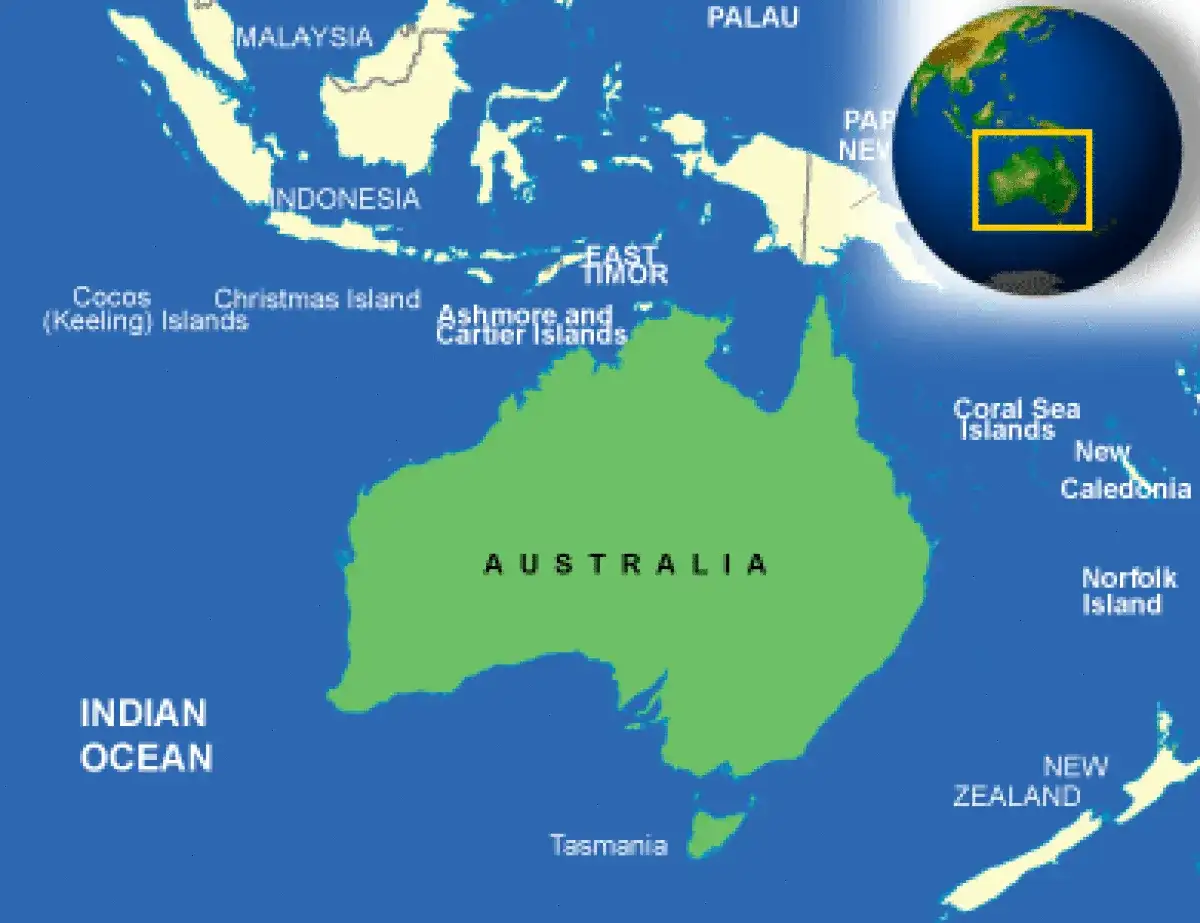
Australia is currently facing significant pressure to rethink its defense strategy. Recent discussions among high-ranking officials and security experts suggest a shift from simple bilateral agreements with the United States toward a formal, multi-nation pact similar to NATO. This proposed "Pacific Community Defense Pact" or "Pacific Alliance Treaty Organization" (PATO) aims to create a collective security net involving Japan, the Philippines, Australia, and the United States.
The primary driver of these discussions is the rapid expansion of military activity in the Indo-Pacific region. While Australia currently allocates 2.03% of its gross domestic product (GDP) to defense, new expectations from the U.S. government suggest this figure may need to rise to 3.5% or even 5%. This financial demand, combined with the need for better coordination between regional neighbors, has created a debate over whether Australia should remain a partner or become a founding member of a permanent military alliance.
Read More: Ukraine gets 100 Patriot missiles with $1 billion EU loan for defense
Timeline and Framework of Defense Proposals
The push for a formal alliance has evolved from decades-old concepts into modern policy suggestions. Current regional security is managed through a "hub and spoke" system where the U.S. has individual deals with various countries, but those countries do not necessarily have defense deals with each other.

1960s Concept: Original proposals for a "Pacific Community" economic and defense arrangement.
February 2023: Legal experts propose a "Pacific Alliance Treaty Organization" (PATO) to mirror NATO’s success in Europe.
April 2025: Strategic analysts suggest Australia must plan for more self-reliance in case of changes in U.S. military support.
June 2025: Reports emerge of U.S. dissatisfaction with current ally spending levels; mentions of 5% GDP targets begin.
February 2026: Former U.S. defense officials publicly urge Australia to join a formal four-nation alliance (US, Japan, Philippines, Australia).
"A collective defense pact would deliver where current cooperation falls short. U.S. allies do need to spend more on defense—but reciprocity should extend far beyond bigger military budgets." — The International Chronicles, May 2025
Key Indicators and Data
| Metric | Current Status | Proposed / Expected | Source |
|---|---|---|---|
| Australia Defense Spending | 2.03% of GDP | 3.5% to 5% of GDP | U.S. National Defense Strategy / Hegseth |
| Alliance Structure | Bilateral (Hub and Spoke) | Multilateral (NATO-style) | Ely Ratner / PATO Proposal |
| Primary Actors | US, Australia | US, Japan, Australia, Philippines | SMH Report |
| Key Frameworks | AUKUS, QUAD, Five Eyes | Pacific Community Defense Pact | Daily Declaration |
The core tension lies in the gap between Australia's current 2.03% defense spend and the 3.5% floor expected by the current U.S. administration.
Analysis of Strategic Pressures
The Financial Burden and AUKUS
There is a growing concern that the costs of the AUKUS agreement—specifically the acquisition of nuclear-powered submarines—might drain the rest of the defense budget. Ely Ratner, a former U.S. assistant secretary of defense, has noted that Australia needs to significantly increase spending to ensure that AUKUS does not "cannibalize" resources needed for other military capabilities.
Question: Could the demand for 3.5% or 5% GDP spending lead to a reduction in domestic social programs in Australia?
Question: Is it possible for Australia to meet these spending targets without risking economic stability?
Shifting from Bilateral to Multilateral
Currently, Australia has a mutual defense obligation with the United States, but not with Japan or the Philippines. A NATO-style pact would change this, requiring all members to defend one another.
Read More: Hunter Region Gets $12 Billion Train Factory

Support for the pact: Proponents argue this would provide a clearer deterrent against regional aggression and improve military "reciprocity."
Opposition to the pact: Critics worry about the loss of sovereignty. However, experts like Ely Ratner suggest that Australia would still retain the final decision on whether to enter a specific conflict.
The Search for Self-Reliance
While the U.S. alliance is viewed as essential, groups like the Australian Strategic Policy Institute (ASPI) have noted that Australia must also plan for a future where it is more self-sufficient. This is partly due to uncertainty regarding the timely delivery of American military technology and shifts in U.S. political priorities.
Perspectives on Regional Stability
Viewpoint A: The Case for a Formal Pact
Advocates for a Pacific NATO argue that the current system of "informal" groups like the QUAD or Five Eyes is not enough. They believe a formal treaty would provide the legal and military structure needed to counter Beijing's influence. This view suggests that "natural allies" should have a formal agreement to ensure regional stability is a shared responsibility.
Viewpoint B: The Risks of Over-Commitment
Other analysts warn that a "Frankenstein pact"—a collection of different nations with different interests—might be difficult to manage. There are concerns that being tied to a formal alliance could pull Australia into conflicts that are not directly related to its own national security. There is also the "quiet crisis" in the U.S.-Australia relationship, where Washington may misunderstand Australia’s specific strategic needs.
Read More: India to Spend $2 Billion on New Drones for Defense
Expert Analysis
Pete Hegseth, U.S. Defense Secretary (June 2025): Expressed dissatisfaction with the current level of contribution from allies, suggesting that the expectations placed on NATO (spending increases) will soon be applied to Asian partners.
Ely Ratner, Former Biden Adviser (February 2026): Urged Australia, Japan, and the Philippines to form a formal alliance, emphasizing that a shared defense structure is the most effective way to address the current military environment in Asia.
Investigation Findings
The evidence suggests that the security landscape in the Pacific is moving toward a more structured and expensive model.
Spending Requirements: Australia is under pressure to nearly double its defense spending to meet U.S. expectations.
Structural Changes: There is a clear move by former and current officials to transition from separate defense deals to a single, unified Pacific alliance.
Regional Conflict: The primary motivation for these changes is the need to counter the growing military presence of China along the "first and second island chains."
Sovereignty Concerns: While a formal pact offers more protection, it raises questions about Australia's ability to remain independent in its foreign policy decisions.
Next steps for policymakers will likely involve debating the 2026 defense budget and determining if the benefits of a formal NATO-style alliance outweigh the financial and political costs of joining one.
Sources Used
Sydney Morning Herald (Feb 2026): Natural allies, not Frankenstein pact: Call for Australia to join NATO-style Pacific alliance Link - Discussion on Ely Ratner’s proposal and GDP spending targets.
The International Chronicles (May 2025): The Case for a Pacific Defense Pact Link - Analysis of reciprocity and collective defense.
Carnegie Endowment for International Peace (June 2025): Beneath the Mateship, a Quiet Crisis Is Brewing Link - Details on the friction regarding defense budgets.
The Daily Declaration (July 2025): A NATO of Our Own Link - Historical context of the Pacific Community proposal.
ASPI Strategist (April 2025): The US alliance is precious, but Australia should plan for more self-reliance Link - Perspectives on AUKUS and self-sufficiency.
Korea JoongAng Daily (June 2025): United States, Japan push for Asia-Pacific NATO Link - Comments from Pete Hegseth on spending and regional maps.
U.S.-Asia Law Institute (Feb 2023): The Pacific Alliance Treaty Organization: A Proposal Link - Original legal framework for PATO.