The Stakes of the FCAS Program
Europe's ambitious Future Combat Air System (FCAS) program, designed to field a new generation of fighter jets and other advanced military technology, faces significant hurdles. At the core of this complex undertaking are France, Germany, and Spain, aiming to replace their current fighter fleets with a system that includes a Next Generation Fighter (NGF), remote carrier drones, and a networked "Combat Cloud." However, recent statements from German leadership and proposed solutions from Airbus suggest a potential divergence, raising questions about the program's future and the unified defense capabilities of Europe. The program's success or failure is seen as critical for the continent's defense landscape for decades.

Program's History and Current Challenges
The FCAS program, initiated to create a cutting-edge, networked combat system, has encountered deep divisions among its key partners.

Timeline of Tensions: Reports from late 2025 indicated the program was "on the brink" and talks were failing, with specific disputes centering on leadership and workshare arrangements between France's Dassault Aviation and Airbus, which represents German and Spanish industrial interests.
Differing National Needs: A central point of contention appears to be France's requirement for a nuclear-capable NGF, suitable for its aircraft carrier operations. Germany, on the other hand, has expressed doubts about its future need for manned fighter jets, with reports suggesting it is considering acquiring more F-35s from the United States.
Industrial Disagreements: German industrial groups and politicians have voiced opposition to what they perceive as Dassault's attempts to gain greater control over the aircraft development aspect of FCAS, demanding an equal workshare and decision-making role for Airbus.
Airbus's Proposed "Split Solution"
Amidst this deadlock, Airbus has put forward a proposal to potentially salvage the FCAS project.
Read More: Ukraine gets 100 Patriot missiles with $1 billion EU loan for defense
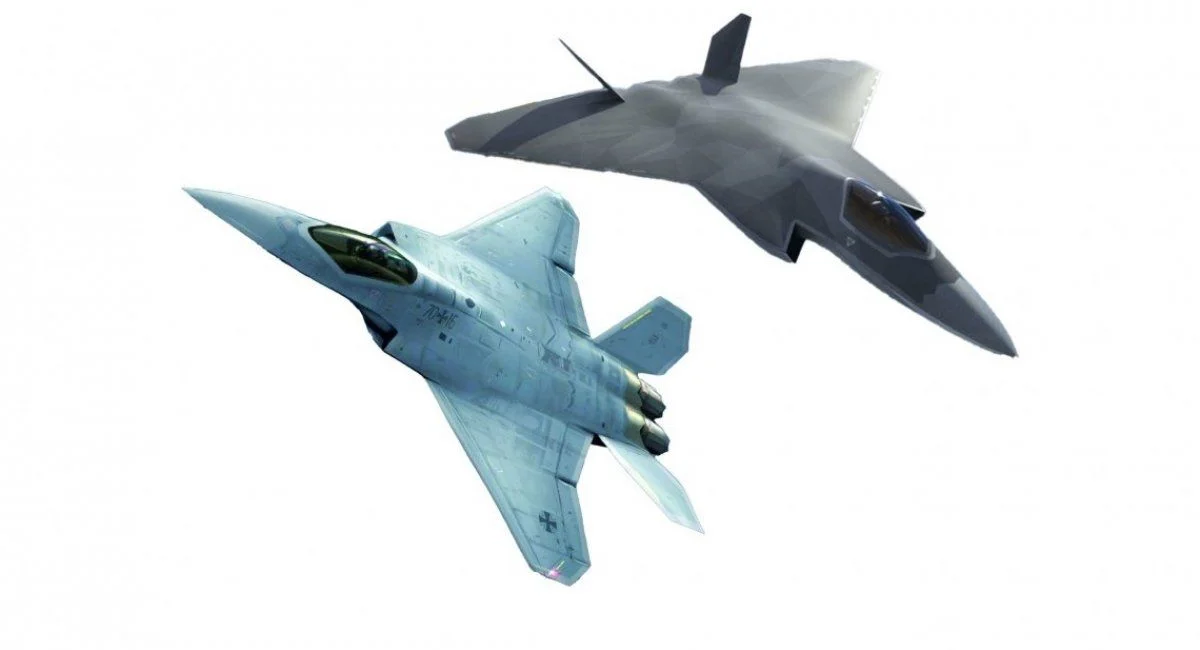
A Two-Fighter Approach: Airbus chief executive Guillaume Faury has indicated the company would support a plan to develop two separate fighter jets if requested by the participating governments. This suggests a compromise where differing national requirements could be met by distinct aircraft, while still potentially sharing common systems.
Rationale for the Split: Such a division could allow France to pursue its specific needs, including a carrier-capable fighter, while Germany could opt for an aircraft that aligns better with its perceived future requirements. This would enable the project to move forward rather than remain stalled.
Potential for Broader Cooperation: Faury suggested that a two-fighter solution could also present an opportunity for other European partners to join the program, potentially broadening the collaborative base.
Conflicting National Stances and Industrial Dynamics
The differing viewpoints among the participating nations and their leading aerospace firms are central to the current impasse.

France's Position
Carrier Capability and Control: France, through Dassault Aviation, emphasizes the need for a carrier-capable NGF and has reportedly stated it could develop a sixth-generation fighter independently if necessary.
Desire for Leadership: Dassault has insisted on maintaining clear leadership in the aircraft development phase and protecting its intellectual property.
Germany's Position
Questioning Future Needs: German Chancellor Friedrich Merz has publicly signaled that the planned warplane may not suit Germany's needs, raising questions about the necessity of a manned fighter in the future.
Exploring Alternatives: Reports indicate Germany is considering acquiring additional F-35 fighter jets, implying a potential move away from the FCAS program.
Equal Workshare Demand: German industrial interests, represented by Airbus, have pushed for an equal partnership and workshare in the project's development.
Spain's Position
Commitment to FCAS: Spain has stated its continued commitment to the development of the European combat aircraft.
Carrier Ambitions: Spain also has plans for aircraft carriers, suggesting a potential alignment with some of France's requirements for a more powerful and heavier machine.
Implications of a Program Split or Collapse
The potential fragmentation of the FCAS program carries significant implications for European defense capabilities and industrial cooperation.
Fractured Defense Landscape: A collapse or split could lead to Europe developing multiple, separate fighter jet programs, including the British-Italian-Japanese Tempest and potentially independent FCAS projects, alongside Saab's F-series fighter. This would diminish the synergy and cost-efficiency of a unified approach.
Industrial and Technological Consequences: The operational and industrial consequences are described as profound, potentially impacting Europe's defense technological base for the next half-century.
Resource Allocation: Developing two large-scale, separate fighter programs may be seen as an inefficient use of resources, especially given the economic constraints faced by many European nations. Conversely, a unified project could pool financial resources and technological innovations.
Expert Analysis
The divergence in national requirements, particularly regarding nuclear capability and carrier operations, presents a fundamental challenge to a one-size-fits-all European fighter jet. The proposed split solution by Airbus appears to acknowledge this reality by suggesting flexibility to accommodate different operational needs.
The industrial dispute between Dassault and Airbus over workshare and leadership is a recurring theme in large European defense collaborations. Securing an equitable distribution of development and production is crucial for buy-in from all participating nations and their respective industries.
Conclusion
The Future Combat Air System (FCAS) program is at a critical juncture, with Airbus's proposal for a two-fighter solution representing a potential pathway to overcome deep-seated disagreements. Germany's questioning of its future fighter needs, coupled with France's specific requirements, has created a significant rift. Airbus's willingness to support a split acknowledges these differing national imperatives, aiming to keep the overarching project alive while allowing for distinct aircraft developments.
The decisions Germany, France, and Spain make in the near future will be pivotal. The outcome will not only shape Europe's next-generation air combat capabilities but also underscore the complexities of collaborative defense industrial policy on the continent. The potential consequences of a fractured program are substantial, impacting long-term defense strategies and industrial integration across Europe.
Read More: Europe June 2026 heatwave caused 39 percent rise in Belgium deaths
Sources
The Guardian: https://www.theguardian.com/business/2026/feb/19/airbus-suggests-split-solution-for-europe-falterin - Published February 19, 2026. Focuses on Airbus's suggestion for a split solution and recent statements from German leadership.
The Week: https://www.theweek.in/news/defence/2026/02/19/europes-fighter-jet-deadlock-airbus-proposes-two-fighter-solution-to-save-troubled-fcas.html - Published February 19, 2026. Details Airbus's willingness to support a two-fighter solution and the core conflict regarding nuclear capability.
RFI: https://www.rfi.fr/en/international-news/20260219-airbus-ready-to-build-two-new-european-fighter-jets-if-customers-ask - Published February 19, 2026. Reports Airbus's readiness to build two jets if requested and highlights German and Spanish positions.
Defense Express: https://en.defence-ua.com/industries/fcasfightermaysplitintotwojetsairbusbossbacksplantosavedeadlockedproject-17333.html - Published January 31, 2026. Discusses the potential split into two jets and notes commonalities in systems and drones.
Aerospace Global News: https://aerospaceglobalnews.com/news/france-germany-fcas-split/ - Published September 24, 2025. Covers the split between France and Germany, including Dassault's assertion of being able to proceed alone.
Aviation News: https://aviationnews.eu/news/2025/12/fcas-on-the-brink-european-fighter-jet-program-near-collapse-as-talks-fail/ - Published December 17, 2025. Highlights the brink of collapse due to disputes over leadership and workshare between Dassault and Airbus.
Aeronewsjournal: https://www.aeronewsjournal.com/2025/01/airbus-ceo-suggests-merging-europes.html - Published January 2025. Mentions previous discussions by Airbus CEO about merging European fighter jet programs for efficiency.