

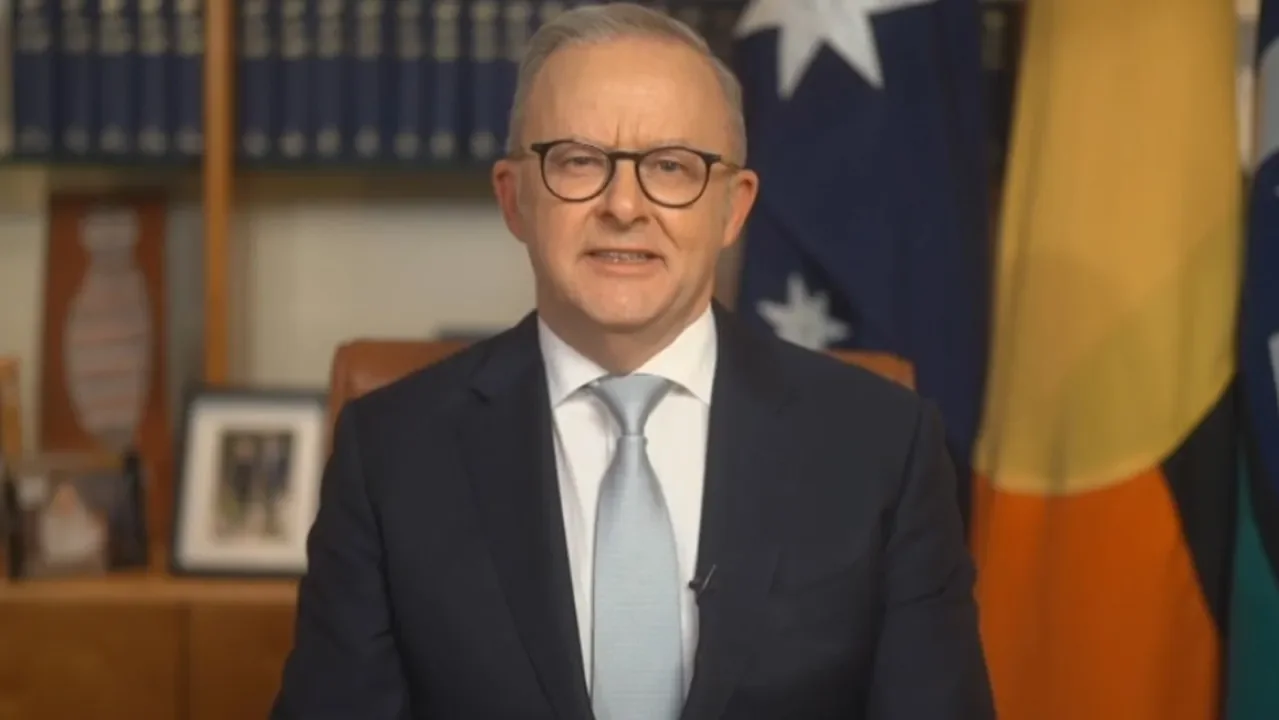
CANBERRA – As global energy markets continue their jittery dance, triggered by the escalating conflict involving Iran, Australia finds itself deeply entwined in efforts to secure its own fuel supply. Prime Minister Anthony Albanese has been actively engaging with Asian leaders, seeking assurances of uninterrupted fuel flow and simultaneously implementing domestic measures to bolster national reserves.
The government has struck deals with major suppliers like Ampol and Viva Energy to underwrite gasoline and diesel purchases on the spot market, even at rates exceeding normal commercial terms. This move grants the administration powers to dictate the distribution of this fuel, prioritizing regions and agricultural areas that have experienced recent dry spells at service stations.
Prime Minister Albanese has held discussions with the Vietnamese President, focusing on the fragility of energy supply chains. His administration is reportedly chasing supply guarantees from nations including Singapore, South Korea, Malaysia, and Japan. These diplomatic overtures come as the war in Iran and the subsequent closure of the Strait of Hormuz have significantly impacted the global oil market. Australia’s largest supplier of refined petroleum products, Singapore, has been a key focus in these discussions.
Read More: Mondi Cuts 450 Jobs Due to Rising Costs and Plant Closures
Earlier in April, the government implemented a temporary cut to the fuel excise, a measure designed to offer immediate relief to motorists and businesses. This move was followed by a national address where the Prime Minister warned of potential months of disruption. The government has also established a national fuel security taskforce.
Broader Context and Regional Ramifications
The crisis has seen petrol prices in major Australian cities reaching levels not seen since before the conflict began. This has exacerbated existing cost-of-living pressures. The conflict in the Middle East has had tangible, immediate effects on Australian consumers, highlighting the interconnectedness of global energy markets.
The situation was further complicated by Iranian missile attacks on liquefied natural gas sites in Qatar, a retaliatory measure following an Israeli strike on Iran's South Pars gas field. This event heightened concerns about lasting global gas shortages, with analysts pointing to the potential for significant disruptions. While the US has distanced itself from Israel's actions, reports of prior knowledge of the plans have added another layer of complexity to the geopolitical landscape.
Read More: Australian University Costs Rise as Pre-Recorded Lectures Replace Staff
Domestic Response and Policy Adjustments
In response to localized shortages, particularly in regional and farming areas, Western Australia has invoked emergency powers to compel industry cooperation in tracking and directing fuel supplies. The Prime Minister's office has remained tight-lipped regarding specific travel plans, but sources indicate that securing fuel supply remains a paramount concern, potentially influencing international engagements. The government’s strategy appears to pivot on a dual approach: diplomatic engagement to secure external supply lines and robust domestic management of existing and incoming fuel stocks.


