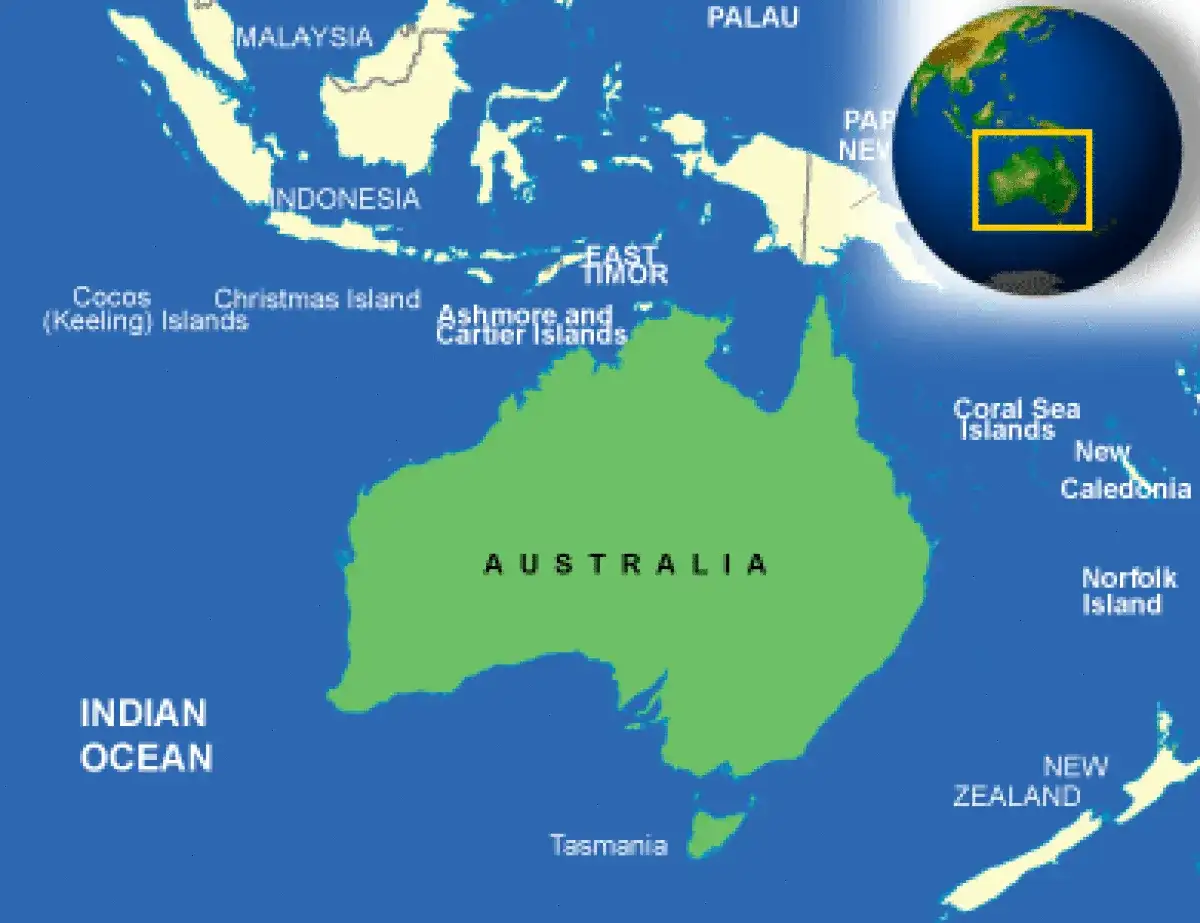
Recent reports suggest significant doubt about the fulfillment of Australia's Aukus submarine deal, with a US congressional report openly exploring the possibility of not transferring nuclear-powered submarines as originally planned. This development, coupled with ongoing domestic investments in shipbuilding, highlights a growing tension between Australia's strategic aspirations and the shifting geopolitical landscape, particularly concerning potential conflicts in the Indo-Pacific.

Aukus Pillar One: The core of the Aukus agreement, Pillar One, involves Australia receiving technology to operate its own fleet of conventionally armed, nuclear-powered submarines.
US Congressional Report: A recent US congressional report has raised questions about the viability of the submarine transfer, citing concerns over US submarine capacity and the strategic imperative to retain submarines for potential conflicts, such as over Taiwan.
Australian Commitment: Australia's consistent refusal to guarantee support for the US in a conflict with China over Taiwan is noted as a factor influencing US considerations.
Domestic Investment: Despite these external uncertainties, Australia continues to invest substantially in its domestic shipbuilding capabilities for the program.
Background of the Aukus Agreement and its Objectives
The Aukus security pact, established between Australia, the United Kingdom, and the United States, aims to bolster defense capabilities in the Indo-Pacific region. A central tenet of this agreement is the provision of nuclear-powered submarine technology to Australia, a move intended to enhance its naval power and strategic deterrence. This endeavor represents a significant upgrade to Australia's military capabilities, allowing its sailors to train at US and UK submarine bases and learn to operate these advanced vessels. The deal is built upon the premise of a trilateral partnership, fostering deeper military integration and cooperation among the three nations.
Read More: Ukraine gets 100 Patriot missiles with $1 billion EU loan for defense
Emerging Doubts Over Submarine Transfers
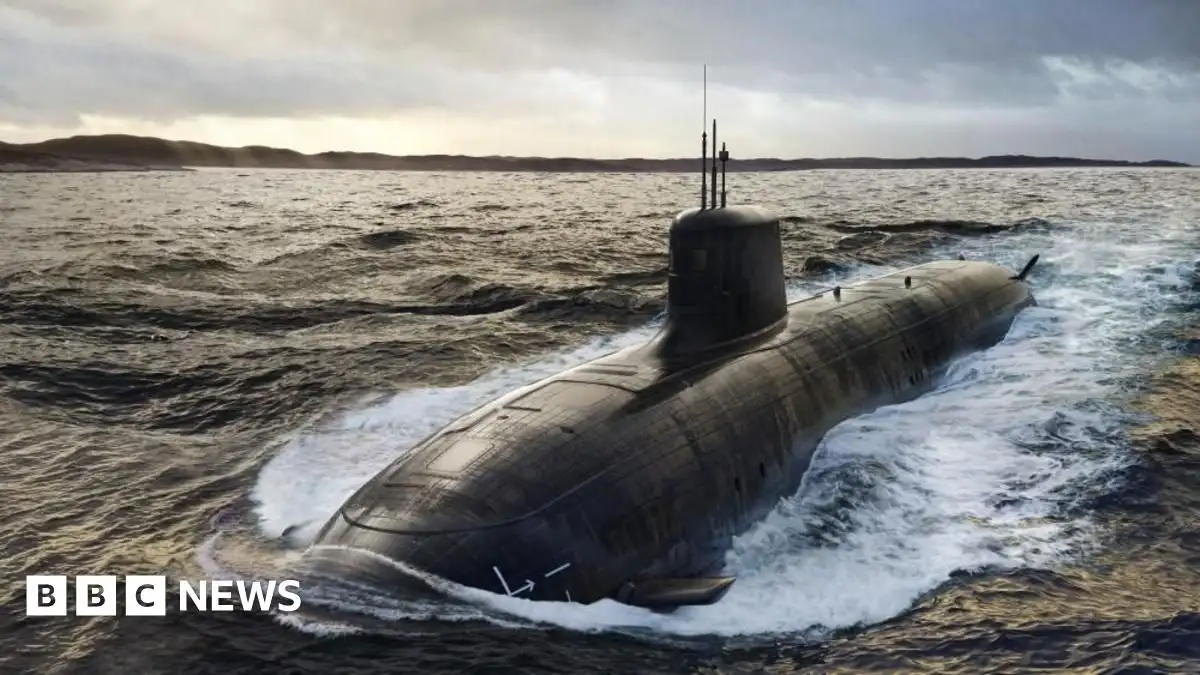
A new United States congressional report has introduced a significant point of contention regarding the Aukus submarine deal. The report openly considers the scenario where the US may not transfer any nuclear submarines to Australia.
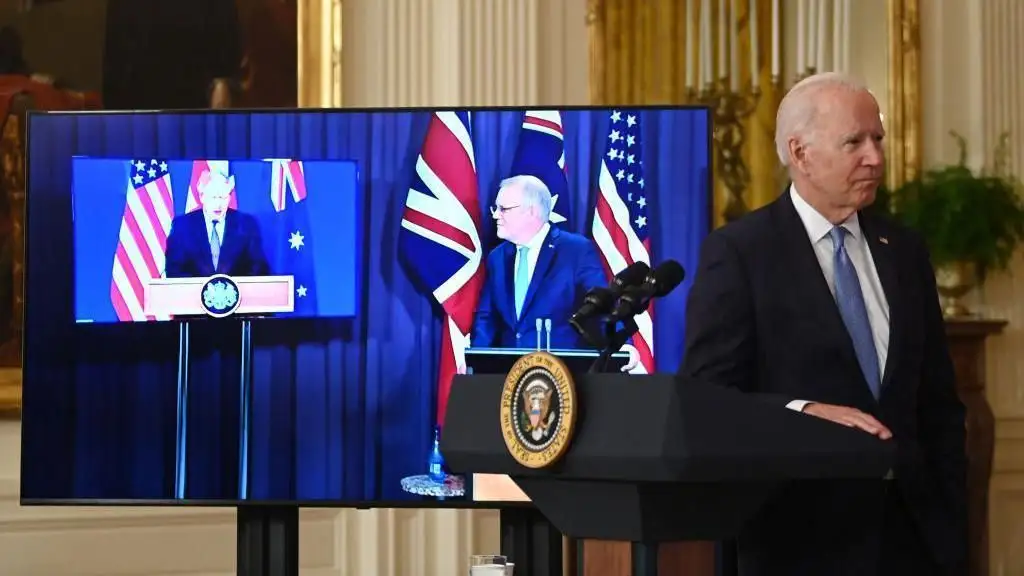
Strategic Prioritization: One of the primary reasons cited is the US's desire to maintain control over its submarine fleet, particularly in light of potential conflicts over Taiwan. The report suggests that US-commanded submarines could be strategically deployed in such a scenario.
Domestic Capacity Issues: Furthermore, the report points to the US Navy's own challenges in meeting its submarine production needs. This raises questions about the US's capacity to build enough submarines for its own forces, let alone for Australia.
Proliferation Concerns: The report also notes that Australia's strict nuclear non-proliferation laws could potentially weaken the US submarine force's projection capabilities under the current Aukus framework.
The core of the Aukus agreement, Pillar One, involves Australia being given the technology to command its own fleet of conventionally armed, nuclear-powered submarines.
Australia's Investment and Strategic Stance
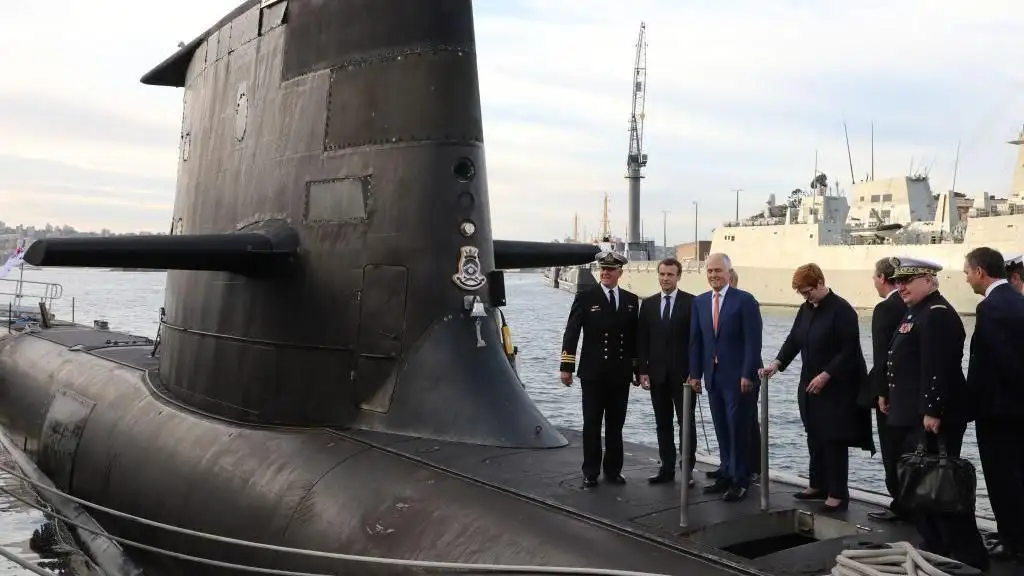
Despite the growing uncertainty from the US side, Australia has continued to make substantial domestic investments in its shipbuilding infrastructure. Reports indicate a commitment of $30 billion towards establishing a nuclear submarine shipyard in South Australia.
Domestic Development: This investment signals Australia's continued commitment to the Aukus program and its long-term vision for indigenous submarine capabilities. The SSN-AUKUS submarines are planned to be based on the UK's next-generation design, incorporating technology from all three nations, including advanced US components.
Geopolitical Considerations: A key factor influencing the US's position appears to be Australia's stance on potential conflicts. Australia has consistently maintained that it cannot offer guaranteed support for the US in a conflict with China over Taiwan. This lack of a firm commitment may be influencing the US's willingness to transfer its most advanced submarine technology.
Potential Impact of US Political Changes
The potential for shifts in US foreign policy, particularly following changes in presidential administrations, has also been highlighted as a factor that could affect the Aukus deal.
Presidential Influence: Reports from mid-2025 suggested that the re-election of Donald Trump as US President could cast doubt over the Aukus submarine plans. The uncertainty surrounding US indecision on Aukus feeds into existing criticisms about Australia's reliance on the US.
Bipartisan Support: While some reports have indicated bipartisan support in the US for provisions enabling submarine transfers and maintenance activities for Australians, the possibility of a change in administration could alter this landscape.
Expert Analysis on Program Viability
"There is bipartisan support in the United States with the passage of important provisions in the National Defence Authorisation Act in 2023 to enable the transfer of US Virginia class submarines to Australia, and to enable Australians to work on maintenance activities of US Virginia class submarines.” - Attributed statement in a June 2025 report
This statement, appearing in a report from June 2025, suggests that legislative backing existed for certain aspects of the Aukus submarine transfer. However, it does not necessarily guarantee the actual transfer of submarines, especially in light of more recent congressional reviews that are now exploring alternative scenarios. The statement also implies a focus on specific classes of submarines, such as the Virginia class, and the practicalities of maintenance, rather than the broader strategic implications of transferring sovereign submarine command technology.
Read More: AFP Reviews War Crime Claims Against Australian in Gaza
"Our engagement with the Trump Administration and across the full political spectrum in the United States has shown clear and consistent support for AUKUS.” - Attributed statement in a June 2025 report
This quote, also from a June 2025 report, indicates that at that time, engagement with various US political factions, including the Trump administration, had yielded indications of support for Aukus. This suggests that while the potential for political shifts exists, earlier engagements had not definitively signaled opposition. The current review by the US Congress, however, points to a re-evaluation of these commitments based on evolving strategic priorities.
Conclusion: A Program at a Crossroads
The Aukus submarine program, a cornerstone of Australia's future defense strategy, is currently navigating a complex and potentially precarious phase. While Australia continues to commit substantial resources to domestic infrastructure, significant external factors are introducing doubt about the program's ultimate success.
Conflicting Signals: The US congressional report's exploration of not transferring submarines contrasts with earlier statements suggesting bipartisan support and engagement. This creates a state of ambiguity regarding the certainty of the deal's fulfillment.
Strategic Realignments: The US's apparent prioritization of its own submarine fleet for potential conflicts, coupled with Australia's stance on regional security commitments, appears to be a significant driver of the current review.
Future Implications: The viability of Aukus Pillar One, which centers on Australia operating its own nuclear-powered submarines, remains a critical question. The program's future will likely depend on the resolution of these strategic considerations within the United States and the ongoing diplomatic engagements between the Aukus partners.
Key Sources and Context
The Guardian: Reported on the US congressional report that questions the submarine transfer. Published February 5, 2026. https://www.theguardian.com/world/2026/feb/05/aukus-nuclear-submarine-deal-us-australia
The Guardian: Another article from the same source detailing the US congressional report's findings. Published February 4, 2026. https://www.theguardian.com/world/2026/feb/05/not-delivering-any-aukus-nuclear-submarines-to-australia-explored-as-option-in-us-congressional-report
BBC News: Discussed the potential impact of political changes in the US on the Aukus deal. Published June 13, 2025. https://www.bbc.co.uk/news/articles/ckg4jd7r7vro
7NEWS: Reported on a US government review of the Aukus pact. Published June 11, 2025. https://7news.com.au/news/huge-blow-for-australias-nuclear-submarine-plans-as-us-government-reviews-aukus-deal-c-19006333
BBC News: Provided a general overview of the Aukus agreement. Published October 21, 2025. https://www.bbc.com/news/articles/cgr589k5yleo
ABC News: Reported on Australia's investment in a $30 billion AUKUS submarine shipyard. Published February 15, 2026. https://www.abc.net.au/news/2026-02-15/latest-news-just-in-aukus-shipyard-fatal-crash-anzac-day/106346704
Sky News Australia: Covered the financial commitment to the South Australian submarine shipyard. Published at an unspecified recent time. https://www.skynews.com.au/australia-news/politics/albanese-and-malinauskas-governments-commit-30-billion-to-nuclear-submarine-shipyard-in-south-australia/news-story/7f093a01324185d4c8f4afe6f1f5f31e
INKL: Briefly mentioned the $30bn facility for Aukus subs in a live news update. Published approximately 1 day ago. https://www.inkl.com/news/australia-news-live-angus-taylor-refuses-to-be-drawn-on-makeup-of-new-opposition-frontbench