
A legal dispute between University College London (UCL) and students claiming inadequate teaching during COVID-19 lockdowns and university strikes has been resolved. The settlement brings an end to a lengthy legal process that involved thousands of students seeking compensation for what they alleged was a breach of contract regarding the quality and accessibility of their education. While specific details of the agreement remain confidential, the resolution allows both UCL and the involved students to move forward.

Background of the Dispute
The legal action originated from concerns raised by current and former UCL students who felt the university failed to deliver the promised educational experience during the pandemic. This period was marked by:

Shift to Online Learning: Widespread transition of lectures and classes to online formats.
Cancellations: Some teaching sessions and courses were reportedly cancelled.
Limited Access: Students reported restricted access to essential facilities like libraries, study spaces, and laboratories.
University Strikes: In addition to pandemic disruptions, some students also experienced teaching interruptions due to industrial action.
Read More: Ottawa School Board Stops Ski Trips After Student Hurt on Chairlift
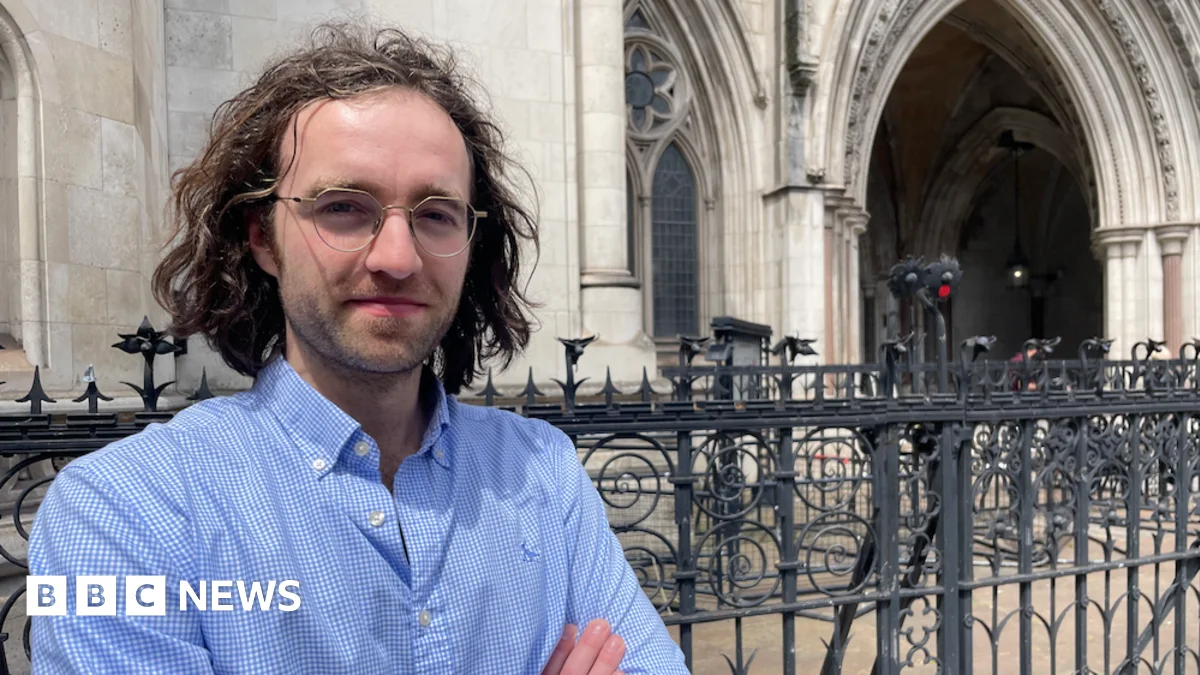
These issues led to students, represented by Harcus Parker and Asserson solicitors through a platform called Student Group Claim, to pursue legal claims against UCL. They argued that these disruptions diminished the quality of their education and, for many, represented a failure by the university to uphold its contractual obligations. The scale of the action was significant, with early reports indicating over 5,000 students initially bringing claims, and later figures suggesting over 120,000 students had signed up to similar actions at various universities.
Legal Proceedings and Attempts at Resolution
The legal path to this settlement involved several stages:
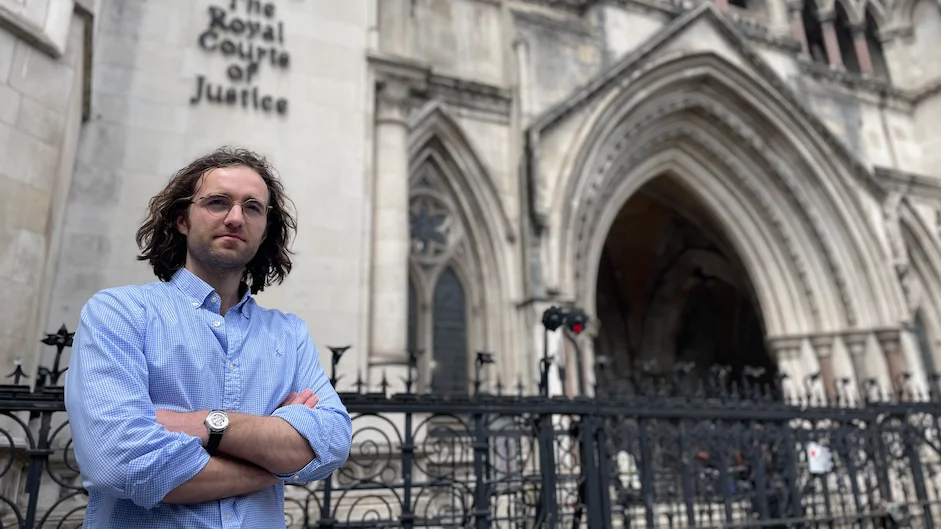
Initial Claims: Students alleged breaches of tuition contracts, seeking damages for the compromised educational experience.
UCL's Stance: UCL maintained that it followed government guidance during the pandemic, prioritized student well-being, and sought to maintain a high-quality academic experience under unprecedented circumstances. The university also initially advocated for students to use internal complaints procedures.
Court Interventions: In July 2023, a High Court judge, Senior Master Fontaine, paused the proceedings for eight months, urging the parties to explore mediation and other settlement methods to avoid significant legal costs and to resolve the claims amicably. This decision was seen as a directive to pursue out-of-court resolutions rather than mandating internal procedures, a move welcomed by student representatives.
Precedent Setting: The UCL case was considered a potential precedent for similar actions against other universities across the UK, with approximately 80 institutions facing potential legal challenges.
Settlement Reached
Recent reports confirm that UCL and the students involved in the legal action have now reached a settlement.
Read More: UK Health Agency Warns About Scarlet Fever Dangers
Lawyer's Statement: Adam Zoubir, a partner at Harcus Parker, expressed satisfaction with the resolution, stating it provides a "resolution for our clients" and marking "the end of the claim against UCL." He noted that their firm continues to represent students in claims against other universities. Shimon Goldwater of Asserson solicitors echoed this sentiment, expressing pleasure and indicating that Student Group Claim would now focus on other university claims.
UCL's Position: In a statement, UCL confirmed the resolution, emphasizing its commitment to delivering an "outstanding education and experience" for its students. The university reiterated that throughout the litigation, it sought to resolve matters in the best interests of its students. Crucially, UCL stated it admitted no liability as part of the settlement, agreeing to resolve the matter "amicably and without further expense." This decision, UCL explained, was to avoid diverting valuable resources from teaching, research, and student support.
Confidential Terms: The precise terms of the settlement are confidential and have not been disclosed to the public.
Student and University Perspectives
Student Grievances
Students who joined the legal action articulated feelings of dissatisfaction with the educational provisions during the pandemic.
Read More: Andhra Pradesh Will Use NEET Exam for Nursing School
Lack of Value: Many felt they were "paying for something we didn't get," implying a discrepancy between tuition fees paid and the education received.
Impersonal Experience: The shift to online formats and restricted access to campus facilities led some to feel they "didn’t really go there," indicating a perceived lack of immersive university experience.
Internal Procedures: Some students found UCL's internal complaints system to be difficult to navigate and felt their concerns were not adequately addressed or taken seriously.
UCL's Response
UCL’s management consistently framed its actions during the pandemic as necessary responses to unprecedented circumstances, prioritizing student welfare and academic continuity.
Adherence to Guidance: UCL stated it followed UK government guidance and implemented comprehensive safety measures.
Prioritizing Well-being: The university's priority was to "support students, protect their wellbeing, and maintain a high quality academic experience."
Resource Allocation: UCL’s decision to settle, despite admitting no liability, was framed as a pragmatic choice to prevent further financial and resource expenditure on litigation, which could have diverted funds from core educational and research activities.
Implications and Future Considerations
The settlement at UCL marks a significant development in the broader wave of student legal actions against UK universities concerning the pandemic.
Read More: Taylor Swift's New Song Remix Hits Number One in the UK
Resolution for Claimants: For the students involved in the UCL claim, the settlement offers a definitive resolution to their legal grievances.
Focus on Other Universities: The legal firms involved have indicated their continued focus on pursuing similar claims against other educational institutions.
Precedent for Other Cases: While the UCL settlement is confidential, its conclusion may influence negotiations and strategies in ongoing and potential future cases against other universities. The absence of admitted liability by UCL highlights a common approach for institutions seeking to resolve such disputes.
BBC News: Article 1 (Published: 4 hours ago), Article 3 (Published: Jul 10, 2024), Article 4 (Published: Jul 17, 2023). Provides detailed reporting on the settlement, court proceedings, and earlier attempts at resolution.
UCL Website: Article 2 (Published: 1 day ago). Offers the university's official statement regarding the settlement and its perspective.
The Standard: Article 6 (Published: Feb 21, 2024). Covers earlier stages of the dispute, including the breakdown of talks and the High Court trial prospect.
Parliament News: Article 7 (Published: Jul 10, 2024). Focuses on the scale of the lawsuit and the contractual basis of the claims.
The Big Issue: Article 8 (Published: Aug 28, 2023). Features student perspectives and experiences with university complaints procedures during disruption.
Join The Claim: Article 9 (Published: Jun 13, 2024). Places the UCL case within the broader context of legal action against multiple UK universities.
Times Higher Education: Article 5 (Published: Jul 17, 2023). Reports on student calls for settlement following a court ruling that favored mediation over internal complaints procedures.
Read More: Young Cricketer Vaibhav Suryavanshi Faces School Exams After World Cup Win


:max_bytes(150000):strip_icc():focal(359x0:361x2)/Taylor-Swift-Instagram-story-021326-7cb27b56d1444f18ad01a2c9a70a8fb4.jpg)
)