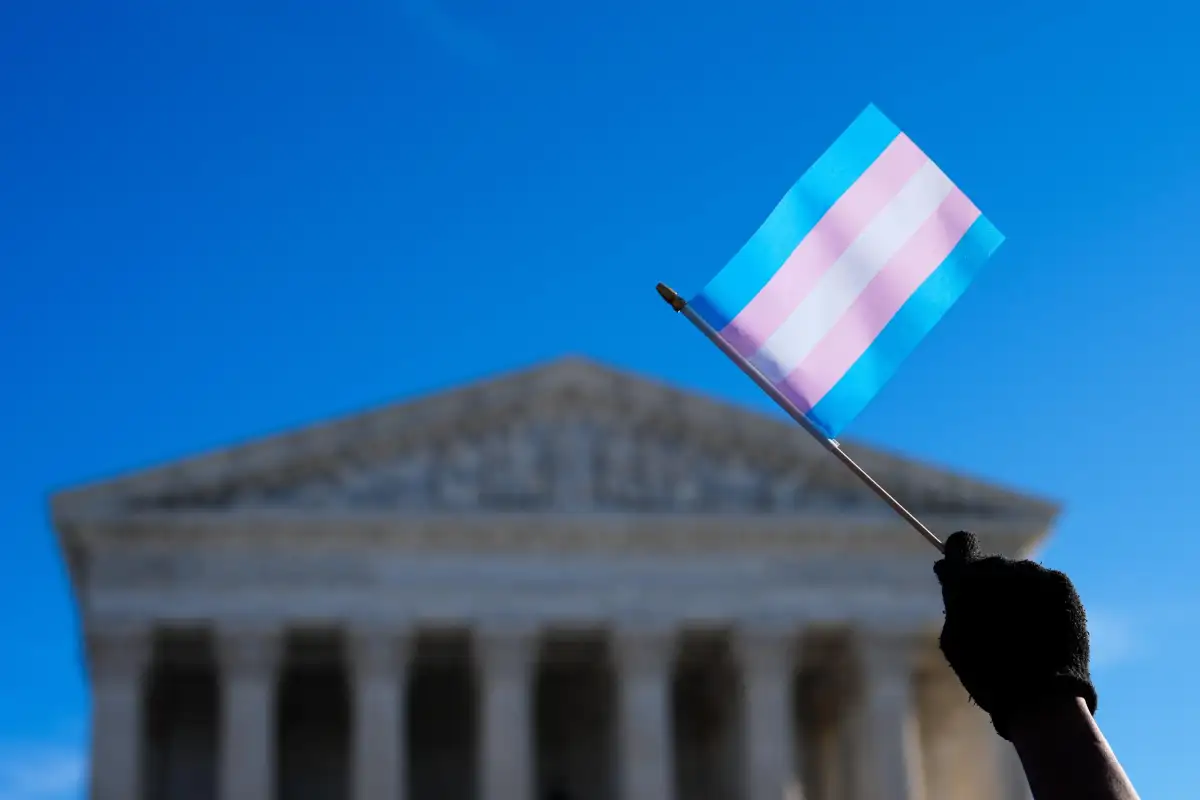
The convergence of artistic creation, financial pursuit, and social impact has become a defining characteristic of the contemporary cultural landscape. This evolving paradigm suggests that financial success in the arts may increasingly be yoked to tangible societal contributions.
The notion that financial gain and altruistic aims in art are not mutually exclusive, but rather intertwined, is gaining traction. Artists and organizations are exploring how creative output can directly translate into real-world influence, with some arguing that greater financial returns can signal a broader societal impact. This perspective challenges traditional views that often segregate the economic from the ethical dimensions of art.

The Mechanics of Influence
Charitable organizations and artists are increasingly collaborating, leveraging art and its associated events to drive social change.
Community Engagement: Events and joint projects serve as focal points for bringing diverse groups together.
Mission-Centric Creativity: Some charities are fundamentally built around art, using it as a vehicle for healing, empowerment, and advocacy.
Fundraising through Art: Charity auctions and events are central to uniting artists, galleries, and non-profits with the common goal of positive transformation.
Economic Benefits: Proceeds from these collaborative efforts often funnel back into charitable causes and support local art communities.
Art as a Catalyst for Awareness and Action
The power of art to provoke thought and inspire change is being harnessed across various platforms.

Broadening Perceptions: Art can expose individuals to a wider range of perspectives and ideas, potentially shifting societal viewpoints.
Inspiring Activism: Art serves as a potent tool to raise awareness about social issues and motivate people toward action.
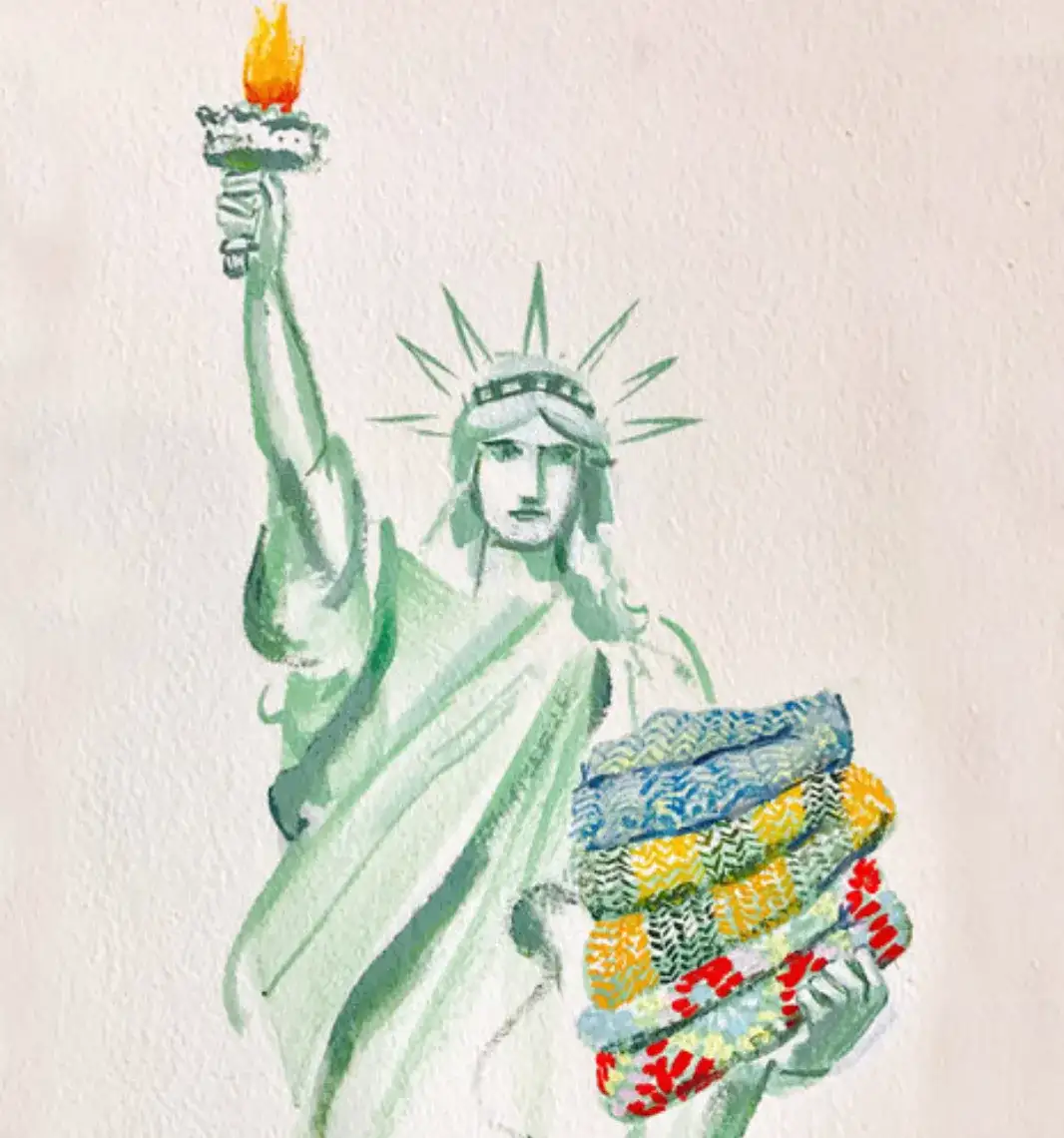
Addressing Contemporary Concerns: Artists are employing their craft to respond to current challenges, such as immigration and cultural displacement, as seen in projects like "Welcome Blanket."
The Art World's Expanding Impact
Beyond direct social activism, art is also being positioned as an 'impact investment', particularly concerning environmental issues.
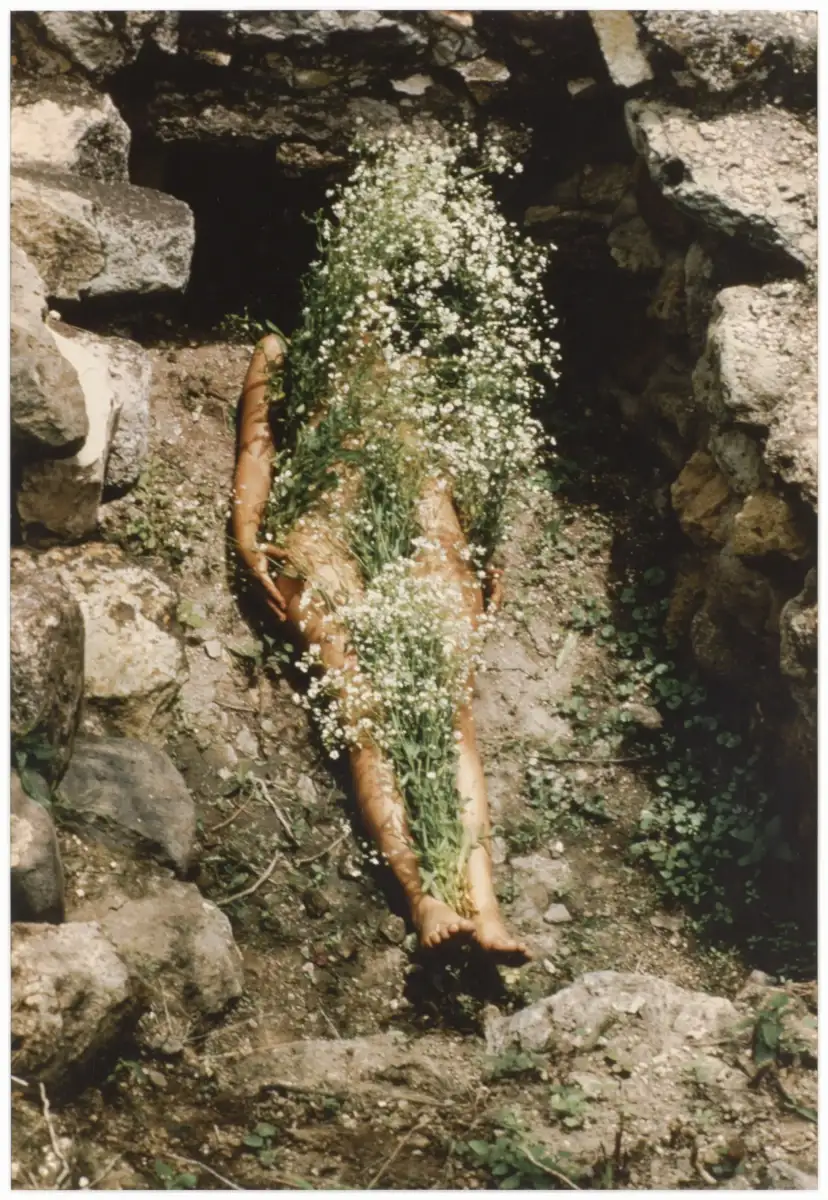
Eco-Conscious Art: Artists are collaborating with conservation groups, allowing collectors to make environmentally-focused investments through their art purchases.
Environmental Narratives: Works are highlighting pressing environmental concerns, such as the consequences of overfishing.
Historical and Conceptual Underpinnings
The idea that art can alter society is not new. Historical art movements have demonstrably influenced societal norms, and contemporary artists continue to explore this potential. The very essence of art – its self-expressive and creative nature – allows it to transcend barriers, fostering understanding and acceptance across diverse backgrounds. From paintings to photography, visual art offers myriad forms to convey messages and stimulate dialogue.
Read More: Billy West Memoir Reveals How He Created Fry's Voice