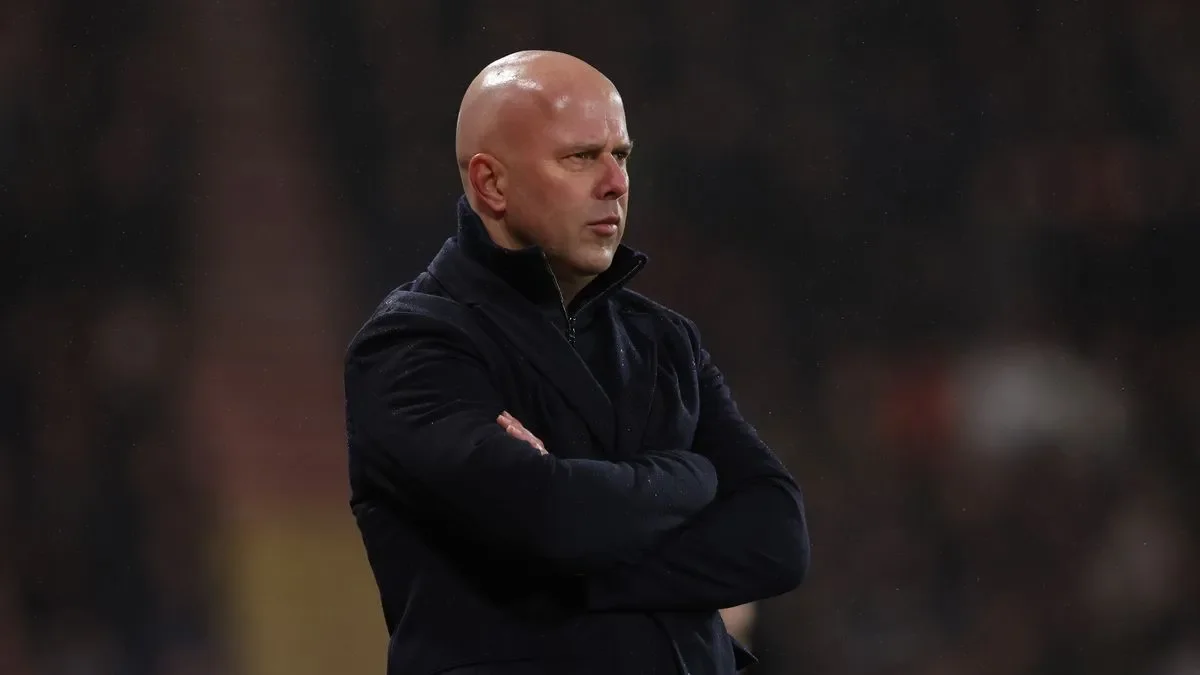
Arne Slot's position as Liverpool manager faces an intensifying existential threat, inextricably linked to the club's ability to secure a spot in next season's Champions League. Recent performances, including a 4-2 defeat to Aston Villa, have plunged the team into a precarious situation, potentially jeopardizing Slot's tenure should they fail to finish within the top five of the Premier League standings. This looming prospect has seen the odds of Slot being the next manager sacked tumble dramatically to 2/1, placing him as the outright favourite ahead of rivals such as Eddie Howe.
Transfer Market Echoes of Discontent
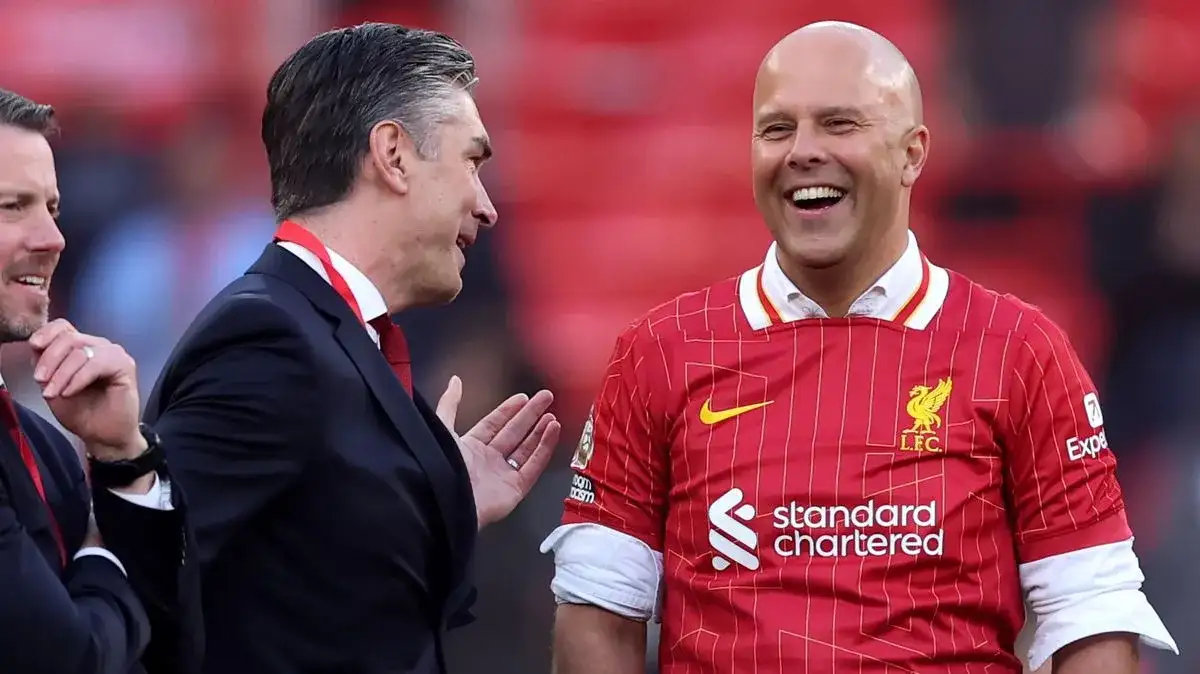
Amidst the performance-based pressures, the transfer window has also become a focal point of internal friction. Reports suggest a disagreement between Slot and Sporting Director Richard Hughes over a significant summer transfer – the sale of Luis Díaz. Slot reportedly advocated for keeping the Colombian international and even extending his contract, viewing him as a pivotal player. However, Hughes allegedly made the final, controversial decision to sanction the move to Bayern Munich. This decision appears to have come back to haunt the club, contributing to the ongoing difficulties.
Read More: Man Utd Stalls Lewis Hall Transfer to Prioritize Midfield Signings
Meanwhile, the club's transfer dealings also bring potential future complications. Porto midfielder Victor Froholdt has directly addressed speculation linking him with Liverpool. While expressing happiness at being noticed and stating he is "happy to see people following me and to know the fans appreciate my work," Froholdt maintained a focus on his current club. However, he left a subtle opening, admitting, "I am here playing for FC Porto and I am not focused on anything else. Obviously I have dreams. I love playing here at FC Porto, but I also dream of playing for some of the best clubs in the world." This sentiment suggests a potential desire for a move to a higher-profile club, a scenario Hughes is reportedly monitoring closely, alongside other Premier League rivals.
Hughes's Role and Past Support
Despite the mounting speculation and performance issues, there are indications of Richard Hughes's continued, albeit complex, support for Slot. In rare public comments, Hughes has offered insights into his perspective on the club's situation and his ongoing alignment with the manager. While Hughes's responsibilities as sporting director encompass transfers and player contracts, the ultimate decision regarding Slot's future is said to rest with him. This has led to increased scrutiny, particularly with the availability of figures like Xabi Alonso fueling discussions about potential managerial changes. However, some reports suggest Hughes has previously made his preference for Slot clear, viewing him as the "ideal man to lead the club through its current crisis," even when Slot faced questions about squad selections and a string of poor results.
Read More: England Cricket Captaincy: Harry Brook Leads Race After Stokes Quits

A Pattern of Stumbles and Realignments
The current turmoil is not an isolated incident. Earlier in the season, a period of regrouping and tightening performances following defeats in late November saw a temporary stabilization. However, a subsequent run of only four points from a possible fifteen has set the team back significantly. This recent dip in form has rekindled discussions about Slot's leadership and the club's strategic direction, especially in light of their strong performances in other competitions contrasting sharply with their domestic struggles. This pattern of inconsistency has raised serious questions about both Slot and Hughes, particularly if the club fails to achieve its Champions League objectives.
Read More: FIFA Moves Mexico vs England Match 6 Hours Earlier
Background
Arne Slot assumed the managerial role at Anfield, with Sporting Director Richard Hughes joining the club to oversee recruitment and football operations. The team's performance in the Premier League has become a significant barometer of their success under this new leadership. The ongoing discourse surrounding potential managerial changes and transfer strategies reflects the dynamic and often turbulent nature of elite football club management, where immediate results frequently dictate long-term decisions.