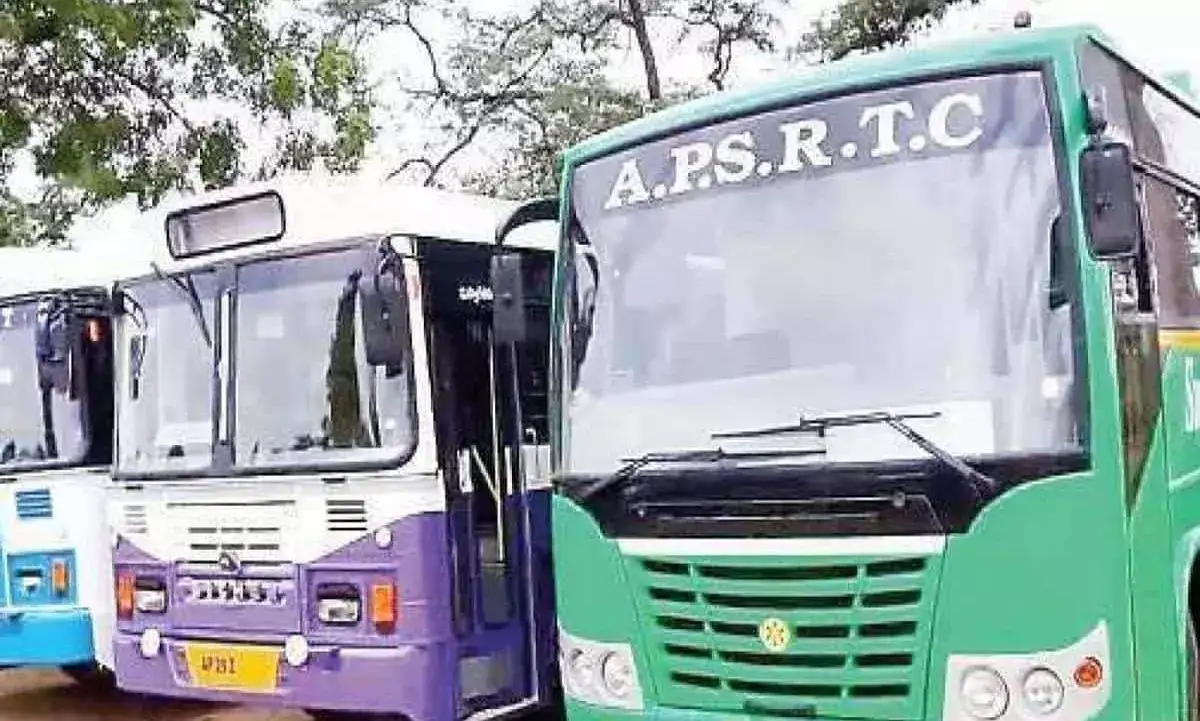
Employee unions across the Andhra Pradesh State Road Transport Corporation (APSRTC) have voiced strong opposition to government initiatives they deem as privatization. These unions are raising alarms over plans to introduce electric buses and redevelop bus stations through Public-Private Partnerships (PPPs), arguing that these moves ultimately benefit private entities at the expense of the public corporation and its workers.

The core of the contention lies in the proposed operational models for new electric buses and the development of key infrastructure. Unions argue that handing over the operation and management of electric buses to private companies, even when subsidized by central government grants (Rs 36 lakh per EV bus), amounts to a backdoor privatization. They further criticize plans where private firms manufacture EV buses and then lease them back to RTC, coupled with outsourcing charging station management.
Read More: Elizabeth Line Helps Londoners During Tube Strike on July 6
Union leaders have specifically pointed to the proposed development of six major bus stations under various PPP formats (DF-BOT, BOT with VGF, BOT with revenue-sharing). The total estimated investment for these projects is substantial, reaching Rs 958 crore. Concerns have also been raised regarding the alleged plans to transfer valuable RTC assets, such as prime land at the Vijayawada Governorpet-2 depot, to private developers for commercial projects like shopping malls.
"The current system of giving EV bus operations to private companies while leasing the same buses to RTC employees only reinforces the privatization threat." - Metro India
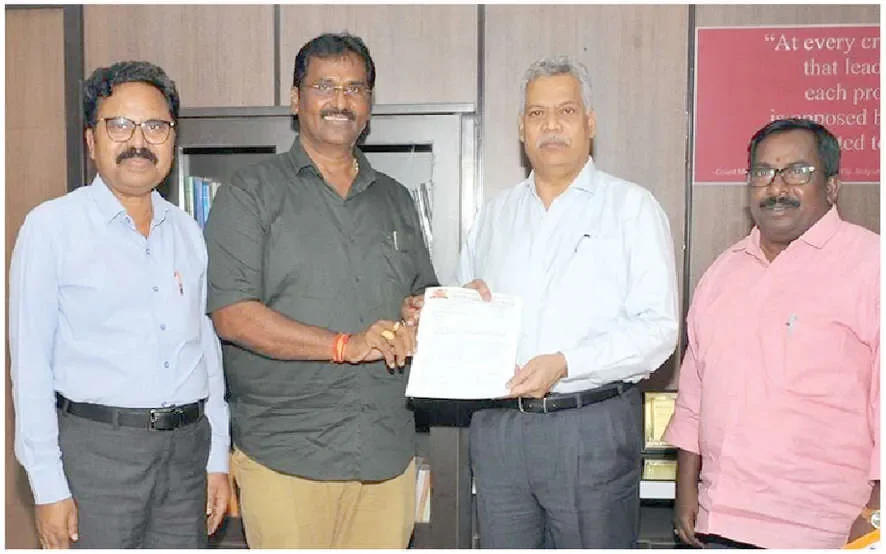
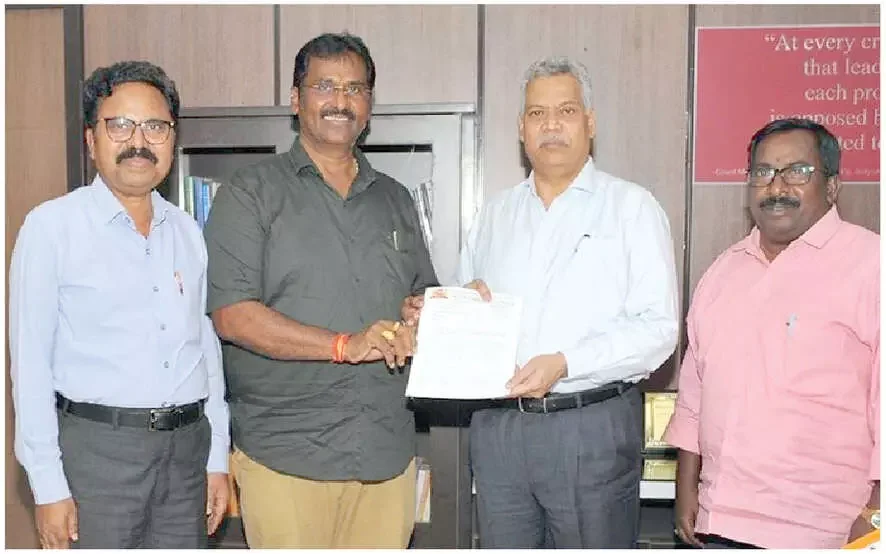
The National Mazdoor Union, in a protest on Monday in Vijayawada, stated they are not against the introduction of electric buses but insist that APSRTC itself should operate and manage them. They demand the government immediately withdraw any attempts to privatize the RTC sector.
Unions have vowed to resist these changes, warning of statewide protests and agitations if their demands are not met. They are pushing for RTC to retain full control over bus purchases and operations, suggesting that independent procurement of electric and CNG buses by RTC would negate the need for private involvement.
Read More: Andhra University Adds More Seats for B.Tech Courses
Background to the Dispute
The government's push towards modernizing public transport, particularly the introduction of electric buses under schemes like the PM-eBus Sewa, is intended to address environmental concerns and reduce operational costs through cleaner technology and potentially lower running expenses. However, the chosen implementation model, often involving PPPs, has ignited widespread resistance from employee unions.
These unions perceive the PPP model and the outsourcing of services as direct threats to job security and the long-term viability of the public transport corporation. They argue that the government's strategy benefits private players, who gain access to infrastructure and operational control, while the public entity is systematically weakened. This creates a tension between the goals of modernization and environmental improvement versus the preservation of public sector employment and assets. The opposition is not just limited to operational aspects but extends to the management and potential sale of RTC-owned lands.
Read More: London Underground Strike Causes Delays for Commuters