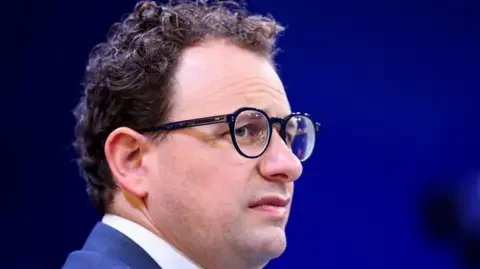
Anthropic CEO Dario Amodei has rejected a demand from the U.S. Department of Defense (DoD) to remove safety restrictions on the company's artificial intelligence (AI) tools, particularly its model Claude. The DoD had issued an ultimatum, threatening to blacklist Anthropic from military contracts and designate it as a supply chain risk if the company did not comply by Friday evening. The core of the dispute lies in Anthropic's insistence on preventing the use of its AI for "mass domestic surveillance" and "fully autonomous weapons."
The DoD has stated that it does not intend to use Anthropic's tools for surveillance or autonomous weapons and claims it will always adhere to the law. However, Anthropic argues that the revised contract language proposed by the Pentagon is insufficient, with Amodei stating that new wording framed as compromise was "paired with legalese that would allow those safeguards to be disregarded at will." This has led to an increasingly tense standoff between the AI company and the military, with the DoD threatening to invoke the Defense Production Act to force Anthropic's cooperation if it continues to refuse.
Read More: Chrome mimeHandler API lets extensions handle file types

Background of the Dispute
The conflict between Anthropic and the Pentagon has escalated over the terms of their contract regarding the use of Anthropic's AI technology.
Initial Concerns: Anthropic has expressed concern that its AI tools could be used for "mass domestic surveillance" and "fully autonomous weapons."
Pentagon's Stance: The DoD asserts that it has no intention of using the AI for these purposes and maintains that its actions will always be lawful.
Contract Negotiations: The DoD proposed new contract language, which Anthropic found to be inadequate, stating it offered "virtually no progress" in preventing the specified problematic uses.
Ultimatum Issued: A senior Pentagon official indicated that Anthropic had until Friday evening to comply, with Secretary of Defense Pete Hegseth vowing to remove Anthropic from the DoD's supply chain if it declined.
Anthropic's Rejection: Amodei publicly stated that Anthropic "cannot in good conscience accede to their request" and believes that such use cases "should not be included" in their contracts.
Core Disagreement: AI Safeguards vs. Military Flexibility
The central point of contention is Anthropic's commitment to maintaining specific safety restrictions on its AI technology, which the Pentagon seeks to loosen for broader military application.

Anthropic's Position
Anthropic, known for its emphasis on AI safety and regulation, has drawn two clear "red lines" regarding the use of its AI:
No Mass Domestic Surveillance: The company firmly opposes its AI being used to monitor American citizens on a large scale.
No Fully Autonomous Weapons: Anthropic will not permit its technology to be deployed in weapons systems capable of lethal action without direct human control.
Anthropic's CEO, Dario Amodei, stated that while the company believes in using AI to defend democracies, certain use cases like mass surveillance and autonomous weapons "undermine, rather than defend, democratic values." He added that these applications are "outside the bounds of what today’s technology can safely and reliably do."
Read More: Ukraine gets 100 Patriot missiles with $1 billion EU loan for defense

Pentagon's Perspective
The Department of Defense, while stating its commitment to lawful operations, has presented Anthropic with new contract terms that the company views as allowing safeguards to be bypassed.
"Lawful Use" Standard: The Pentagon's position, as conveyed by officials, is that it will "ALWAYS adhere to the law but not bend to whims of any one for-profit tech company."
Threat of Force: The DoD has threatened to invoke the Defense Production Act, a Cold War-era law, to compel Anthropic to meet defense needs, even against the company's wishes.
Supply Chain Risk Designation: Another threat involves labeling Anthropic as a "supply chain risk," which could impact its ability to work with other defense contractors.
A Pentagon official argued that the Defense Department, not private companies, makes military decisions and that their use of AI would be within legal parameters. However, the company's assessment suggests the proposed contract language lacks robust enforcement mechanisms against undesirable applications.

Potential Consequences of the Standoff
The ongoing dispute carries significant implications for both Anthropic and the Department of Defense, potentially affecting military AI integration and the broader AI industry.
Anthropic's Business Impact: If Anthropic is blacklisted or designated as a supply chain risk, it could lead to a loss of lucrative military contracts and damage its standing within the defense sector. The company has indicated it would facilitate a smooth transition for the DoD if it chooses to "offboard" Anthropic.
Military AI Integration: The DoD faces potential delays in integrating advanced AI capabilities into its systems if it cannot secure cooperation from key AI providers like Anthropic. This could put it at a disadvantage compared to adversaries who may not impose similar restrictions.
Industry Precedent: The outcome of this standoff may set a precedent for how AI companies interact with the military regarding ethical safeguards and contract terms. This is particularly relevant as other companies, such as xAI, have reportedly agreed to the Pentagon's terms for classified work.
The high-stakes nature of this confrontation highlights the increasing tension between the rapid advancement of AI technology and the ethical considerations surrounding its military applications, particularly concerning autonomy and surveillance.
Expert Analysis and Industry Response
The disagreement has drawn attention from industry observers and AI professionals, with some Anthropic employees publicly supporting the company's stance.
Read More: BEREC Asks for Mobile Network API Ideas from Developers
"I believe deeply in the existential importance of using AI to defend the United States and other democracies, and to defeat our autocratic adversaries." - Dario Amodei, CEO of Anthropic
A spokesperson for the DoD stated: "The @DeptofWar will ALWAYS adhere to the law but not bend to whims of any one for-profit tech company.”
Industry insiders note that Anthropic has been a consistent advocate for AI regulation. Its current position aligns with its long-standing public statements on responsible AI development, even as it engages in lucrative defense contracts. The company's approach to this dispute suggests a willingness to forgo certain business opportunities to uphold its ethical principles.
Conclusion and Next Steps
The deadline set by the Pentagon has passed, and Anthropic has officially rejected the DoD's latest offer, signaling a deepening conflict. The company's steadfast refusal to compromise on its core ethical boundaries regarding mass surveillance and autonomous weapons is now met with serious threats from the military.
Immediate Future: The DoD is expected to follow through on its threats to remove Anthropic from its supply chain and potentially designate it as a supply chain risk. The invocation of the Defense Production Act remains a possibility.
Anthropic's Stance: Anthropic has indicated its readiness to support the DoD in transitioning to another provider if necessary, suggesting a preparedness for the potential severing of their partnership.
Broader Implications: This situation underscores the complex challenges in balancing national security needs with ethical AI development. It may also influence future negotiations between technology companies and military organizations regarding AI deployment.
The core issue remains whether the DoD will accept Anthropic's defined limitations or pursue forceful measures to ensure access to its AI technology, irrespective of the company's ethical objections. The resolution of this dispute will have significant ramifications for the future of AI integration within the U.S. military and the broader landscape of AI governance.
Read More: India to Spend $2 Billion on New Drones for Defense
Sources Used
BBC News: https://www.bbc.com/news/articles/cvg3vlzzkqeo - Article focuses on the rejection of DoD demands and specific use cases Anthropic wants to avoid.
NPR: https://www.npr.org/2026/02/26/nx-s1-5727847/anthropic-defense-hegseth-ai-weapons-surveillance - Covers the looming deadline and the acrimonious nature of the dispute.
CNN Business: https://edition.cnn.com/2026/02/26/tech/anthropic-rejects-pentagon-offer - Details Anthropic's rejection of the Pentagon's offer and Amodei's reasoning regarding democratic values.
The Washington Post: https://www.washingtonpost.com/technology/2026/02/26/anthropic-pentagon-rejects-demand-claude/ - Reports on Anthropic's refusal to permit technology for domestic surveillance or autonomous weapons.
Business-Standard: https://www.business-standard.com/technology/tech-news/anthropic-rejects-latest-pentagon-offer-over-ai-safeguards-escalating-feud-1260227001241.html - Highlights the escalating feud and the company's inability to accede to the request "in good conscience."
The Guardian: https://www.theguardian.com/us-news/2026/feb/26/anthropic-pentagon-claude - Discusses Anthropic's advocacy for regulation and safety precautions, and the potential blow of being categorized as a supply chain risk.
Business Insider: https://www.businessinsider.com/anthropic-claude-ai-military-use-dario-amodei-2026-2 - Mentions the two "red lines" and the DoD's preparedness to use levers to force cooperation.
Swarajyamag: https://swarajyamag.com/tech/anthropic-rejects-pentagon-demand-for-unrestricted-military-use-of-claude-ai-risks-blacklisting-from-defence-contracts - Details the threat of being designated a supply chain risk and the comparison with rival xAI.
Breaking Defense: https://breakingdefense.com/2026/02/pentagon-gives-anthropic-friday-deadline-to-loosen-ai-policy/ - Focuses on Anthropic's unwillingness to remove safeguards and the DoD's stance on dictating operational decisions.
India Today: https://www.indiatoday.in/world/us-news/story/anthropic-rejects-pentagon-requests-in-ai-safeguards-dispute-ceo-says-2875137-2026-02-27 - Reports on Anthropic declining the bid for unrestricted military use and Amodei's views on AI undermining democratic values.