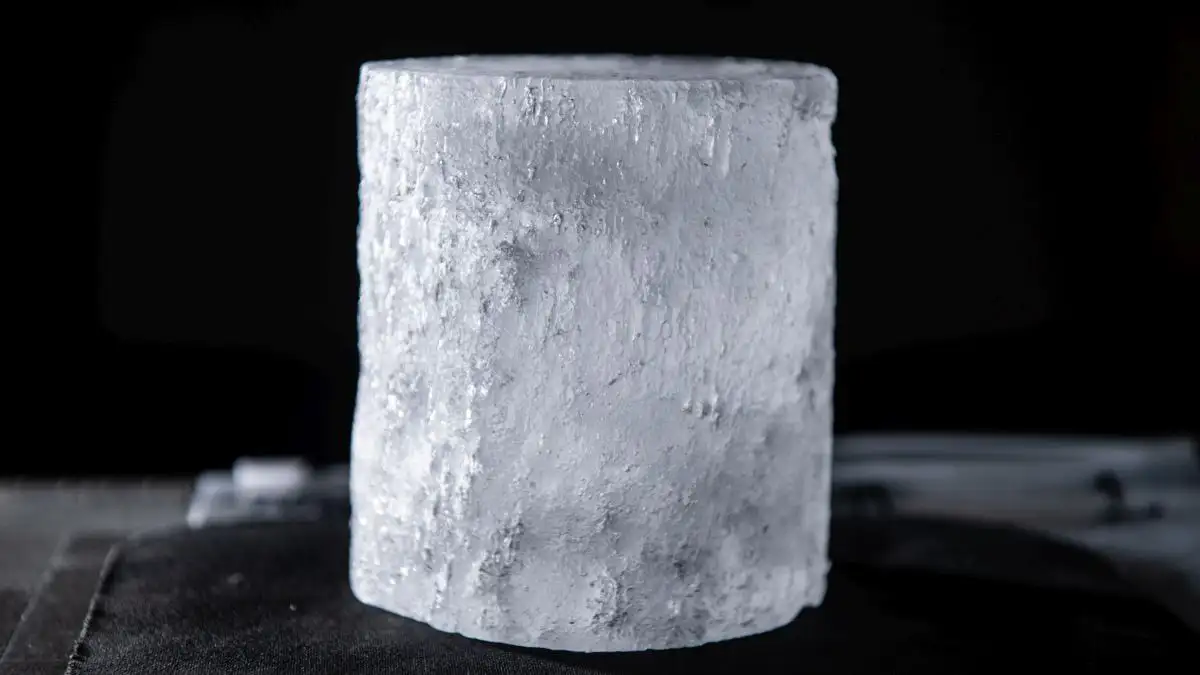
A scientific endeavor to understand melting beneath Antarctica's Thwaites Glacier, nicknamed the "Doomsday Glacier," has concluded prematurely. Key scientific instruments became stuck within the ice, preventing their intended deployment and the collection of vital data. The mission, a collaboration between the British Antarctic Survey (BAS) and the Korea Polar Research Institute (KOPRI), aimed to measure ocean conditions directly below the glacier's main trunk.
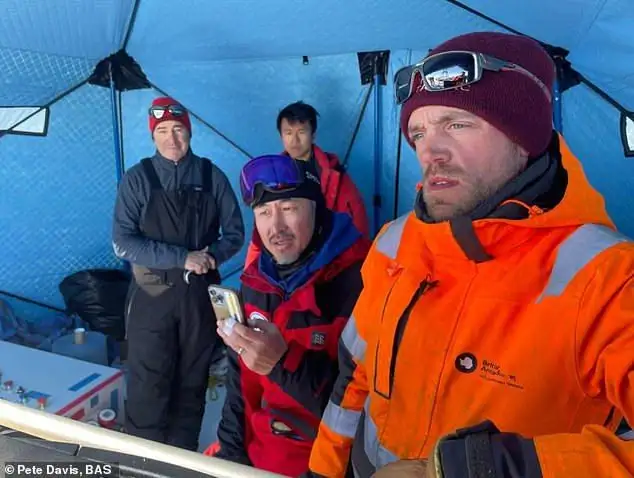
The Thwaites Glacier is a crucial element in the stability of the Antarctic ice sheet. Its accelerated melting is closely watched due to its potential to significantly raise global sea levels. Researchers have been studying this glacier since 2018, focusing on its behavior and the impact of warming ocean waters. This particular mission sought to access a less-studied, more fragile section of the glacier.
Mission Objective and Methodology
The primary goal of the mission was to place instruments capable of long-term data collection on ocean temperatures and currents beneath the Thwaites Ice Shelf. This data was intended to improve predictions of future sea-level rise.
Read More: Indigenous Data Rights Now Key in Conservation Genomics
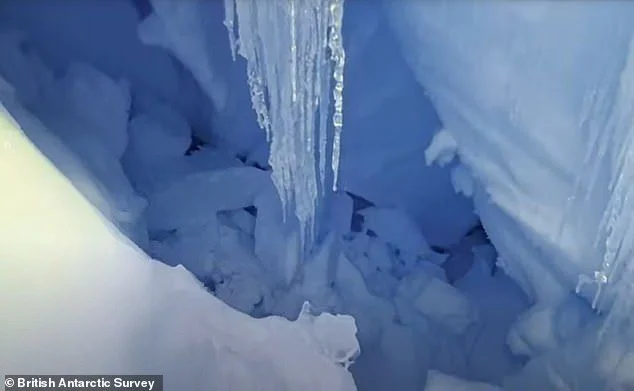
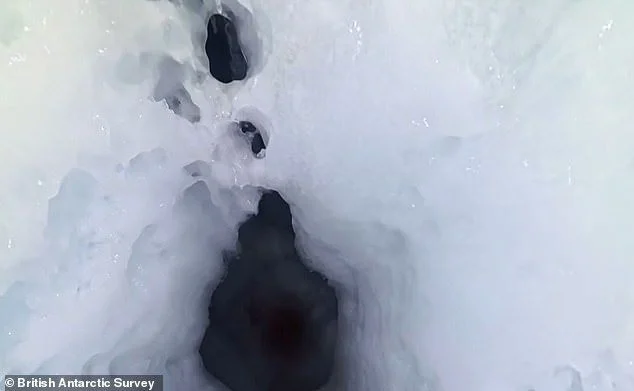
The team utilized a hot-water drill to melt a borehole approximately one foot in diameter through the glacial ice.
The intended depth of the borehole was nearly half a mile (approximately 3,300 feet), reaching the ocean cavity beneath the glacier.
This technique aimed to create a temporary opening that would remain accessible for instrument deployment.
Events Leading to Mission Termination
The mission faced significant challenges from the outset, operating in one of Earth's most hostile environments.
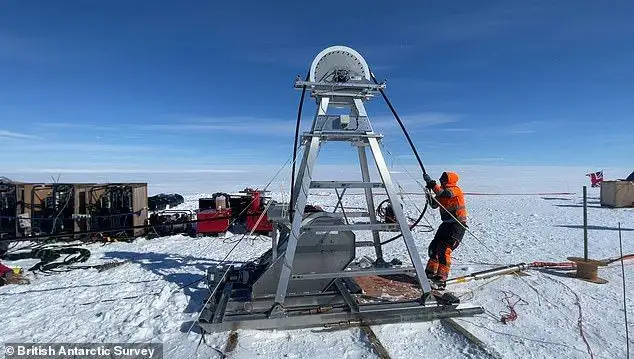
Scientists and engineers spent over a week establishing a base on the ice and commencing drilling operations.
During the process of lowering instruments into the borehole, key equipment became lodged in the ice.
The precise moment and cause of the entanglement remain under review, but the outcome was the inability to proceed with the mission's primary objectives.
Reports indicate that the borehole itself was at risk of refreezing within approximately 48 hours unless maintained by continuous hot water, highlighting the time-sensitive nature of the operation.
Successes Amidst Setbacks
Despite the ultimate failure to deploy the main instrumentation, the mission achieved some notable preliminary successes.
The team successfully drilled through the ice to the target depth.
They managed to temporarily deploy smaller, pilot instruments into the ocean cavity beneath the glacier.
Data gathered from these initial deployments provided valuable insights into turbulent ocean conditions and relatively warm waters at the glacier's base. This information is critical for understanding melt rates from below.
Conflicting Accounts and Data Gaps
While multiple sources confirm the mission's end due to equipment becoming trapped, subtle differences in emphasis exist. Some reports highlight the disaster and heartbreak of the failure, while others, like those from The Times of India and Gizmodo, focus on the race against time and the challenges of the environment. The Polar Journal and British Antarctic Survey reports emphasize the scientific significance of the mission and the inaccessibility of the target region.
The exact nature of the lodged instruments and the specific mechanics of how they became trapped are not fully detailed in the available reports. Further investigation may be required to ascertain if external factors or internal equipment issues contributed to the entanglement.
Read More: Antarctic Sea Ice Changes Due to Ocean Waves
Expert and Organizational Statements
British Antarctic Survey (BAS): Acknowledged the mission's difficulties, with statements underscoring the importance of studying Thwaites Glacier for predicting sea-level rise. This was noted as the first hot-water drilling operation on the main trunk of the Thwaites ice shelf.
Korea Polar Research Institute (KOPRI): Collaborated on the mission, contributing to the scientific and technical expertise deployed.
Keith Makinson, Drilling Engineer (BAS): Was quoted highlighting the critical time constraints, stating, "You don't have forever," referring to the need to keep the borehole open.
Conclusion and Implications
The mission to Thwaites Glacier, while ultimately unsuccessful in its primary objective, provided a crucial demonstration of the immense challenges associated with scientific exploration in such extreme environments. The entanglement of key instruments underscores the technical complexities and inherent risks involved in deep-ice drilling operations.
The data collected from the temporary instrument deployments, though limited, offers precious new information on the ocean-ice interactions driving glacial melt.
The mission's failure highlights the need for further technological development in ice-drilling and instrument deployment systems to overcome such obstacles in the future.
Understanding the mechanisms behind the equipment becoming lodged is essential for planning subsequent expeditions to the Thwaites Glacier and other similar critical research sites.
The broader scientific community will continue to rely on ongoing research to better predict the impact of glacial melt on global sea levels.
Sources Used:
Daily Mail: Mission to drill into Antarctica's Doomsday Glacier ends in DISASTER - https://www.dailymail.co.uk/sciencetech/article-15542015/Mission-Doomsday-Glacier-ends-DISASTER.html
The Times of India: Scientists failed to drill the deepest hole into Antarctica’s ‘doomsday glacier’: What went wrong at the final step - https://timesofindia.indiatimes.com/science/scientists-failed-to-drill-the-deepest-hole-into-antarcticas-doomsday-glacier-what-went-wrong-at-the-final-step/articleshow/127887876.cms
Futurism: Disaster Strikes as Scientists Tunnel Into Core of Doomsday Glacier - https://futurism.com/future-society/doomsday-glacier-instruments
Gizmodo: Scientists Tried Drilling Into Antarctica's 'Doomsday Glacier,' But the Ice Had Other Plans - https://gizmodo.com/scientists-tried-drilling-into-the-doomsday-glacier-but-the-ice-had-other-plans-2000718421
Polar Journal: Drilling Mission on the “Doomsday Glacier” - https://polarjournal.net/drilling-mission-on-the-doomsday-glacier/
British Antarctic Survey: Scientists’ drilling mission on remote and inaccessible glacier - https://www.bas.ac.uk/media-post/into-the-unknown-scientists-first-drilling-mission-on-remote-and-inaccessible-glacier/
PBS NewsHour Classroom: What researchers are learning as they drill into Antarctica's 'Doomsday Glacier' - https://www.pbs.org/newshour/classroom/daily-news-lessons/2026/01/what-researchers-are-learning-as-they-drill-into-antarcticas-doomsday-glacier
i, The Informant: This Is What It Looks Like Hundreds Of Meters Down An Ice Hole In Antarctica - https://www.iflscience.com/watch-a-camera-descend-into-a-deep-ice-hole-through-antarcticas-doomsday-glacier-82477 (Low Priority due to extraction failure)
The Independent: Scientists drill into Antarctica’s ‘Doomsday Glacier’ that threatens world’s oceans - https://www.independent.co.uk/news/world/antarctica-doomsday-glacier-drill-ocean-climate-change-b2910147.html (Low Priority due to extraction failure)