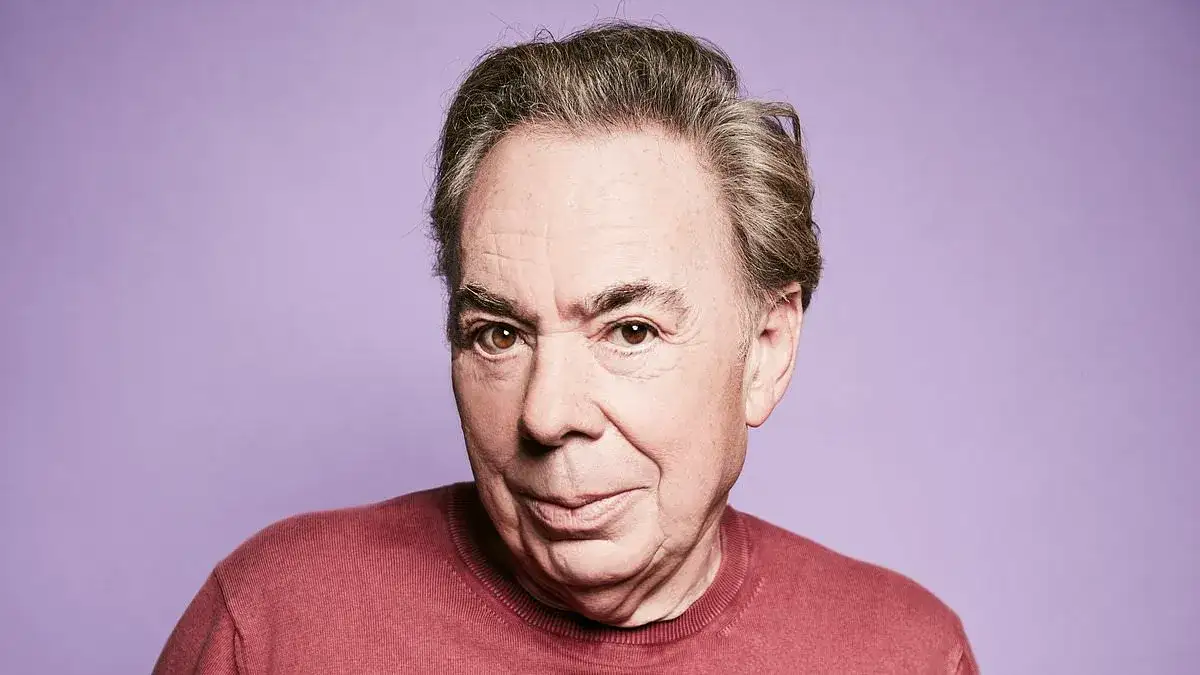
Sir Andrew Lloyd Webber, the composer behind stage spectacles, has surfaced from a prolonged engagement with alcohol. He reveals a 16-month sobriety streak, attributing a significant portion of his recovery to the steadfast encouragement of fellow musician Sir Elton John. This personal turn follows what Lloyd Webber describes as a "downhill spiral" and a realization that he "needed help."
Lloyd Webber's journey toward sobriety includes attending daily 'Alcoholics Anonymous' meetings across continents and a symbolic act: the auctioning of his extensive wine collection. This collection, amassed since he was fifteen, represents the final tangible tie to a life intertwined with drinking. He admits to past creative endeavors, including "a couple of songs that have been hits," where wine played a part in his process. The composer, now 78, stated in a candid interview that giving up the bottle has been "the best thing that ever happened to me."
Read More: New British Drama Announced with Fury and Fear
The narrative of Lloyd Webber's recovery is intertwined with the support network he found, particularly Elton John. John, himself a figure who has navigated decades of addiction and recovery, has reportedly acted as a "godfather of rehab" for Lloyd Webber. This echoes John's prior involvement in helping other musicians, such as Squeeze guitarist Chris Difford, overcome substance abuse through consistent, daily contact.
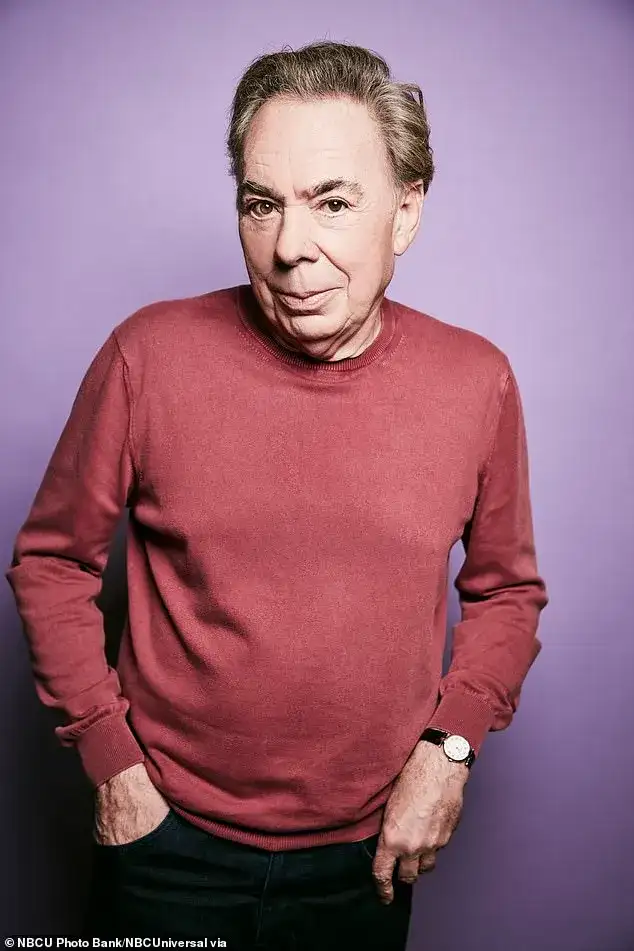
Lloyd Webber's decision to speak openly about his alcoholism comes after years of secrecy. He had previously attempted to quit drinking a decade ago, even auctioning off his wine collection at that time, but apparently continued to drink in private. This latest disclosure follows news of his brother, Julian Lloyd Webber, receiving treatment for prostate cancer.
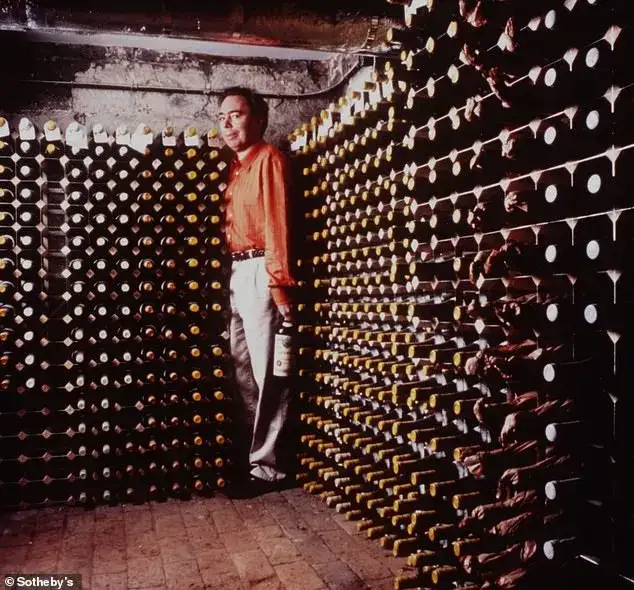
The composer's sober state has not quelled his creative output. He has recently completed new works, including "Cats: The Jellicle Ball" and musicals based on the Mona Lisa theft and "The Illusionist," alongside successful runs of "Sunset Boulevard" and "Evita." He suggests that sobriety has "slightly liberated" his writing. His reflections highlight a stark contrast to earlier periods, where his private struggles with alcohol reportedly continued for years, even after public pronouncements of sobriety.
Read More: India IVF Costs And Social Barriers Limit Access In April 2026