Iran's central bank has confirmed the receipt of the first revenue from newly imposed transit fees on ships navigating the Strait of Hormuz, officially refuting earlier reports suggesting digital currency transactions. This development coincides with heightened tensions in the crucial waterway, a vital artery for global energy supplies.
The deposit of toll revenue in physical currency directly into the central bank's accounts has been verified by Iranian officials. This assertion aims to quell speculation that Iran might have been collecting these fees using cryptocurrencies like Bitcoin.
Key Figures Confirm Revenue Deposit
"The first revenue from Strait of Hormuz tolls has been deposited into the central bank's account."— Hamidreza Hajibabaee, Deputy Parliament Speaker
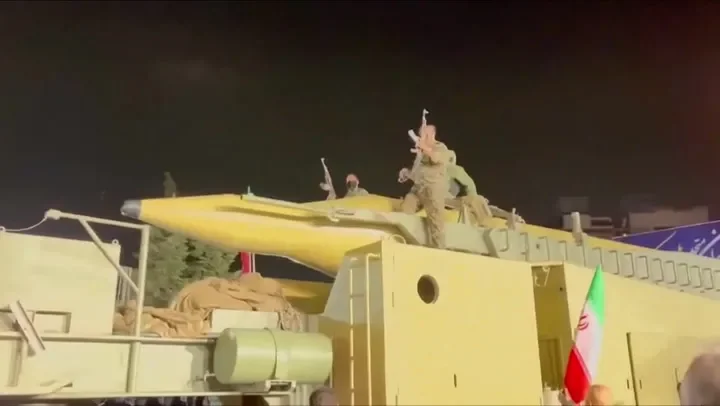
Hajibabaee further framed Iran's asserted control over the strait as a significant national achievement, directly linking it to the nation's "resistance against foreign domination." He claimed that US warships have been compelled to maintain a distance of 200 kilometers from Iranian waters, allegedly due to fear of Iran's military capabilities.
Read More: Italy Rejects World Cup Swap Idea for Iran on April 24 2026

Economic and Geopolitical Significance
The Strait of Hormuz, a narrow maritime passage, is pivotal for international trade, handling approximately 20 percent of global oil and 35 percent of natural gas shipments. Iran's move to impose tolls underscores its perceived leverage over this critical chokepoint.
Background and Context
The imposition of tolls follows a period of intense friction in the region, exacerbated by the ongoing war in the Middle East, which began on February 28th. Reports indicate that the Iranian parliament's National Security and Foreign Policy Committee had previously approved legislation establishing a legal framework for toll collection, framing it as an assertion of Iranian sovereignty.
Various reports from earlier in April had suggested that Tehran might require advance toll payments in cryptocurrency or Chinese yuan, with Iran's Islamic Revolutionary Guard Corps reportedly tasked with managing these transactions. However, the central bank's recent confirmation appears to solidify the use of conventional currency.
Read More: US Navy told to shoot Iran minelayers in Strait of Hormuz
The situation has been volatile, with conflicting narratives regarding ceasefire negotiations and military posturing. President Trump has previously issued warnings against any vessel paying tolls to Iran for passage through the Strait, even threatening military action. Meanwhile, oil prices have seen surges, reportedly linked to fears of prolonged disruptions in the Strait.