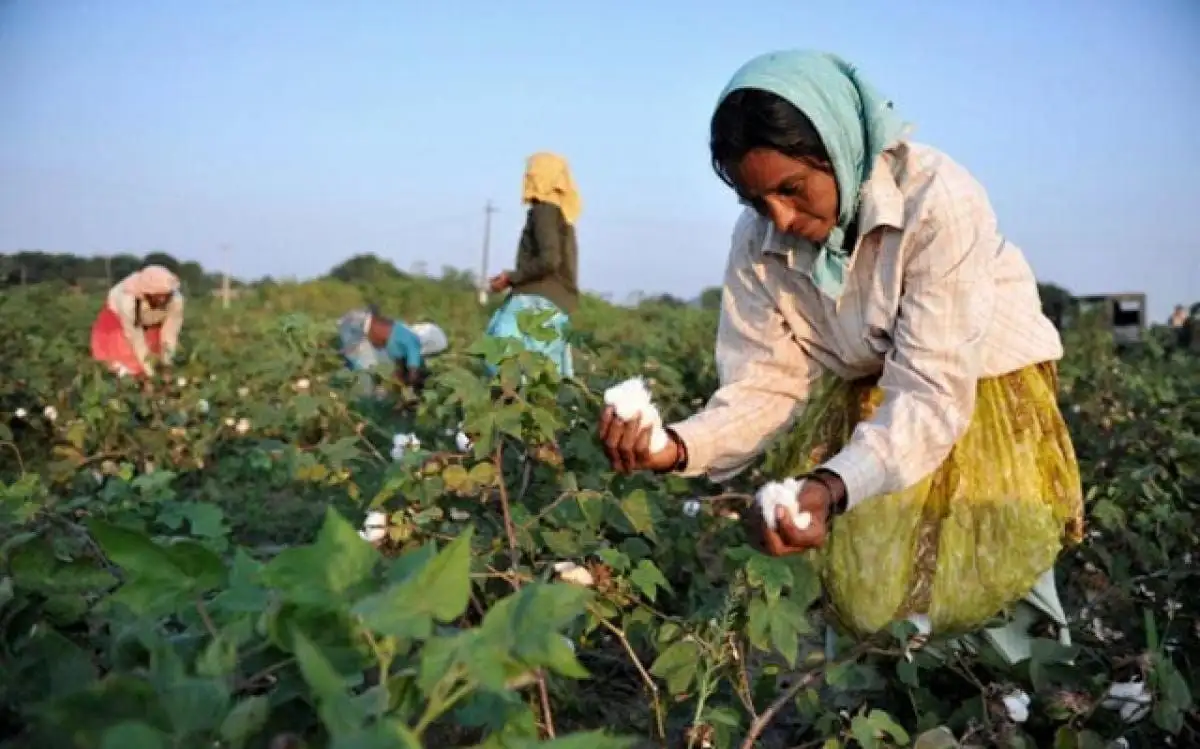
Significant numbers of women in Andhra Pradesh's tribal regions are spearheading a move towards 'natural' and 'organic' farming methods, a transition yielding not only environmental recovery but also substantial financial benefits. This shift involves adopting practices that restore biodiversity, as evidenced by the return of bees and sparrows to farms, and moves away from chemical pesticides. These efforts have gained attention on a broader stage, with some success stories being presented at international forums like COP-15.
Economic Realities and Community Expansion
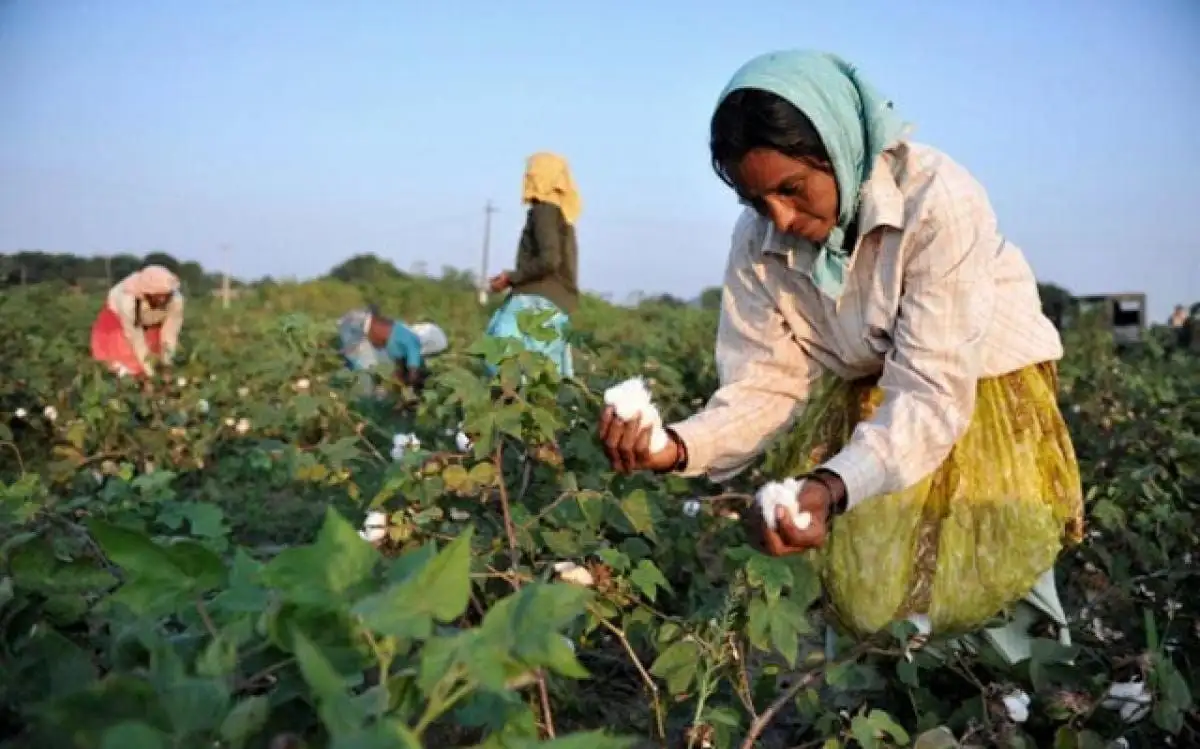
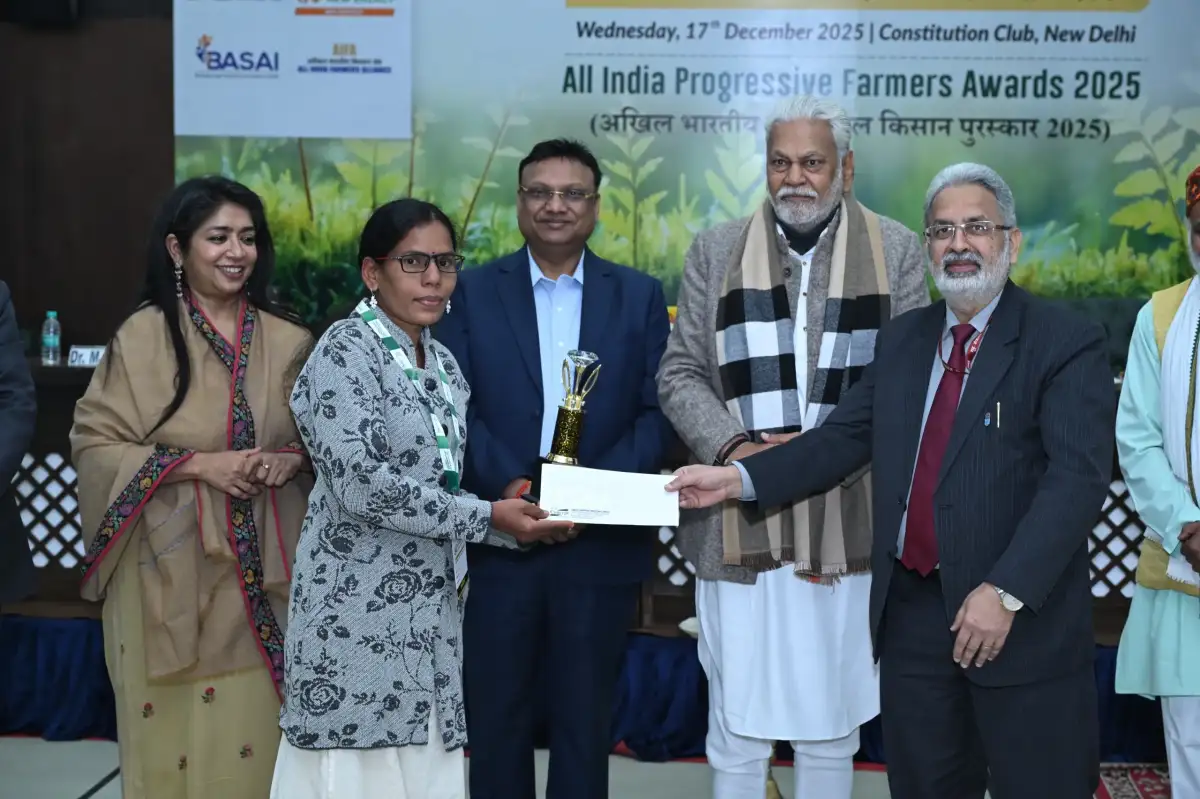
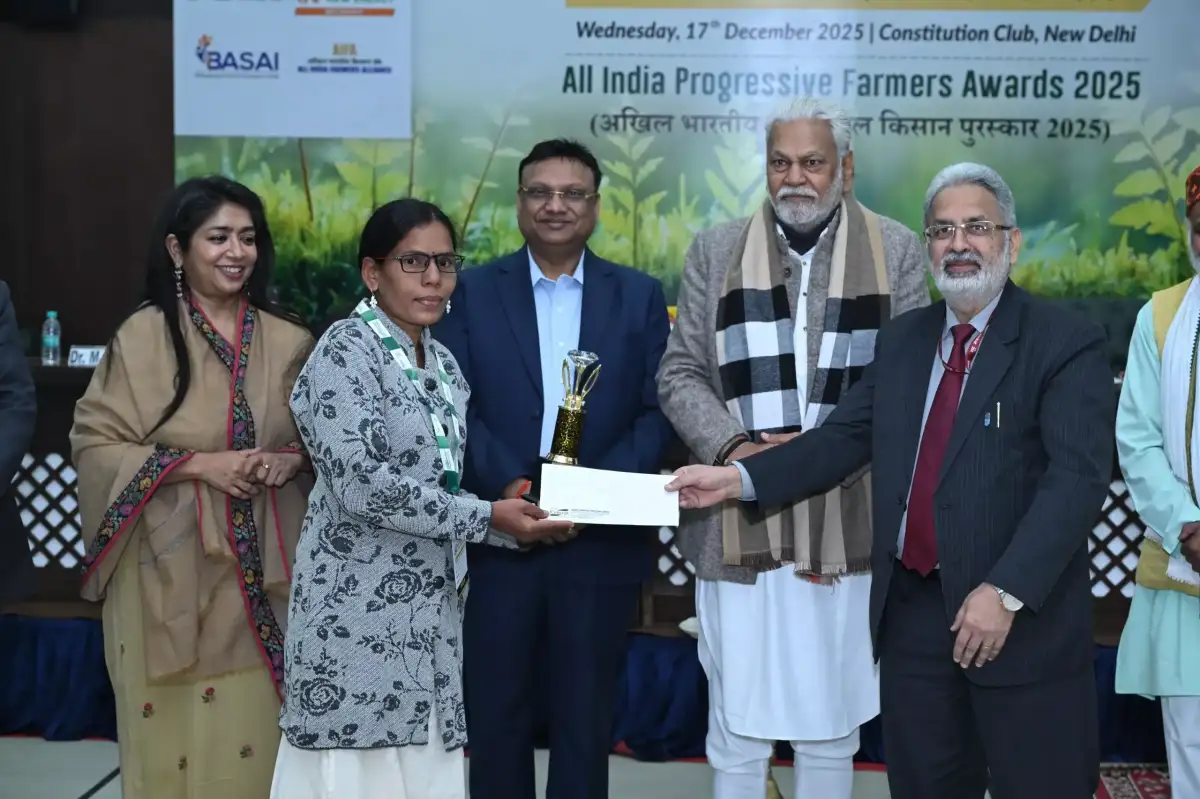
Vineeta, a farmer from the tribal districts, exemplifies this trend. Alongside her husband, Pangi Balakrishna, she now generates an estimated ₹1.5 lakh annually through organic farming. Her dedication has earned her the YSR Achievement Award in Agriculture. This personal success is not isolated. Initiatives like 'Raddis' (Radical disruption) started with a small group of 42 farmers across three communities and have since expanded to encompass 140 villages. In one instance, a non-governmental organization, Grameena Vikas Kendram, facilitated the purchase of 400 tonnes of organic cotton from approximately 3,000 tribal farmers during the 2022-23 season, indicating a growing market and collective effort.
Read More: New Wheat Makes Bigger Starch for Food and Industry
Biodiversity and Health Benefits
The return of wildlife to farms is a key indicator of ecological improvement. Nimmaka Naramma from Gummadiguda reported the reappearance of sparrows and honeybees on her farm after she ceased using pesticides. This resurgence of biodiversity is presented as a direct consequence of adopting these new farming systems, which also contribute to overall biodiversity enhancement. Furthermore, farmers like Gangojamma, her daughter Prabhavathi, and Mary point to improved personal health as a direct benefit of natural farming, noting their continued well-being even during the pandemic.
Context and Scale of the Movement
While organic cotton currently represents a small fraction – 1-2 percent – of India's overall cotton production, the efforts in Andhra Pradesh's tribal districts are noteworthy. The state's broader agenda to transition millions of farmers to natural farming hinges on the active participation and empowerment of women like Gangojamma and Prabhavathi. The success of these initiatives appears contingent on ensuring women are central to this transition, rather than merely instruments for its implementation. The expansion of natural farming is further bolstered by improved access to markets and the promise of fair prices, according to representatives of organizations like RySS.
Read More: India IVF Costs And Social Barriers Limit Access In April 2026