Andhra Pradesh is pulling its citizens’ biological data into a central digital vault. The Sanjeevani project, initially a pilot in the Chittoor district, is now scheduled for a total statewide rollout by April 1. The government intends to build digital health profiles for 72.73 lakh people, tracking the physical state of residents from infancy through old age.
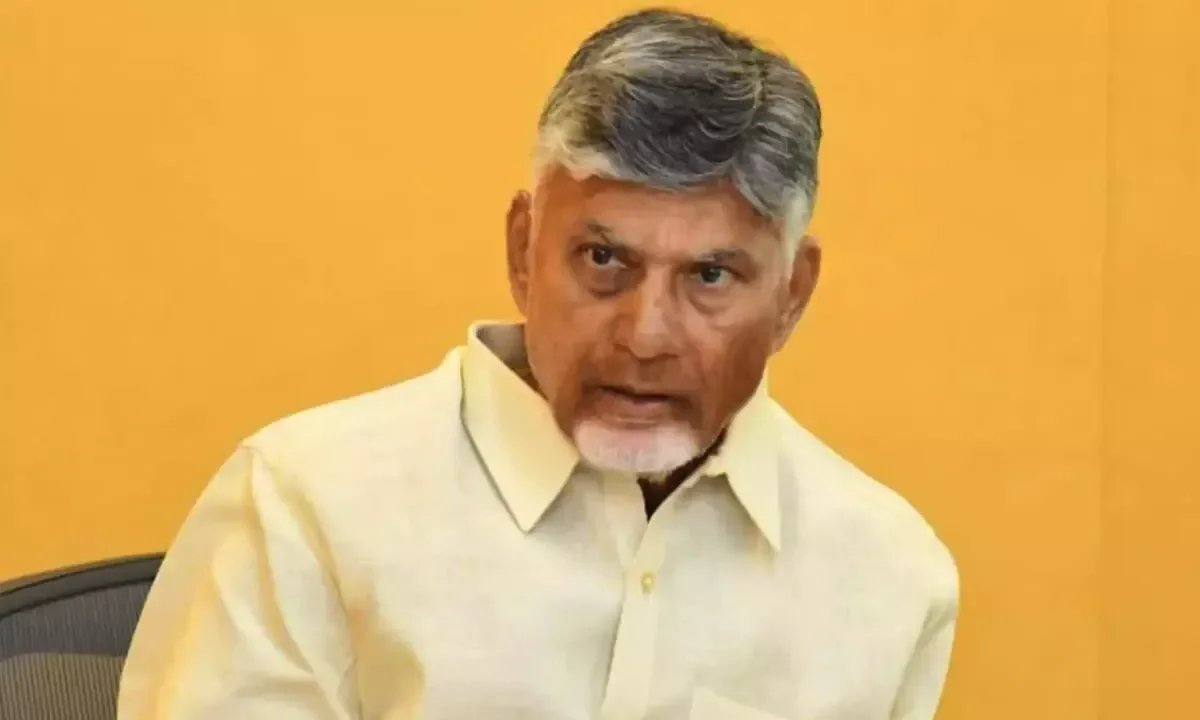
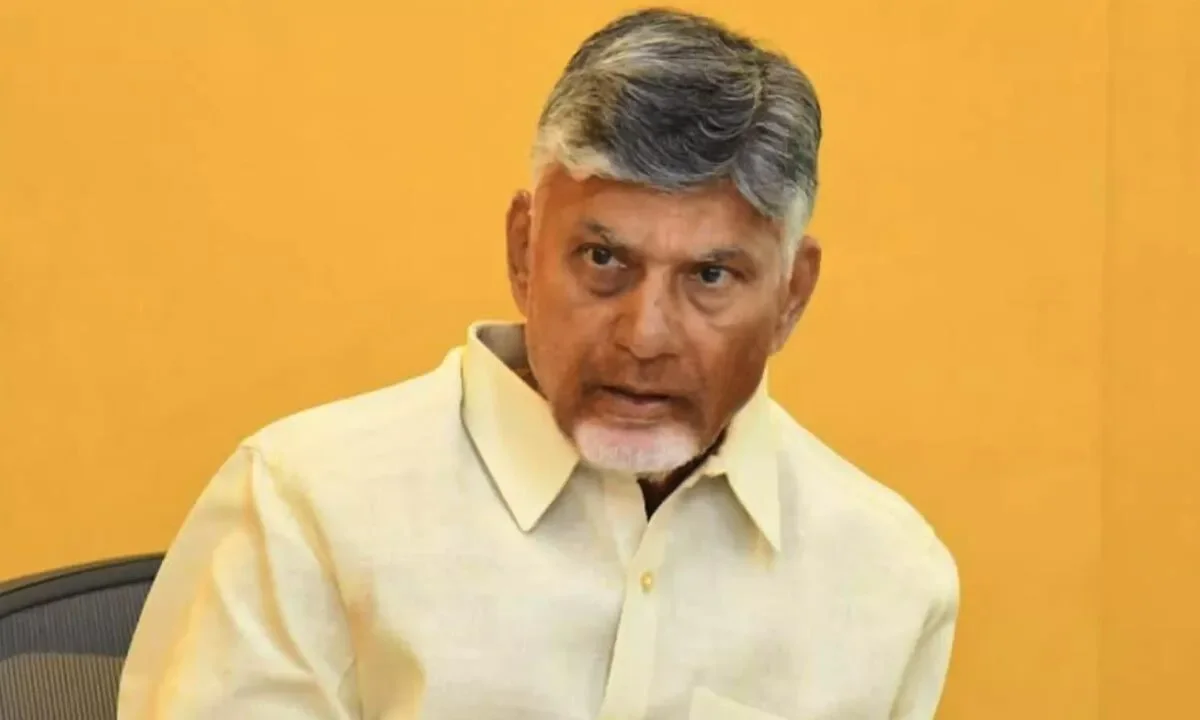
Chief Minister N Chandrababu Naidu confirmed the expansion will link local health data to a new Health Secretariat designed to monitor public health outcomes.
In the Punganur Assembly constituency, District Collector Sumit Kumar has ordered medical officers to move into "Phase-II," shifting the project from a test case into a mandatory administrative routine.
The technical skeleton relies on the Health X app and V-Pods—automated kiosks installed at Primary Health Centres (PHCs) to bypass traditional, slower medical interactions.
"Public health is not just a medical subject; it is related to several other issues," noted Peter Piot, founding executive director of UNAIDS, during a virtual advisory session. This framing suggests the project is less about simple doctor visits and more about the total management of the population's lifestyle.
The Architecture of Surveillance and Care
The project relies on a mix of local labor and global oversight. While local doctors handle outpatient services, the "intelligence" of the system is outsourced to algorithms and international advisors.

| Component | Function | Stakeholder |
|---|---|---|
| V-Pods | Automated health screening kiosks | Local PHCs |
| Health X App | Mandatory login for tracking patient follow-ups | Medical Staff |
| Digital Health Records | Permanent ledger of a citizen’s biology | State Govt / Gates Foundation |
| AI Advisories | Algorithmic health suggestions | Khosla Labs |
Collector Sumit Kumar has made "follow-ups" mandatory, requiring doctors to monitor every login on the Health X app in coordination with Primary Care Coordinators. The goal is to ensure that no patient escapes the digital loop once they have entered the system. The Gates Foundation and Khosla Labs are providing the expert framework, turning the state into what Dr. Rizwan Koita calls a "hub for digital healthcare."
Read More: India IVF Costs And Social Barriers Limit Access In April 2026

The Shift to Preventive Algorithms
The administration is moving away from reactive medicine toward "preventive" digital tracking.

The state plans to use mobile applications to dictate nutrition and lifestyle choices to the poor.
Health Minister Satyakumar Yadav has been tasked with filling long-vacant positions for Multi-Purpose Male Health Assistants (MPHAs) to ensure the digital directives reach the "doorstep."
Experts like Sowmya Swaminathan (former WHO chief scientist) emphasize that the system must also control food supply and nutrition to be effective.
Background: From Kuppam to the State
The Sanjeevani project began as a quiet experiment in Kuppam, the Chief Minister's home constituency. It was a pilot project funded and guided by the Gates Foundation to see if a rural population could be successfully digitized. After "monitoring health data" in this small enclave, the government decided the model was ready for the masses.
The push for Sanjeevani coincides with the launch of the NTR Bharosa pension scheme, linking social welfare to the broader "development roadmap." While the official language speaks of "healthy, wealthy, and happy" citizens, the underlying reality is the creation of a massive, state-controlled Digital Health Record infrastructure that turns every medical symptom into a data point for the new Health Secretariat.
Read More: Andhra University Adds More Seats for B.Tech Courses