The notion of the "gullible American" appears to be a recurring specter, surfacing across various commentaries that grapple with trust, skepticism, and the narratives people choose to embrace. Recent observations suggest a disquieting trend where distrust in established institutions coexists with an eagerness to accept less verifiable claims. This dynamic seems to fuel a market for those offering simplistic explanations or appealing to pre-existing anxieties, regardless of factual grounding.
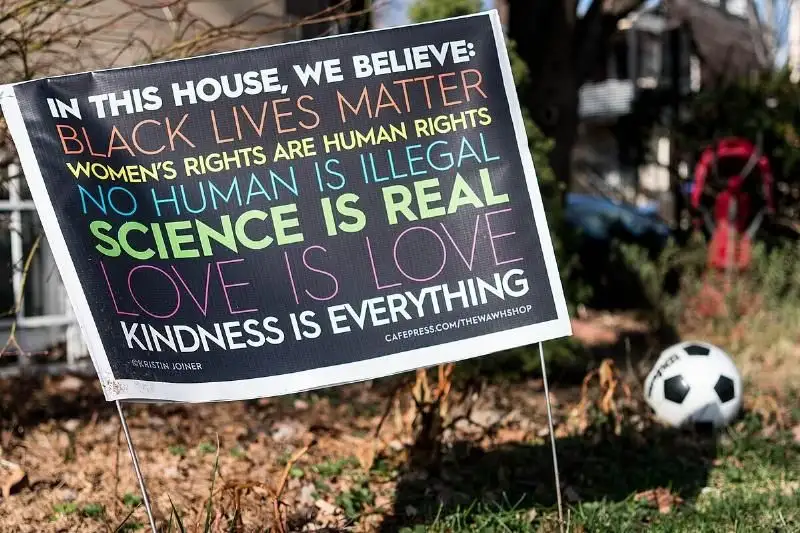
Recent commentary highlights a peculiar duality: a deep suspicion of federally insured banks is often paired with an uncritical acceptance of volatile cryptocurrency investments peddled by millionaires. Similarly, scientific consensus is dismissed as a "conspiracy," while questionable health advice from podcasters, promoting everything from creatine gummies to alternative dietary fats, finds a receptive audience. This selective credulity suggests a deliberate cultivation of distrust, designed to create openings for commercial or ideological exploitation.
Read More: New Atheism movement splits on April 7 2026 over political views
The Roots of "Gullibility"
Discussions probing this phenomenon trace its lineage back, noting that past instances of public credulity were perhaps misunderstood. An article from Origins: History News touches upon Nathaniel Hawthorne's critiques, suggesting that even in his time, audiences might have been more susceptible to his satire than he anticipated. The author implies that rather than acknowledging personal predispositions, there's a tendency to seek external culprits. This historical echo points to a potential long-standing human inclination towards facile explanations, especially when confronted with unsettling realities.
Cynicism as a Shield and a Commodity
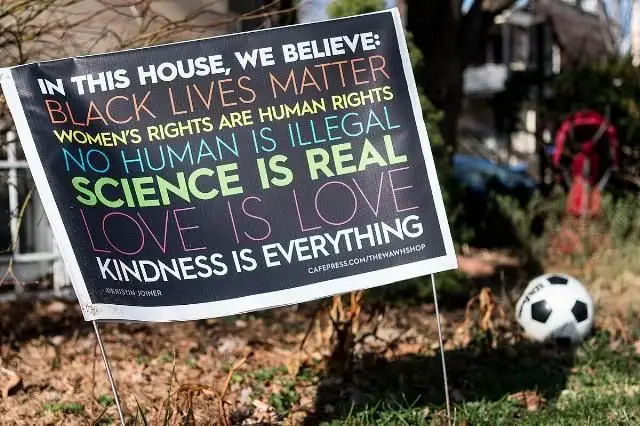
The current discourse frames this gullibility not as mere naivete but as intertwined with a corrosive cynicism. This cynicism, it is argued, is actively marketed by entities that profit from it. The strategy appears to be: erode faith in conventional authorities (banks, scientists) to create a vacuum that can be filled by their own offerings, be they financial speculation, dubious health products, or partisan narratives. This manufactured distrust is a powerful tool, enabling the sale of "anything at all" by fostering an environment where skepticism is weaponized against credible information while unverified claims gain traction.
Read More: Theology explains anxiety as lack of trust in God
A Broader Societal Scan
The phenomenon is not confined to isolated incidents. Analyses suggest a coordinated element, where similar deceptions are enacted globally. The simple arithmetic of established truths is contrasted with a tendency to react to unfamiliar ideas with fear or rejection, akin to the fictional monster recoiling from fire. This suggests that the embrace of simplistic, often misleading, narratives is not merely an individual failing but a broader societal challenge, potentially exacerbated by echo chambers and the curated dissemination of information.
The Challenge of Perception
Further reflections indicate that a superficial judgment of individuals can be a pitfall. The tendency to believe that people are precisely as they present themselves, or that adhering to a political affiliation is simply a matter of historical inertia, overlooks deeper motivations and susceptibilities. The argument here is that a more profound examination is needed, moving beyond easy judgments to understand the conditions that foster such widespread credulity and cynicism.
Read More: ‘Mogging’ term spreads: Is it a joke or a sign of competition?