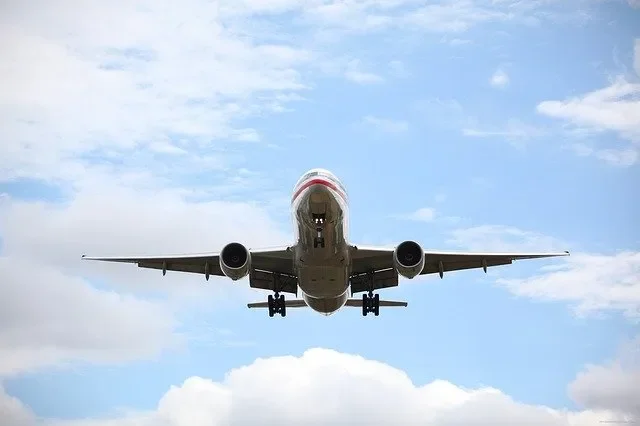
An American Airlines flight bound for Doha, Qatar, executed a startling U-turn over the Mediterranean Sea, transforming a transatlantic journey into a 16-hour "flight to nowhere." The aircraft, a Boeing 787 Dreamliner, reversed course approximately seven hours into its trip from Philadelphia, diverting back to its origin due to sudden airspace closures across the Gulf. This incident, which saw the plane land back in Philadelphia just over 16 hours after departure, highlights the cascading effects of regional instability on global travel.
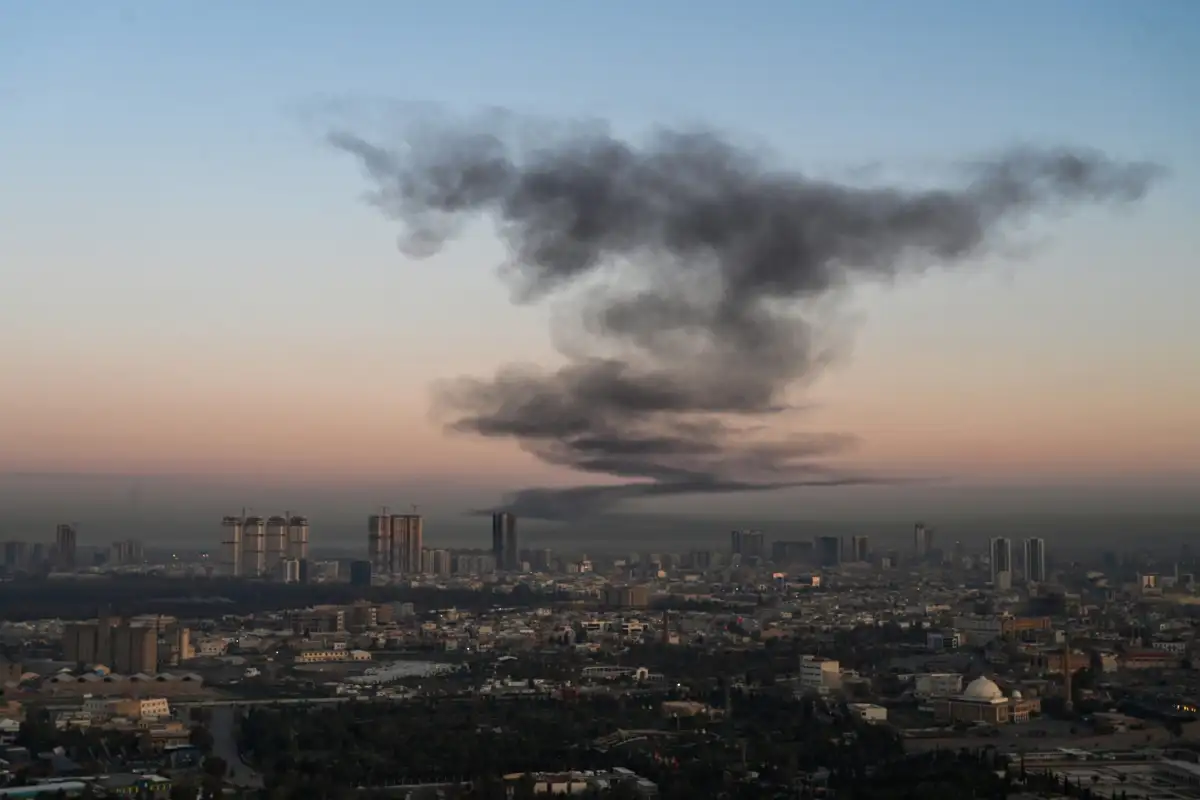
The disruption stemmed from air strikes on military targets in Iran, confirmed by Israel, which triggered regional instability and the subsequent shutdown of Qatari airspace. Passengers aboard Flight AA120, many en route to connect to onward flights to cities like Lahore, Dhaka, Kathmandu, and Islamabad, found themselves abruptly returned to Philadelphia. The airline reportedly pushed crew duty time limits to facilitate the return, a move underscoring the logistical challenges posed by the unforeseen airspace closure.
Read More: Margaret River Named World's Best Wine Place
Stranded and Adrift
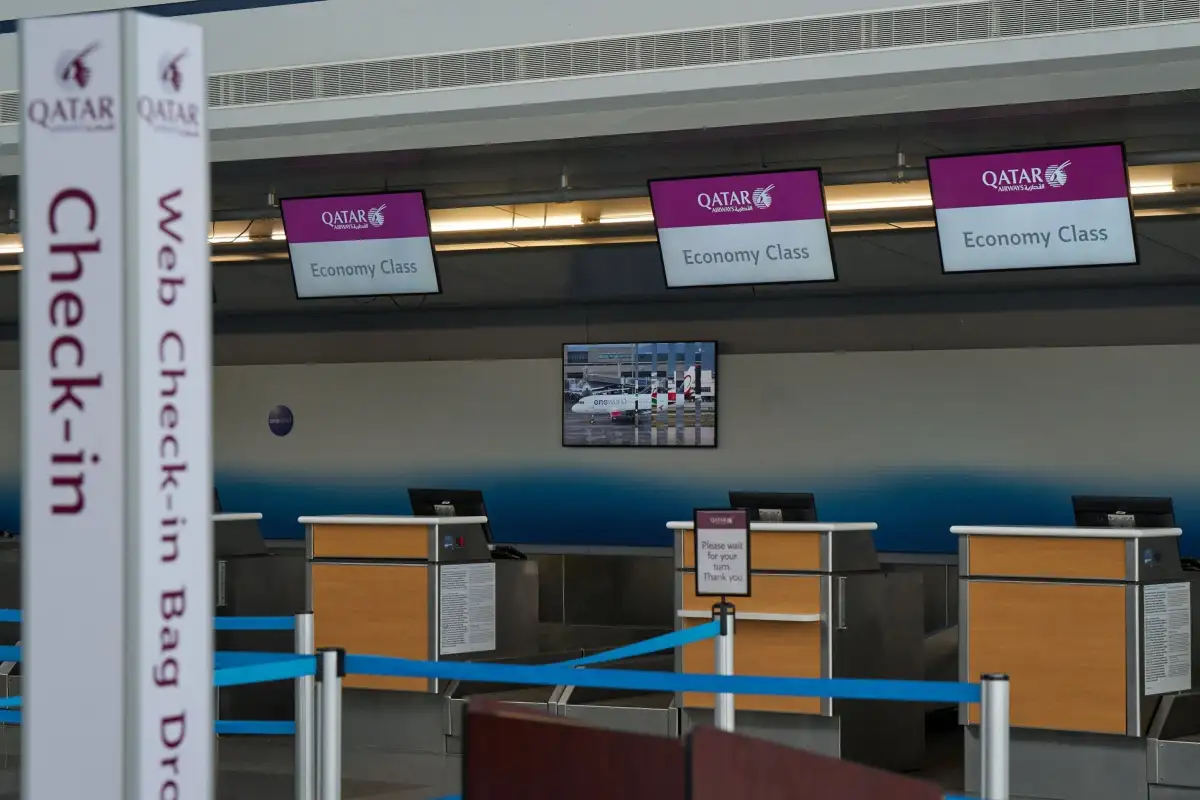
Beyond the immediate spectacle of the diverted flight, hundreds of thousands of travelers found themselves stranded across the Middle East. Commercial air traffic through the region faced widespread suspensions for days, leaving tourists and business travelers in limbo. Airlines like Emirates and Etihad operated a limited number of repatriation or repositioning flights, a far cry from their regular schedules.
In some instances, stranded Americans reported a lack of direct assistance from the U.S. government, relying instead on informal networks like WhatsApp groups and help from friends. While the State Department stated that government-chartered repatriation flights began returning individuals, some individuals expressed disappointment with the initial response.

Hotels and Uncertainty
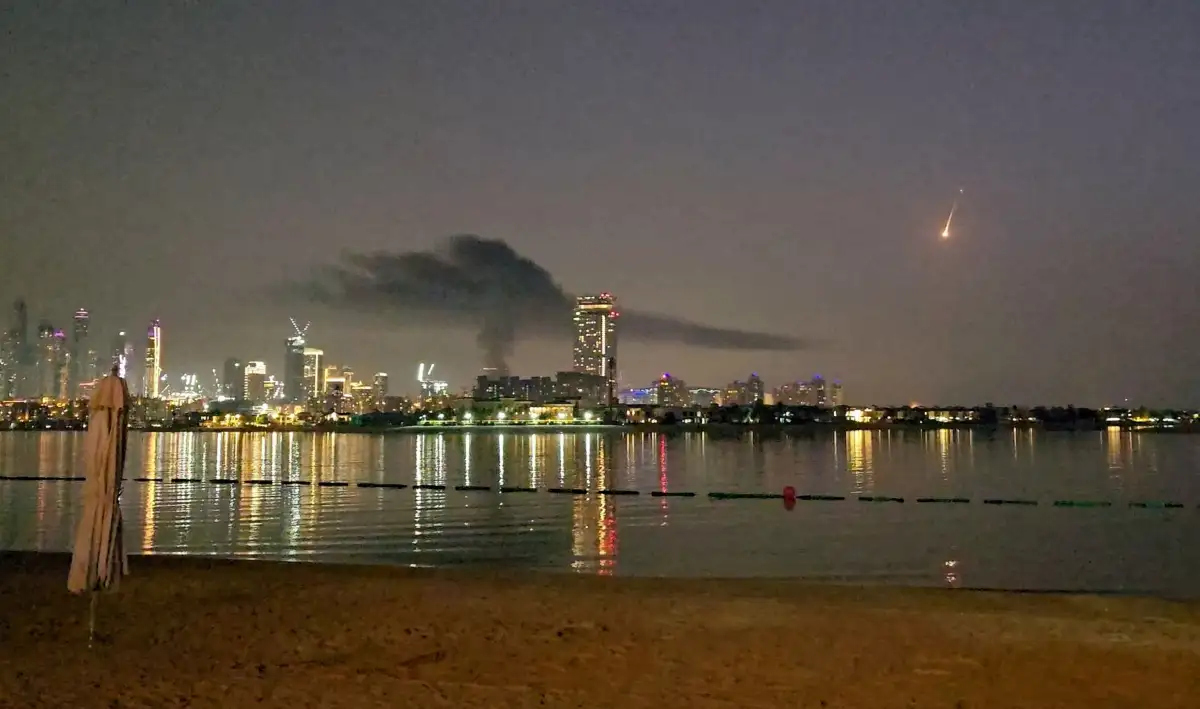
The impact extended to the ground, with hotels and airports becoming makeshift holding centers for those caught in the travel paralysis. Incidents, including a drone strike at Zayed International Airport in Abu Dhabi, reportedly causing casualties, further complicated the situation and contributed to airport closures, including at Kuwait International Airport. Dubai International Airport also suspended flights.
Read More: Fresno Airport $85 Million Funding Boost Improves Travel in April 2026
American Airlines has indicated plans to resume its Philadelphia to Doha service, with flights tentatively scheduled to recommence on March 10th. This timeline, however, is contingent on the evolving security situation and the eventual reopening of airspace in the affected region. The "flight to nowhere" served as an immediate, visceral manifestation of a broader geopolitical tremor impacting the very arteries of international transit.