Industry observers are casting considerable doubt on the viability of Amazon's rumored return to the smartphone market, with many citing the unfavorable timing and a history of past failures as significant hurdles. Experts suggest that even with a heavy focus on artificial intelligence, the timing for re-entry into a saturated and shrinking market is particularly challenging.
Doubts Mount Over AI Phone Viability
Recent reports indicate Amazon is developing a new smartphone, internally codenamed 'Project Transformer,' which reportedly centers on an AI-first experience, leveraging its Alexa platform. However, analysts are largely unconvinced, with multiple sources suggesting the venture may face immediate difficulties.
"Industry experts believe this could be 'the worst possible time' for Amazon to re-enter the smartphone market."
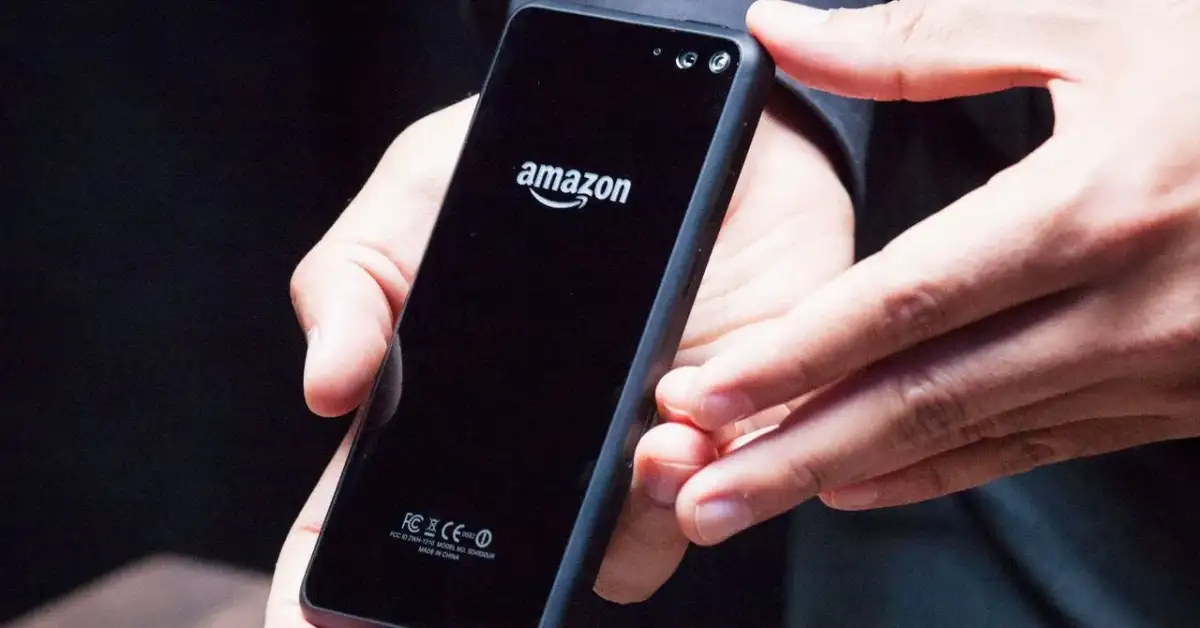
The move comes more than a decade after the widely considered unsuccessful launch of Amazon's Fire Phone. Despite Amazon's significant investments in artificial intelligence, industry insiders are questioning whether AI alone can provide the necessary differentiation in a landscape dominated by established giants like Apple and Samsung.
Read More: Microsoft Invests $10 Billion in Japan for AI and Data Security by 2029
Market Timing and Competitive Landscape
The smartphone market is described as both oversaturated and shrinking, presenting a significant challenge for any new entrant. Amazon's attempt to compete is further complicated by the rapid advancements and aggressive strategies of major players.
Companies like Apple, Google, and Samsung are all deeply integrating AI into their devices.
Industry heavyweight OpenAI, in collaboration with Jony Ive, is reportedly working on its own hardware, signaling a broader industry shift toward AI-driven devices.
One analyst from IDC stated that Amazon "cannot justify entering a market for tens of thousands of units when its business model requires a significantly larger impact."
"Amazon needs to rethink its strategy if it wants to re-enter the oversaturated smartphone market."
Past Failures and Privacy Concerns
The specter of the Fire Phone's commercial failure looms large over this new venture. Despite attempts to entice consumers, such as bundling it with a free year of Amazon Prime, the device did not gain traction.
Beyond market dynamics, Amazon's track record with user privacy is also cited as a potential obstacle. New hardware would need to navigate the company's "checkered history in user privacy."
Read More: Steven Cohen's Firm Buys Amazon Stock, Sees AI Future
"Amazon's pitch this time, reportedly, would center on AI. So where does this leave Amazon? The question is whether anyone wants Amazon back."
Potential Differentiation Strategies
Despite the prevailing skepticism, some analysts acknowledge potential avenues for differentiation. One perspective suggests that the phone could succeed as a specialized AI device, functioning as a "conversational, predictive, and service-driven interface." This approach might lean into the "agentic conversation" trend, drawing parallels to devices like the Light Phone, which offered a more focused functionality.

Amazon's leadership under Panos Panay is seen as a positive factor in rethinking hardware strategy. Furthermore, leveraging its Project Kuiper satellite network could offer a "unique value proposition," particularly in combination with a proprietary operating system like Vega OS.
"Amazon will likely need to leverage aggressive pricing—perhaps even subsidizing the hardware entirely through Prime memberships—to gain a foothold."
The core ambition, according to observers, is not just about selling hardware, but about "controlling the interface through which consumers interact with the world," potentially offering more control over user data compared to existing smartphone ecosystems where Alexa primarily operates within fixed home devices.
Read More: Some Stocks Get Attention, Others Are Ignored by Market Analysts