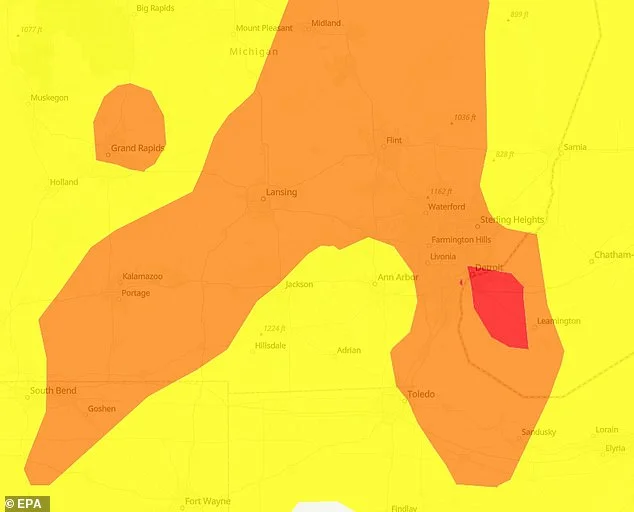
Thousands of Americans in several states have been advised to stay indoors due to deteriorating air quality. Alerts have been issued by agencies including the U.S. Environmental Protection Agency (EPA) and the National Weather Service (NWS), citing levels of air pollution deemed unhealthy for widespread exposure. These advisories cover large populations and suggest potential health risks, particularly for sensitive groups.
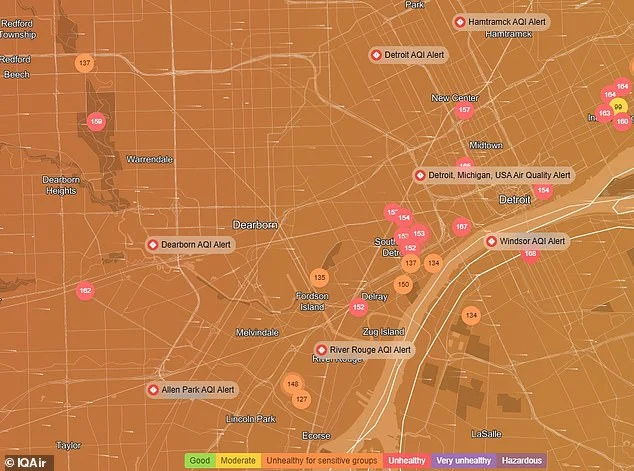
The air quality scale, which ranges from 0 to 500, classifies levels based on risk.

0-50: Good, little risk.
51-100: Moderate, may affect sensitive individuals.
101-150: Unhealthy for sensitive groups, increased risk.
151-200: Unhealthy, impacts everyone, limits outdoor activity.
Above 200: Very unhealthy or hazardous.
The recent advisories have highlighted varying AQI readings across affected regions, with some areas experiencing levels well above 150, placing them in the "unhealthy for all" category.
Extent of Air Quality Alerts
Reports indicate air quality concerns have impacted multiple regions across the United States, with specific advisories issued for:
Read More: Pakistan Works Hard to Stop Polio

Michigan: Detroit and the surrounding Great Lakes region experienced air quality indexes (AQI) surpassing 150, with some areas reaching near 170. Dense fog was cited as a factor in trapping toxins near ground level.
Georgia and South Carolina: Augusta, Georgia, and neighboring areas in South Carolina saw AQI readings of 166, classified as unhealthy for all residents.
Oregon: Multiple areas, including Lake County and southern Deschutes County, faced air quality advisories. Stagnant air and light winds were identified as reasons for trapping pollutants, including smoke. AQI levels in some parts of Oregon were reported as unhealthy or hazardous for vulnerable individuals.
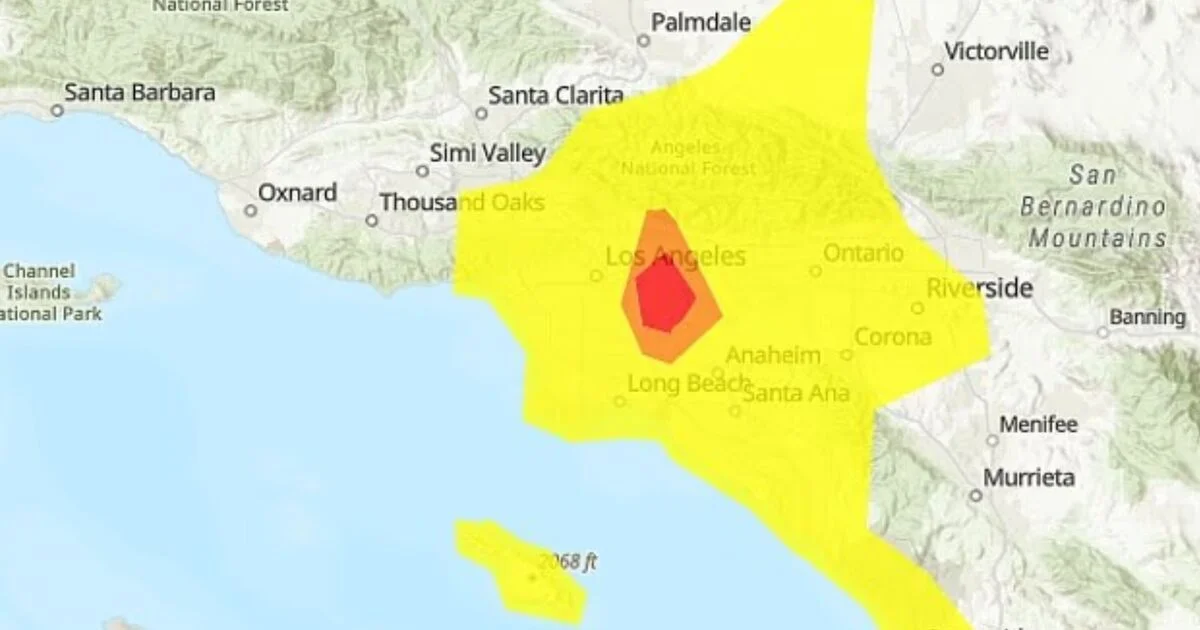
California: Portions of California, including Los Angeles, recorded AQI levels reaching 170, also classified as unhealthy for all residents. Los Angeles was noted as the most polluted city in the U.S. at one point.
Arizona: The Phoenix metro area experienced hazardous air quality conditions.
Montana, North Dakota, South Dakota, Minnesota, and Kansas: Residents in these states contended with potentially hazardous air pollution levels.
Factors Contributing to Poor Air Quality
Several factors have been identified as contributing to the widespread decline in air quality:
Read More: Vaikom Ferry Terminal Now Uses Solar Power for Boats
Stagnant Weather Patterns: Light winds and stagnant air conditions, often combined with high-pressure systems and temperature inversions, are repeatedly cited for trapping pollutants near the ground. This prevents the natural dispersal of airborne contaminants.
Wildfires: In some instances, air quality deterioration has been linked to wildfires, which release smoke and particulate matter into the atmosphere.
Heatwaves: Extreme heat events have coincided with some air quality advisories, compounding environmental stressors.
Health Implications and Official Recommendations
The primary recommendation from issuing agencies is for residents to stay indoors to minimize exposure to poor air quality. The elevated levels of particulate matter (PM2.5) and other toxins are associated with potential health effects.
"Thousands of residents in Michigan and the surrounding Great Lakes region have been warned to stay indoors as a plume of dangerous toxins blankets the US." - Article 1
"The EPA is warning thousands of Americans about “unhealthy” air quality levels on both the East and West coasts that could lead to “serious health effects.”" - Article 4
"Experts caution that poor air quality poses increased health risks for vulnerable groups, including the elderly, children and those with respiratory conditions." - Article 8
Read More: New Vegan Hair Product Makes Hair Shinier and Easier to Brush
PM2.5: Fine particulate matter is of particular concern. These tiny particles can penetrate deep into the lungs and have been linked to serious health issues, including respiratory and cardiovascular problems.
Vulnerable Populations: Children, the elderly, and individuals with pre-existing respiratory or heart conditions are at higher risk of experiencing adverse health effects from exposure to poor air quality.
Symptoms: Even healthy individuals may experience symptoms like eye irritation, coughing, or difficulty breathing during severe pollution episodes.
Regulatory Context and Controversy
The advisories come at a time when the EPA's approach to estimating the value of health benefits from air quality regulations has drawn scrutiny.
"The EPA's decision to stop estimating the monetary value of the health benefits resulting from its PM2.5 regulations due to uncertainties in the estimate. According to an EPA spokesperson, the agency will still consider the impacts of fine particulate matter and ozone emissions on human life, but “it will not be monetizing the impacts at this time.” That decision has quickly drawn criticism, as experts say it appears the Trump administration is placing “zero value on human life.”" - Article 4
Read More: Roosevelt Family Asks to Protect Public Lands
Critics argue that this stance devalues human life by no longer quantifying the monetary benefits of reducing pollutants like PM2.5. An environmental economist was quoted stating, "The Trump administration is saying, literally, that they put zero value on human life."
Conclusion and Next Steps
Current evidence indicates widespread air quality degradation across various U.S. states, necessitating public health advisories for residents to remain indoors. The combination of stagnant weather patterns and potentially other contributing factors has created conditions where pollution levels are deemed unhealthy. Official agencies continue to monitor air quality and issue alerts as conditions evolve. The health impacts, particularly for vulnerable populations, remain a significant concern. The ongoing debate surrounding the EPA's regulatory valuation adds another layer to the discussion on air quality management and its perceived impact on public well-being.
Read More: University of Hyderabad and MNJ Cancer Center Join Hands for Better Cancer Research
Sources:
Article 1: Stay indoors alert for thousands of Americans as toxins fill the air. (Published 14 hours ago). https://www.dailymail.co.uk/sciencetech/article-15564275/Stay-indoors-advisory-Americans-toxins-air.html
Article 2: Americans in 3 states warned not to leave their homes as toxic air alert issued. (Published Jan 13, 2026). https://www.the-sun.com/news/15776903/air-quality-alert-georgia-south-carolina-oregon/
Article 3: Hundreds of thousands told to stay inside in 4 states. (Published Jun 4, 2025). https://www.newsweek.com/hundreds-thousands-told-stay-inside-4-states-2080676
Article 4: Americans told to 'stay inside' as air fills with lung-penetrating toxins. (Published Jan 21, 2026). https://www.the-express.com/news/weather/196863/americans-stay-inside-advisories-air
Article 5: Americans across three US states told to stay indoors as air fills with toxins linked to heart attacks. (Published Jan 13, 2026). https://londonmail.co.uk/2026/01/13/americans-across-three-us-states-told-to-stay-indoors-as-air-fills-with-toxins-linked-to-heart-attacks/
Article 6: Three states urge people to stay indoors amid air quality alerts and heatwave. (Published Jun 19, 2025). https://www.themirror.com/news/us-news/three-states-urge-people-stay-1218164
Article 7: Americans under 'stay inside' advisories as air fills with toxins. (Published Jan 21, 2026). https://www.dailymail.co.uk/sciencetech/article-15484509/Americans-stay-inside-advisories-air-lung-toxins.html
Article 8: Americans told to stay indoors in 5 states. (Published Jun 11, 2025). https://www.newsweek.com/americans-told-stay-indoors-5-states-2083994
Read More: Scientists Ask Tamil Nadu Leader to Stop Mamallan Water Project