As of 18/05/2026, the reliance on generalist large language models (LLMs) like ChatGPT and Gemini for visual generation is undergoing critical scrutiny. While major platforms continue to iterate—such as the recent introduction of gpt-image-2—market alternatives are increasingly positioning themselves as specialized, professional-grade tools for image production rather than mere chatbot add-ons.
The primary shift in the current landscape is a transition from generalist convenience toward platform-specific precision, where dedicated tools offer deeper control over composition, texture, and commercial viability compared to standard chatbot prompts.
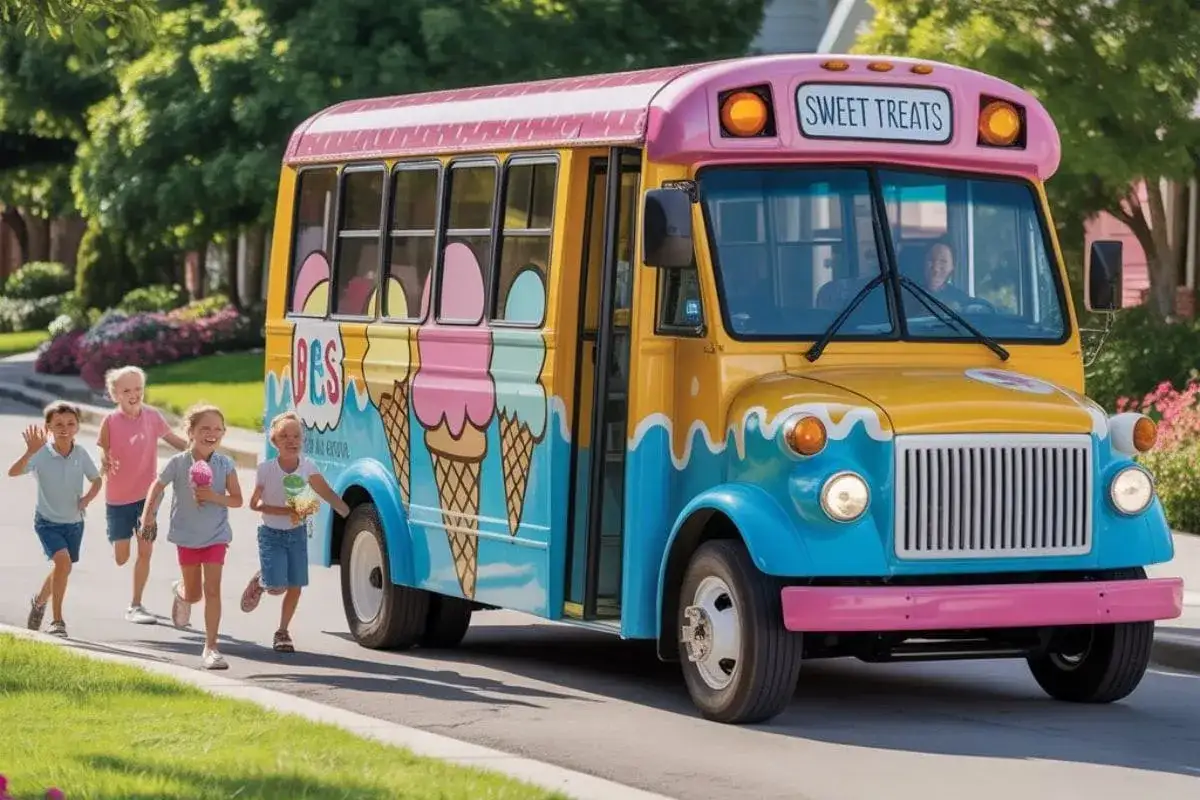
Comparative Landscape of Current Generation Tools
| Platform | Primary Strength | Typical Use-Case |
|---|---|---|
| Adobe Firefly | Granular control/Ethics | Professional commercial design |
| Flux | Prompt adherence/Quality | Advanced creative workflows |
| Ideogram | Multi-model versatility | Complex rendering/Typography |
| Microsoft Designer | Ecosystem integration | Productivity/Social media |
| ChatGPT (DALL·E 3) | Conversational ease | Rapid iteration/Conceptualizing |
Core Divergences in Generation
Data trends observed from early 2025 through the spring of 2026 suggest that users are prioritizing distinct technical outcomes:

Accuracy vs. Convenience: While ChatGPT and Gemini excel at generating images via simple conversational interfaces, reports indicate that models like Adobe Firefly provide superior administrative control, which is necessary for high-stakes creative work.
Workflow Integration: Platforms such as Canva and Microsoft Designer have effectively captured users who prioritize design context and templates over raw generation capabilities.
Model Evolution: Updates like Gemini Nano and gpt-image-2 illustrate that tech incumbents are treating image generation as a peripheral "support" feature of the broader LLM, rather than a primary product.
The Problem of the "Generic" Output
The argument for ditching mainstream chatbots in favor of dedicated image platforms often stems from a fatigue with "model-specific aesthetics." Users are increasingly seeking alternatives to bypass the default biases of DALL·E 3 or Gemini's filtering, looking instead toward platforms like Flux or open-source ecosystems that allow for higher customization.
Read More: New MCP Server Offers Clear AI Rules for Compliance
"The challenge is no longer about getting an image from text, but managing the 'workflow'—the prompt engineering, the upscaling, and the final refinement—which generic chatbots often obfuscate." — Technical observations on current AI deployment.
Historical Context
Throughout 2025, the industry saw an explosion of "free" AI generation, causing the market to be flooded with general-purpose tools. By the start of 2026, the focus shifted from simple availability to utility and output control. Early comparisons focused on text rendering and basic prompt following, but current scrutiny is centered on whether a model can sustain a professional creative cycle without degrading image quality through repetitive, "AI-looking" artifacts.