

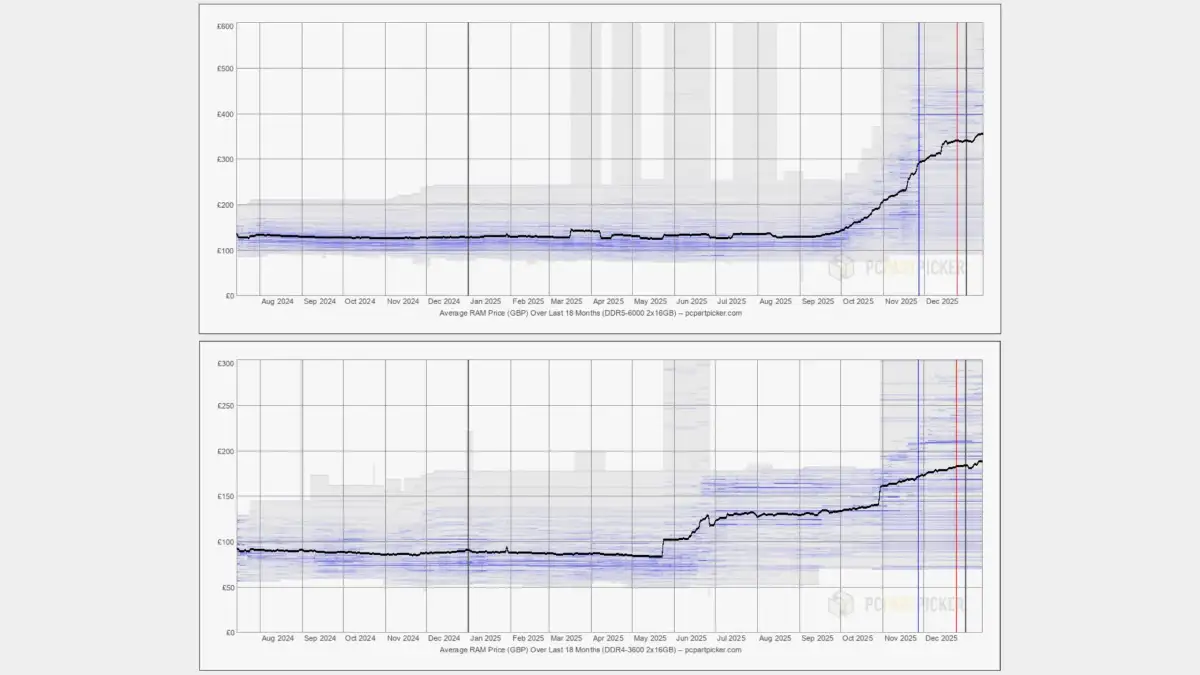
Components on the precipice as production shifts towards artificial intelligence demands.
The market for essential computer components, specifically RAM and potentially GPUs, faces an upward price trajectory. This escalation is directly linked to a surge in demand from the artificial intelligence sector, which necessitates a significant portion of available memory production. Memory manufacturers, responding to this lucrative and growing market, are diverting existing production lines. This strategic shift directly impacts the supply of memory crucial for consumer-grade GPUs, and by extension, the graphics cards themselves.
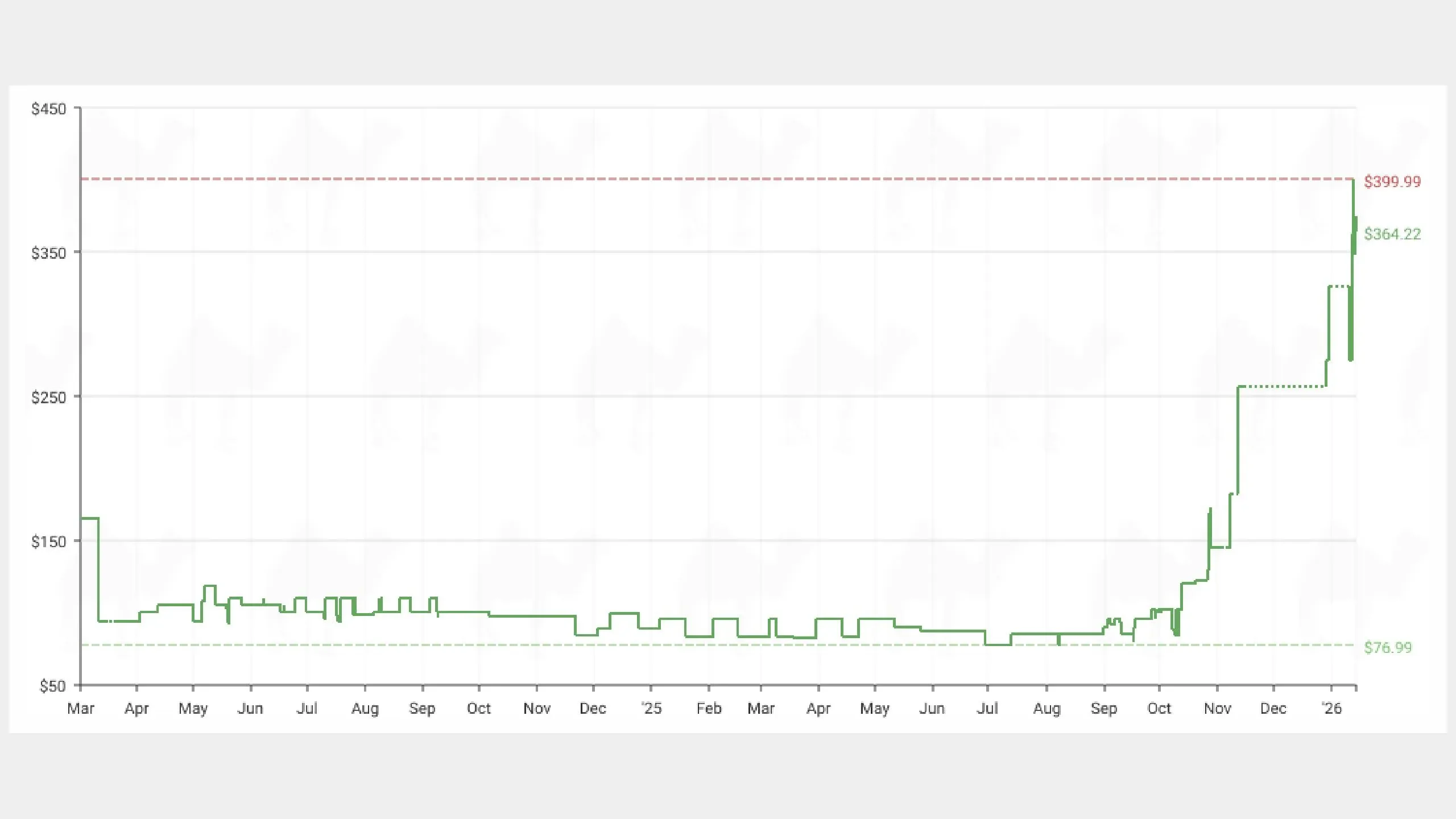
The fundamental dynamic at play is a diversion of memory production capacity towards AI-specific needs, leading to reduced availability for consumer hardware and an inevitable price hike.
The ramifications are already being felt. While the memory utilized in AI data centers differs from that found in graphics cards, the industry's pivot is undeniable. This means fewer resources are allocated to manufacturing the DRAM used in standard RAM modules and NAND flash for SSDs. Consequently, the supply for these components dwindles, pushing prices higher. This trend is also anticipated to extend to GPUs, as the specialized memory they require becomes scarcer and more expensive.
Read More: Jane Street's Profit Doubles to $10.3 Billion Due to AI
The ripple effect: from data centers to desktops
The situation paints a picture of an industry grappling with competing demands. The very technology that promises advanced computing capabilities is also creating scarcity for the hardware that powers everyday computing.
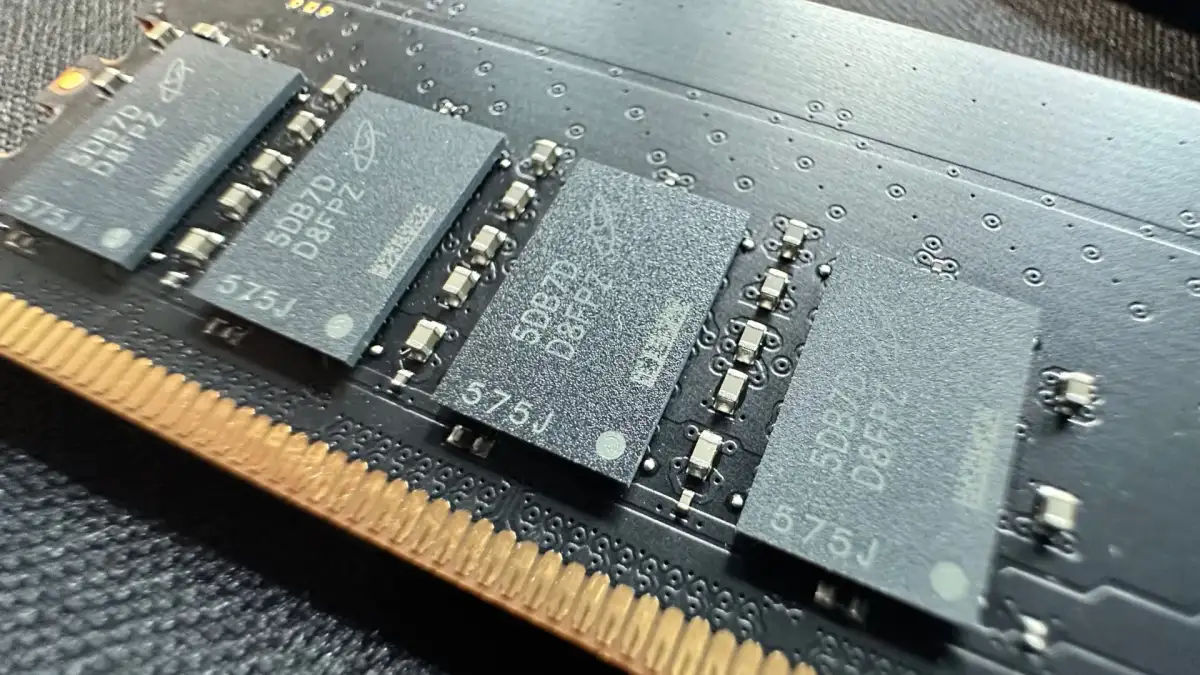
AI's Data Thirst: Artificial intelligence systems, particularly those involving large language models and complex simulations, require vast amounts of high-bandwidth memory. This insatiable need is the primary driver behind the increased demand.
Production Realignment: Memory manufacturers, driven by market forces and the promise of sustained demand from the AI sector, are reallocating their production capabilities. This is a calculated business decision, prioritizing the more lucrative and growing AI market.
Consumer Hardware Squeeze: The direct consequence for the average consumer is a tightening supply of RAM, SSDs, and the prospect of pricier GPUs. The cost of building or upgrading a PC is therefore set to increase.
A wider context: the evolving hardware landscape
This phenomenon is not an isolated incident but rather a reflection of the current state of hardware manufacturing and the burgeoning influence of artificial intelligence. The interplay between technological advancement and market economics creates these complex, often unexpected, outcomes. The industry's capacity to produce these critical components is finite, and market demands will invariably dictate where that capacity is directed. The ongoing "memory shortage" appears poised to persist as long as AI development continues its current trajectory.


