The coasts of Africa are witnessing a surge in sea levels that outpaces the worldwide trend. This escalation points to a complex interplay of warming ocean waters, which expand as they heat up, and additional water mass entering the oceans from melting ice sheets and glaciers.
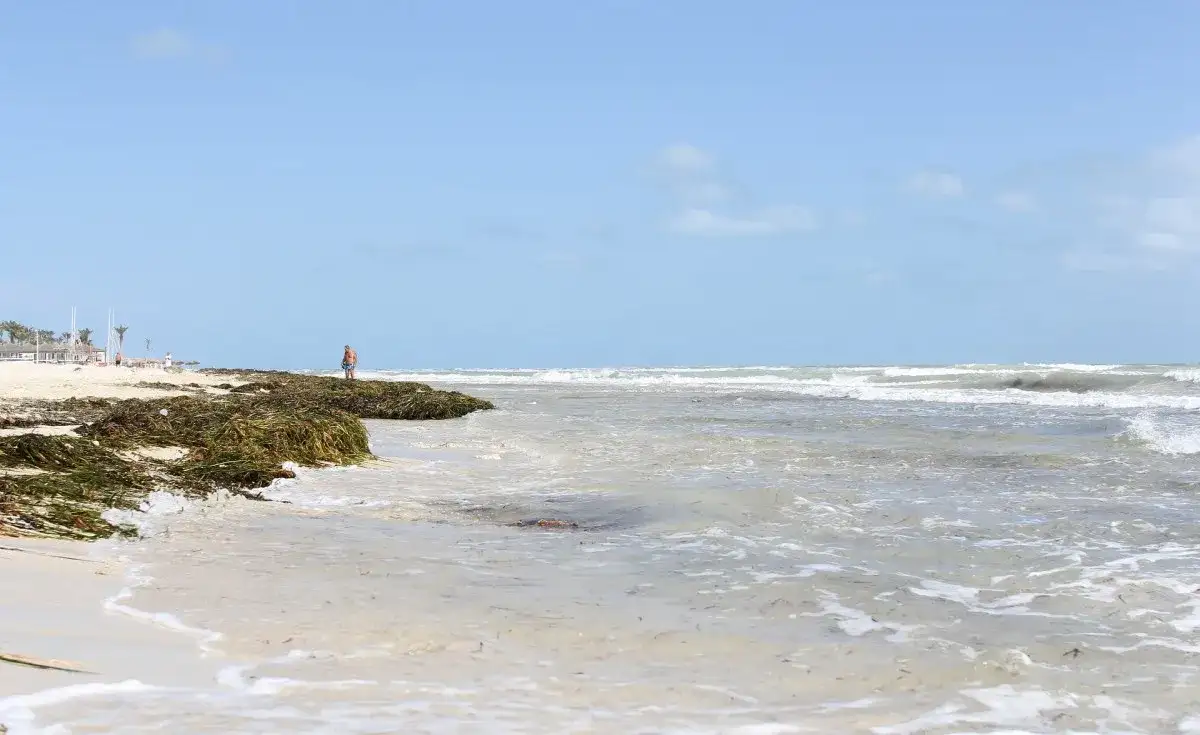
This accelerated rise around Africa presents immediate dangers to coastal communities. The projected consequences include increased flooding, accelerated coastal erosion, and the contamination of vital freshwater sources and agricultural lands by saltwater.
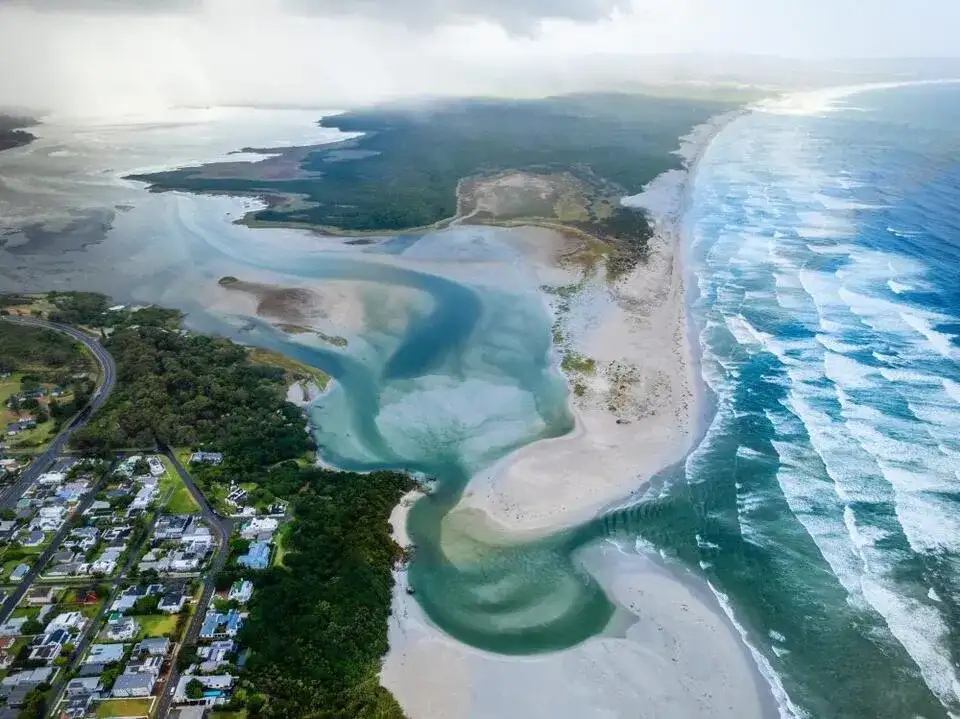
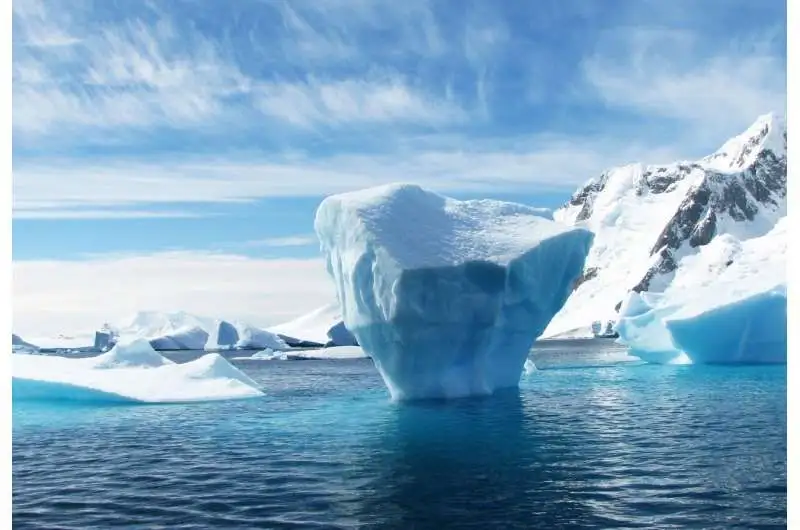
"Two main factors drive sea level rise globally. First, as ocean water warms, it expands. Second, melting glaciers and ice sheets in Greenland and Antarctica add water mass to the oceans."
The phenomenon is not solely about a general increase in ocean heat. Specific oceanic conditions along Africa's coast appear to be amplifying the effect. An already warmer ocean experienced further heating, reportedly exacerbated by an El Niño event. This additional heat has led to more pronounced ocean layering, a situation where heat becomes trapped in deeper water, further contributing to expansion and thus, sea level rise.
Read More: Amazon Land Use Changes Cause Disease Clusters in Brazil
"The ocean was already warm, and El Niño added even more heat to it. More heat led to stronger layering, and stronger layering trapped even more heat."
Addressing this requires a more robust understanding of the ongoing changes. Experts suggest a need for expanded ocean monitoring networks across African nations. Such systems are crucial for accurately tracking these shifts and providing timely warnings to vulnerable populations. Current measurements often rely on comparing sea levels to a fixed reference point, using data from satellites to gauge the distance to the ocean surface.
BACKGROUND
The observed changes in sea level are intrinsically linked to broader planetary warming. Satellite observations, such as those tracked by organizations like NASA, are instrumental in monitoring these global changes and their underlying causes. These observations contribute to complex models simulating various Earth systems, including ice melt, sea level fluctuations, and geological shifts. The implications of these rising waters extend beyond immediate environmental impacts, posing significant geopolitical and economic challenges for nations reliant on their coastal resources.
Read More: Fikra API Africa Mobile Money AI Access for Developers