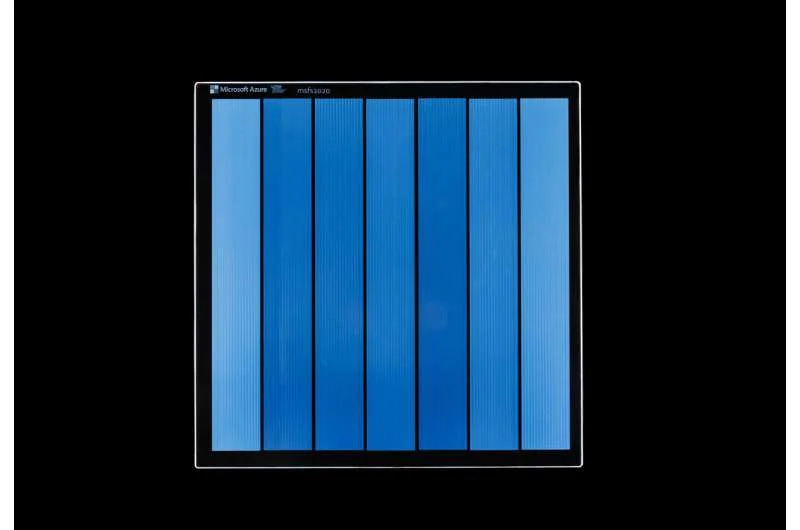
A team at Microsoft has developed a new method for storing digital information that they claim can remain readable for at least 10,000 years. This development addresses the growing need for long-term data preservation, a significant challenge in the current digital age. The system utilizes laser-etched glass to encode data, offering a durable and potentially low-cost solution for archiving information over vast timescales.
Background of Long-Term Data Preservation
The explosion of digital data presents a substantial challenge for long-term storage. Traditional methods, such as hard drives and cloud storage, are often susceptible to degradation and require continuous maintenance and energy. This has spurred research into more robust archival solutions.
Digital Data Growth: The sheer volume of data generated daily continues to increase, demanding scalable and enduring storage options.
Limitations of Current Systems: Existing storage technologies have finite lifespans and often rely on controlled environments, leading to ongoing costs and potential data loss.
Exploration of Novel Materials: Researchers have explored various materials for long-term data storage, including DNA and specialized optical media.
Microsoft's Glass Storage Technology
Microsoft's proposed solution uses fused silica glass as a medium for data storage. The process involves encoding digital data into three-dimensional patterns within the glass.
Encoding Method: Data is converted into symbols, which are then represented as three-dimensional pixels, or voxels, etched into the glass using a laser.
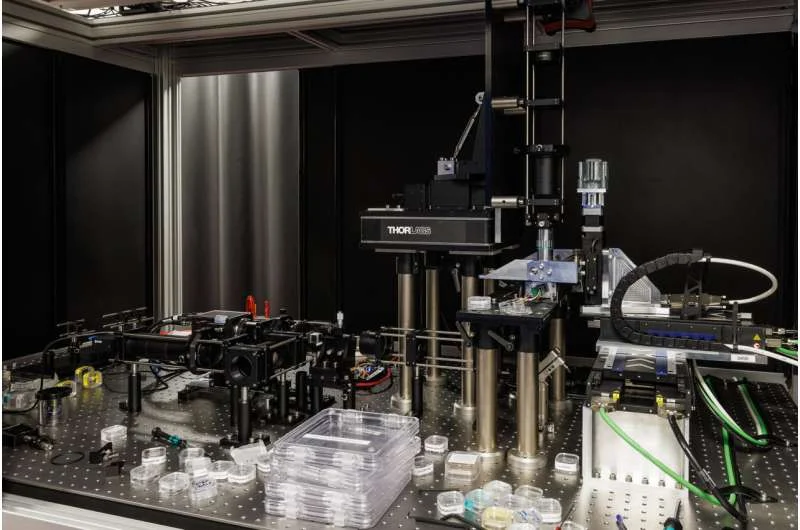
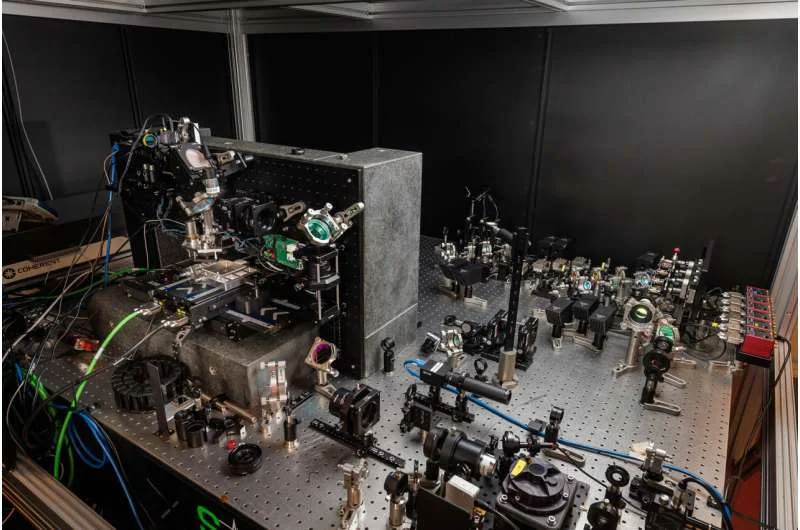
Reading the Data: The encoded data can be read using a microscope that can detect these microscopic deformations.
Capacity: Each glass storage unit can hold up to 4.8 terabytes of data.
Durability and Longevity Claims
The primary assertion by Microsoft is the remarkable longevity of this glass storage system.
Read More: Ex-Google Boss Warns AI Could Create Rich Elite and Poor Majority by 2027
Projected Lifespan: The researchers estimate the glass can survive for over 10,000 years, even at high temperatures (290 degrees Celsius). This suggests an even longer lifespan under typical room temperatures.
Resistance to Environmental Factors: Unlike data centers, the glass medium does not require climate control, potentially saving significant energy. It is also suggested to be resistant to hacking or unauthorized alteration.
Historical Precedent: The underlying physics for laser writing in glass has been a subject of prior research, with glass-based storage already holding a Guinness World Record for durability.
Comparison to Other Archival Storage Concepts
The glass storage method is one of several concepts being explored for long-term data archiving.
| Method | Material | Encoding Basis | Potential Longevity | Maintenance Needs |
|---|---|---|---|---|
| Microsoft | Fused Silica Glass | Laser-etched 3D patterns | 10,000+ years | Minimal (no climate control) |
| DNA Storage | Deoxyribonucleic Acid (DNA) | Chemical sequences | Potentially millennia | Controlled temperature/humidity |
| Microfilm | Photographic film | Light patterns | Centuries | Protection from light/humidity |
Expert Perspective
While the details provided by Microsoft are promising, the practical implementation and widespread adoption of such technology would involve further scrutiny. The durability claims are based on accelerated aging tests and extrapolations, which are standard scientific practices but still require real-world validation over extended periods. The accessibility of reading data, which relies on specialized microscopy, is another factor to consider for future usability.
The core innovation lies in encoding digital data as microscopic physical alterations within a highly stable material, offering a pathway to preserve vast amounts of information beyond human historical records.
Findings and Implications
Microsoft's development of laser-etched glass storage represents a significant step toward addressing the challenge of long-term digital data preservation. The technology promises extreme durability and independence from energy-intensive environmental controls, making it an attractive option for archival purposes.
Read More: New Microbe with Tiny Genome Challenges Definition of Life in 2025
Potential Impact: This could revolutionize how scientific research, cultural heritage, and historical records are preserved for future generations.
Further Research: Continued research will likely focus on increasing data density, improving read/write speeds, and developing standardized protocols for data retrieval.
Accessibility: Ensuring that future civilizations or technologies can reliably access and interpret the data stored in this format will be a crucial consideration.
Sources Used: