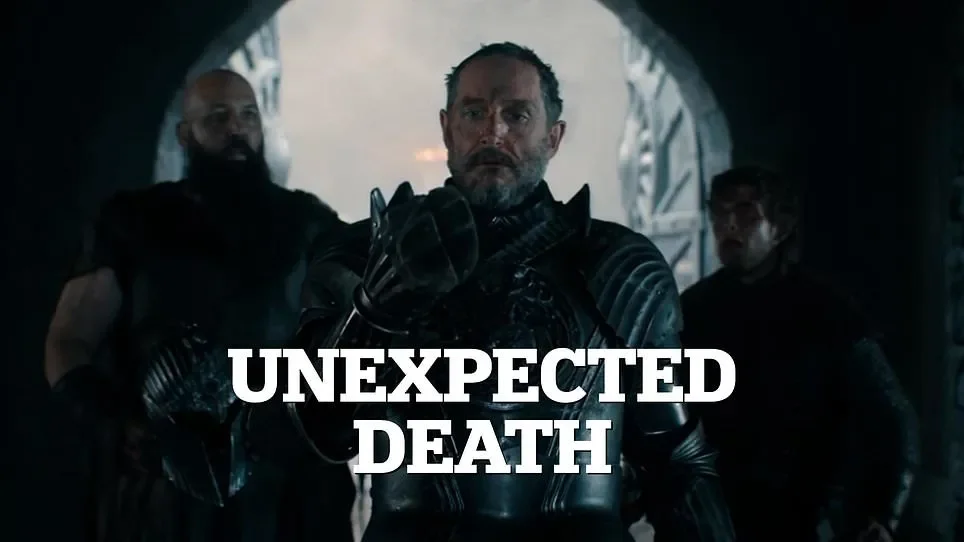
The recent death of Ser Baelor Targaryen, a character in the Game of Thrones spin-off "A Knight of the Seven Kingdoms," has been explained by trauma surgeons. The focus is on a severe head injury sustained during a fight, and whether a critical error in judgment may have led to his demise. The incident highlights the brutal reality of combat depicted in the series and has prompted discussion among fans.
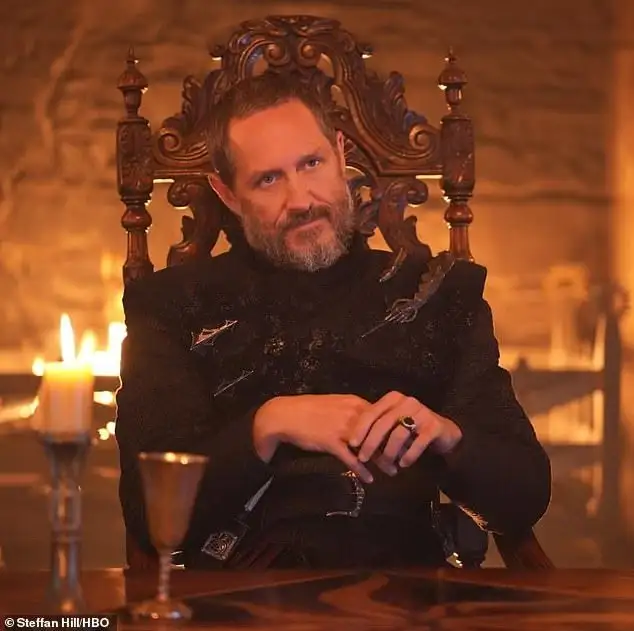
The death of Ser Baelor Targaryen has been attributed to severe head trauma, with medical experts detailing how a skull fracture, even without direct brain penetration, can be fatal due to internal bleeding and pressure.
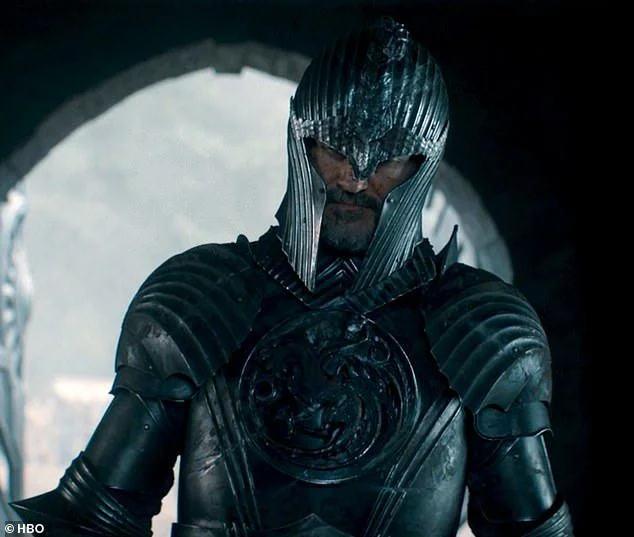
Baelor's Fatal Blow
Ser Baelor Targaryen's death occurred during a conflict in "A Knight of the Seven Kingdoms." Reports indicate he sustained a severe head wound. Trauma surgeons have weighed in on the physiological effects of this injury.
Read More: Dutton Ranch Show Launched on Paramount+ in May 2024
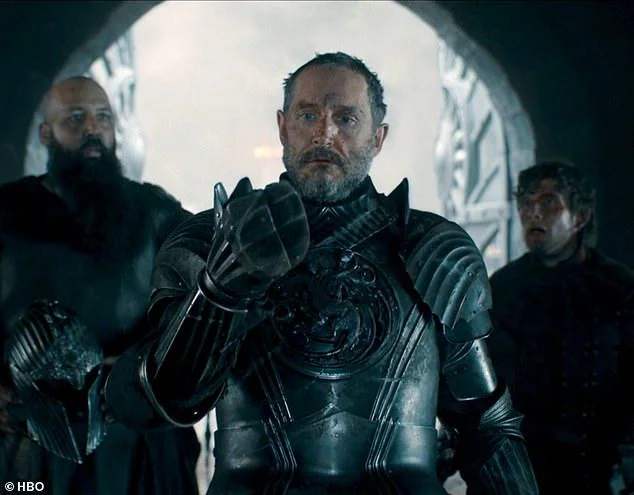
The Injury: Baelor's skull was split open, revealing his brain. This was a result of a direct blow to the head.
Helmet's Role: It is suggested that his helmet, borrowed from his son, initially offered some protection by acting as a splint and slowing blood flow. However, this protection was temporary.
Cause of Death: Surgeons explain that even without direct damage to brain tissue, a severe skull fracture can cause lethal internal bleeding and pressure on the brain. The removal of the helmet exacerbated the bleeding, leading to his rapid death.
"The helmet didn't save him, just delayed the inevitable. If the helmet was left on indefinitely, he'd have the same thing happen."
Critical Decision Point
A key aspect of the narrative is the circumstance leading to Baelor's fatal injury. It is reported that Baelor was not prepared for combat and had to use his son's armor, implying he did not expect to be in a fight.
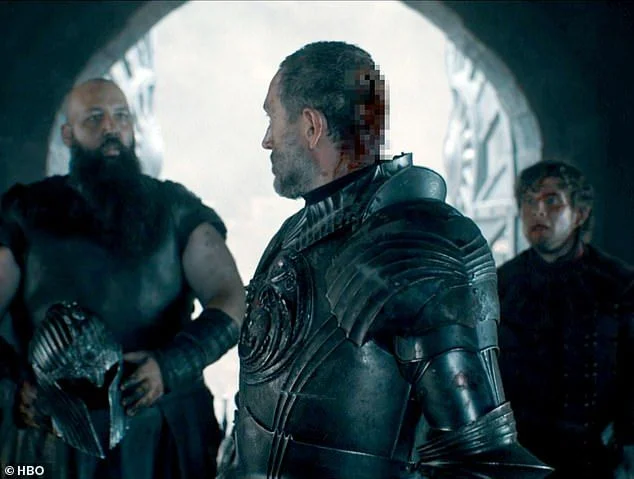
Armor Mismatch: The use of ill-fitting or unsuitable armor is presented as a potential contributing factor.
Unexpected Engagement: Baelor's unpreparedness suggests a miscalculation of the immediate risks, leading him into a situation where he was vulnerable.
"The mistake that likely cost Baelor his life was borrowing his son's armor as he, not expecting to be involved in a fight, didn't bring his own."
Broader Context of Character Deaths
The death of Ser Baelor Targaryen occurs within the established pattern of violent and often shocking character endings in the Game of Thrones universe. This franchise is known for its willingness to kill off major characters, a trait that has resonated with audiences.
Shock Value: The series has often utilized character deaths to create impact and surprise viewers, moving away from traditional narratives where main characters are often protected.
Realism in Violence: Discussions surrounding fictional deaths, such as Baelor's, often involve explanations from medical or military perspectives to underscore the harsh realities of the fictional world. This has been seen before, with other Game of Thrones characters' fates being analyzed for their plausibility.
Fan Engagement: Deaths in Game of Thrones and its spin-offs frequently spark debate and analysis among fans, particularly concerning the characters' final moments and the circumstances surrounding their demise.
"Good-natured characters meeting grisly ends is nothing novel for Game of Thrones."
Expert Commentary on Fatal Head Injuries
Trauma surgeons have clarified the medical mechanics behind Baelor's death.
Skull Fracture Effects: The primary cause of death is identified as intracranial pressure buildup resulting from bleeding within the skull.
Helmet's Dual Role: While the helmet may have offered temporary stabilization, its removal directly preceded the fatal event, indicating that the underlying injury was severe and irreparable in that context.
"He explained that even without direct trauma to Baelor's brain tissue, the massive damage to his skull would cause internal bleeding that would eventually put lethal pressure on his brain."
Delayed but Inevitable: The surgeons suggest that the injury was fundamentally unsurvivable, regardless of the immediate circumstances following the blow.
"Baelor's helmet bought him time as it acted as a splint to hold his skull together and decreased the rate of bleeding, but as soon as it was removed he died in seconds."
Conclusion
The death of Ser Baelor Targaryen in "A Knight of the Seven Kingdoms" has been medically explained as a result of severe head trauma, specifically a skull fracture leading to fatal internal bleeding and pressure on the brain. The circumstances suggest that Baelor's unpreparedness for combat and the use of borrowed armor were significant factors in him sustaining such a grievous injury. The incident aligns with the Game of Thrones franchise's established tradition of depicting brutal and consequential character deaths, with expert analysis providing a stark look at the physiological impact of such severe injuries.
Read More: New Lord of the Rings Film 'Hunt for Gollum' Focuses on Character Mind
Sources
Daily Mail: Surgeons explain shocking death of Game of Thrones spin-off character
Summary context: Provides detailed explanations from trauma surgeons regarding Ser Baelor Targaryen's fatal head injury, including the role of his helmet and the mechanics of skull fractures.
CBR: Game Of Thrones’ 15 Saddest Deaths, Ranked
Summary context: Discusses the general theme of shocking and grisly character deaths within the Game of Thrones series.
Ranker: ‘Game of Thrones’ Deaths That Rocked The Fanbase To Their Core
Link: https://www.ranker.com/list/most-surprising-game-of-thrones-deaths/amelia-brooks
Summary context: Lists significant character deaths from Game of Thrones that impacted viewers, highlighting the show's tendency for surprising fatalities.
Comicbook.com: 10 Most Devastating Game of Thrones Character Deaths Ranked
Link: https://comicbook.com/tv-shows/news/10-most-devastating-game-of-thrones-character-deaths-ranked/
Summary context: Ranks impactful character deaths from Game of Thrones, mentioning the emotional toll such events take on the audience.
Inverse: A Surgeon Says Three 'Game of Thrones' Characters Should Be Dead
Link: https://www.inverse.com/article/35372-game-of-thrones-plot-armor-surgeon-death
Summary context: Features a surgeon's perspective on the realism of injuries in Game of Thrones, touching on characters who might have survived differently in reality.
Looper: The Most Devastating Game Of Thrones Deaths - Looper
Link: https://www.looper.com/793588/the-most-devastating-game-of-thrones-deaths/
Summary context: Details particularly brutal deaths in Game of Thrones and their impact on viewers.
Time: Here Are the 129 People Who've Died on 'Game of Thrones'
Summary context: A comprehensive list of deceased characters from Game of Thrones, providing context for the overall frequency and nature of character deaths.
Whatculture: Game Of Thrones: 10 Saddest Character Deaths
Link: https://whatculture.com/tv/game-thrones-10-saddest-character-deaths
Summary context: Discusses sad and shocking character deaths in Game of Thrones, noting how some deaths serve narrative purposes like establishing threats.

:max_bytes(150000):strip_icc()/Lord-of-the-Rings-Return-King-Gollum-Joker-Folie-a-Deux-Joaquin-Phoenix-051426-3d5e6d22f6a541e2b4c29e12d8a7948d.jpg)