Ticket Prices and Political Climate Dampen Enthusiasm
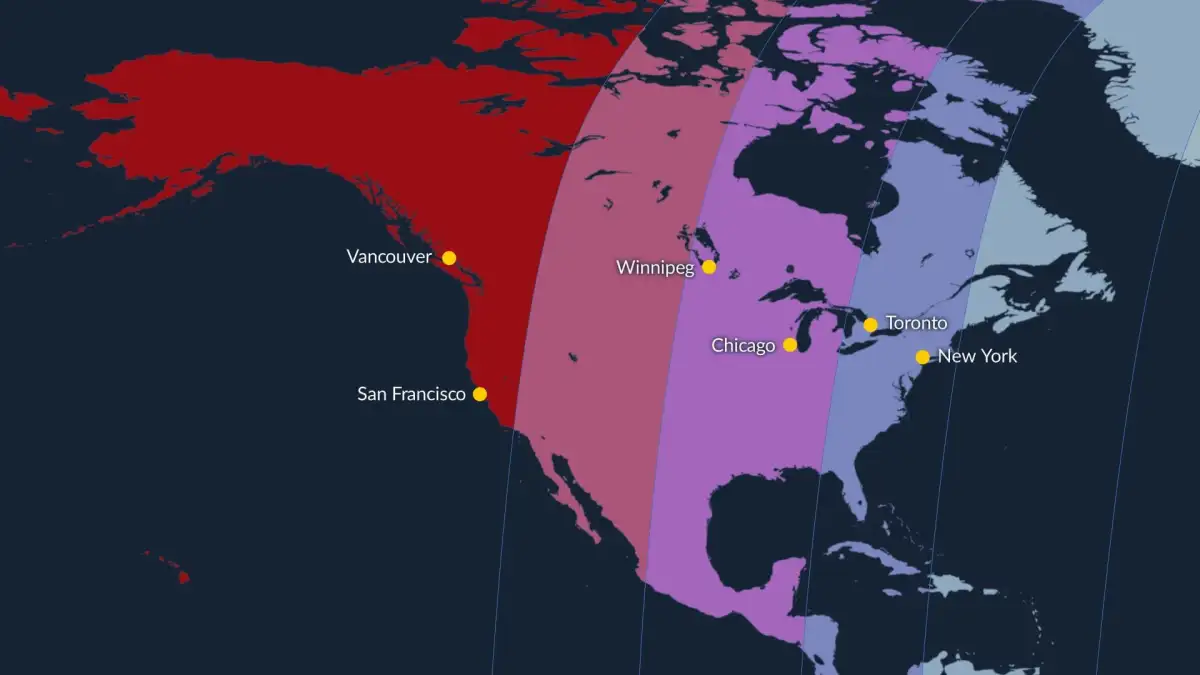
The 2026 FIFA World Cup, co-hosted by Canada, Mexico, and the United States, is set to commence with a backdrop of fan dissatisfaction, primarily fueled by exorbitant ticket prices and lingering political tensions. Some of the most devoted supporters are opting out, finding alternative travel plans rather than endure the financial strain and what they perceive as a less welcoming atmosphere compared to previous tournaments.
Dedicated fans like Tomonori Akutsu, who has attended multiple World Cups, are reconsidering their participation due to the unexpectedly high costs. He and his friends have instead booked a vacation to Portugal.
Organizers appear to have created an environment where even long-time enthusiasts feel alienated.
The exemption of World Cup ticket sales from state and local sales taxes in US host cities, while potentially benefiting organizers, adds another layer to the financial considerations for attendees.
Host Cities and Tournament Structure Draw Mixed Reactions
The draw for the tournament has placed host nations in advantageous positions, with each co-host country's team set to play in their respective home cities during the group stage.

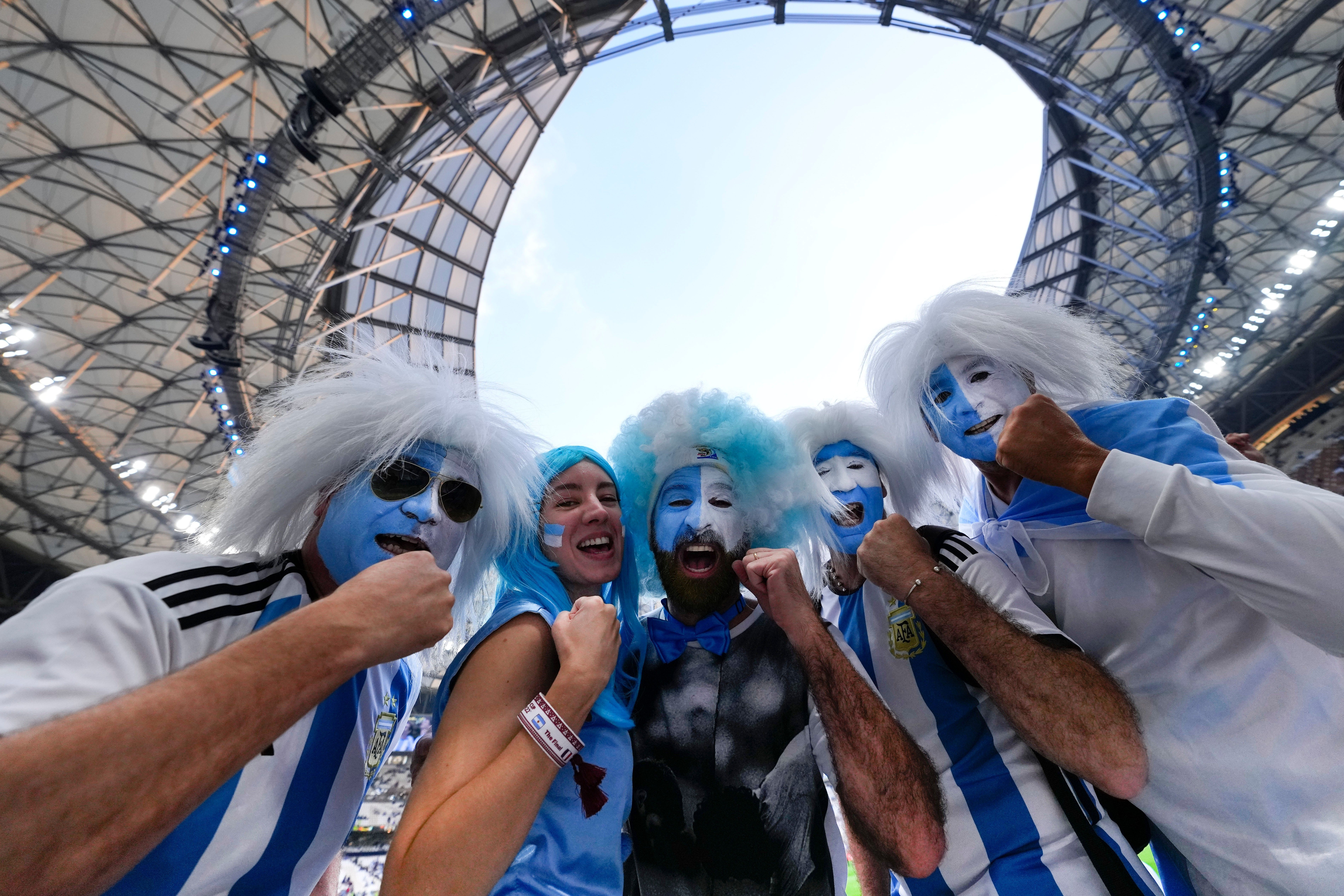
Argentina, the reigning World Cup champion, is slated to begin its campaign in Kansas City, one of the smaller host cities in the United States.
Mexico City and Guadalajara will host the Mexican national team's matches.
Canada will see its men's national team play in both of its host cities during the group stage.
This expansion to 48 teams, increasing the total number of matches from 64 to 104, represents a significant shift in the tournament's scale. The opening match is scheduled for June 11 and the final for July 19 in New York/New Jersey.
Readiness and Infrastructure Under Scrutiny
While organizers express confidence, the recent hosting of the 32-team Club World Cup in the United States has led some fans to question the nation's overall readiness for the larger World Cup spectacle.
Despite being a "stupendous spectacle," the Club World Cup, featuring club teams, does not carry the same nationalistic fervor as the World Cup.
The timing of the World Cup, running from mid-June to mid-July, mirrors that of the Club World Cup, suggesting a continuous period of major soccer events.
However, some observers, like Nathaniel Salhani, a young Canadian soccer enthusiast, and former Brazilian resident Altoe, remain optimistic about the event's potential to unite people and showcase talent transcending borders, despite underlying concerns.
Broadcasts and Commercial Ventures
Media rights for the tournament have been secured by Fox for English-language broadcasts in the US, with NBCUniversal handling Spanish-language coverage. Bell Media will broadcast the games in Canada.
Read More: FIFA World Cup 2026 Revenue Reaches $15 Billion With New Ticket Prices
FIFA's official resale platform launched on October 2, 2025, indicating early stages of ticket distribution.
The tournament has also seen the release of associated video games, including "FIFA Heroes" and licensed content for "Football Manager 26," further embedding the event within a broader digital ecosystem.
Underlying Sentiments and Broader Context
The World Cup, traditionally a source of immense excitement, arrives with a complex emotional and political landscape.
The author of one perspective notes a lack of personal excitement, attributing it partly to the recent heartbreaking loss of his beloved Arsenal in the Champions League final, though he can still celebrate their domestic league championship.
He expresses a hope that the tournament could serve as a counter-narrative to rising anti-immigrant sentiments in the US and UK, highlighting that athletic excellence is not confined by nationality.
Canada, in particular, is experiencing a surge in multicultural pride as the World Cup approaches, with its fans representing a diverse range of global origins. This event marks Canada's third World Cup appearance, and hopes are high for the national team's performance.