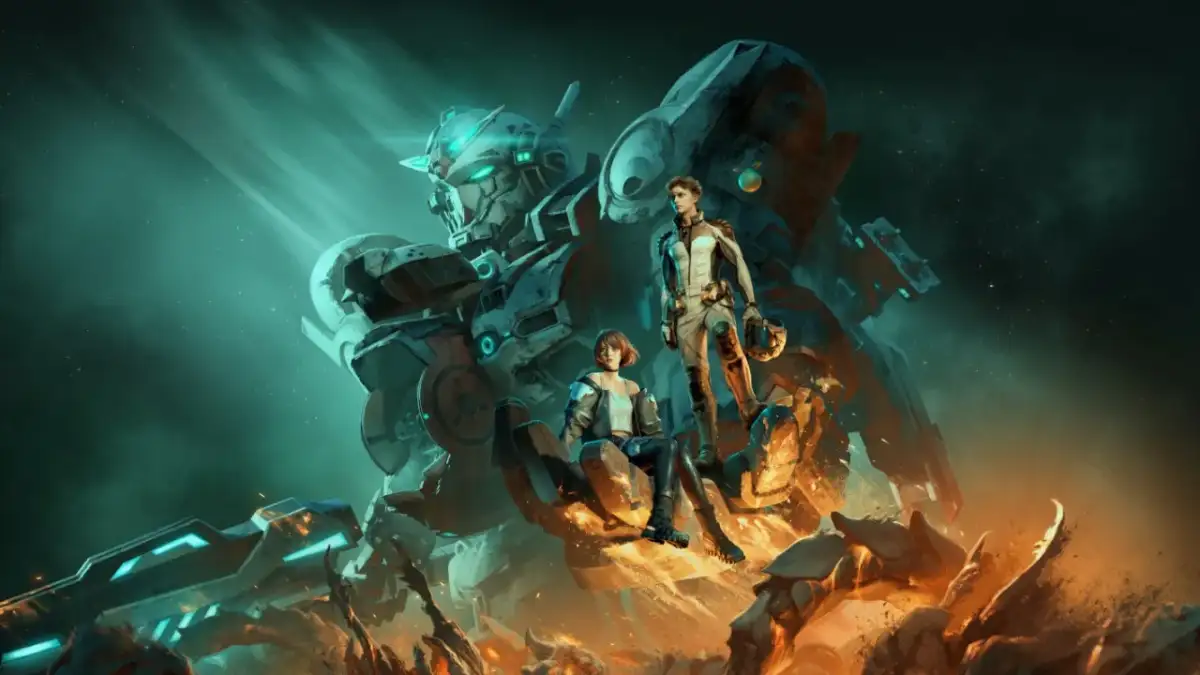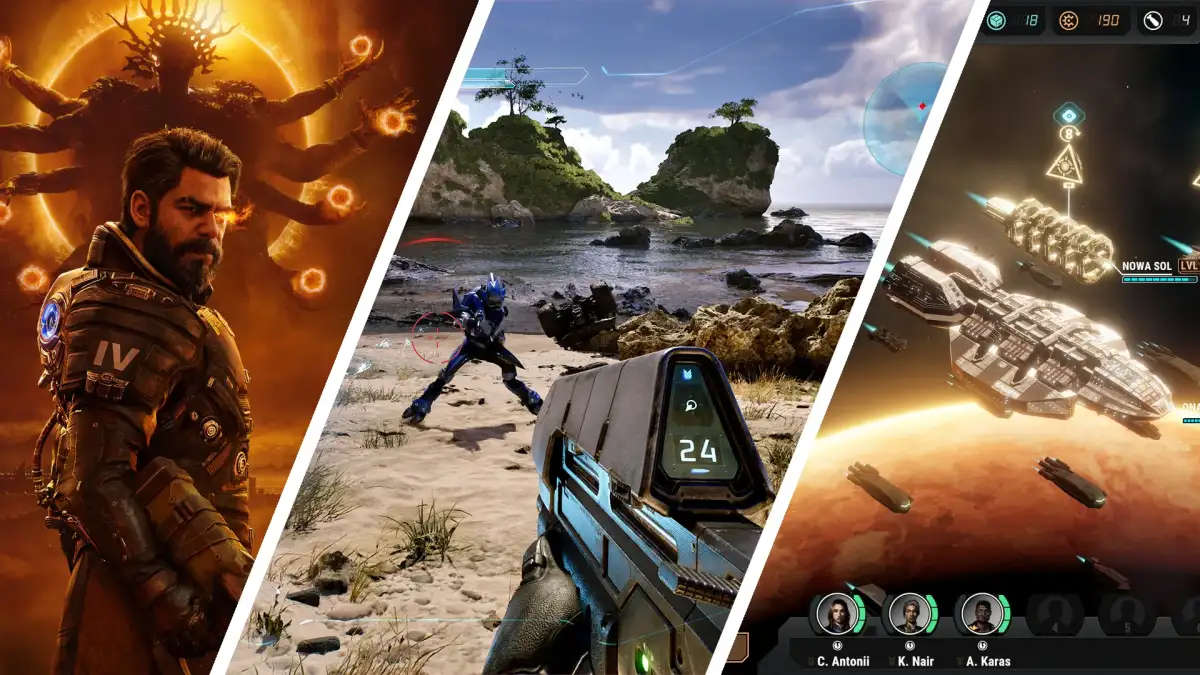
The year 2026 is shaping up to be a significant period for digital space, with a proliferation of titles promising everything from harrowing survival on desolate moons to grand-scale interstellar warfare. A notable trend observed across multiple reports is the push towards immersive survival mechanics, demanding players contend with harsh environments and dwindling resources, as seen in games like "Lunar Strike" and the survival aspects intertwined with exploration in "No Man's Sky"'s future iterations. Simultaneously, the call for intense, action-oriented experiences remains strong, with offerings such as "Wrath Retribution" focusing on fast-paced dogfighting and rapid ship progression.
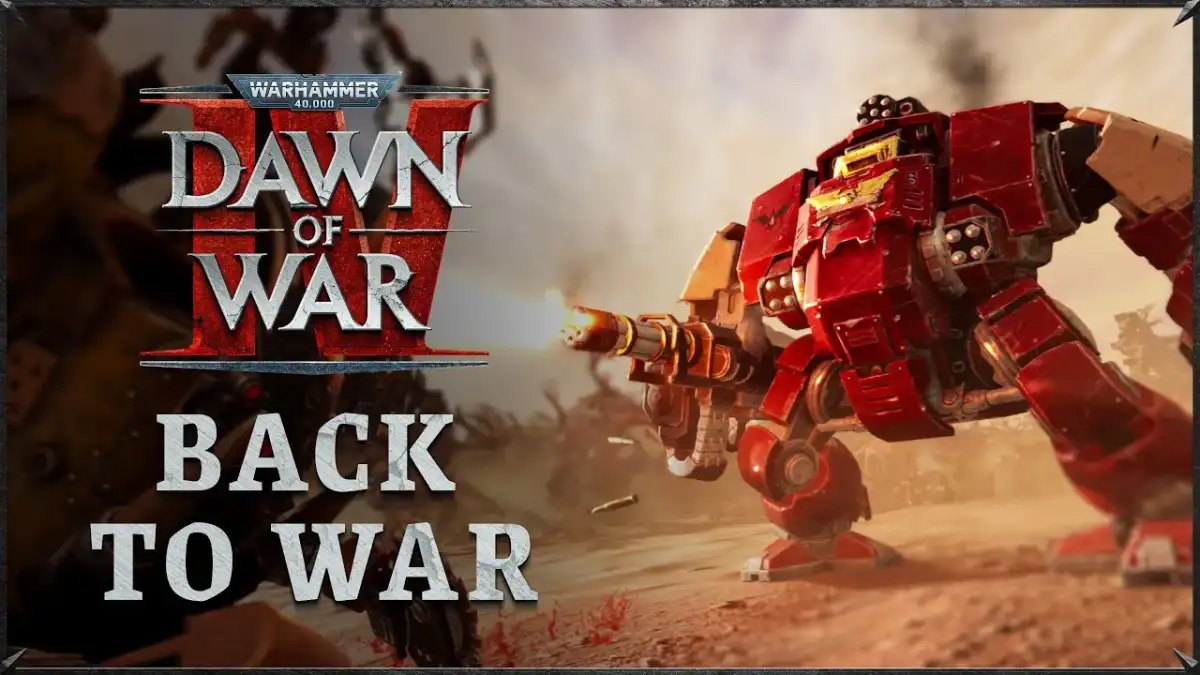
Diverse Universes, Varied Objectives
Beyond the immediate thrill of survival and combat, the upcoming slate of games explores a broad spectrum of player engagement. Reports highlight a significant presence of narrative-driven experiences, with titles like those stemming from the BioShock lineage, such as "Judas," promising complex moral quandaries and branching storylines. This focus on deep narrative contrasts with titles like "Falling Frontier," which leans heavily into 'grand RTS' mechanics, emphasizing intricate logistics and strategic empire-building. The landscape also accommodates the more contemplative player, with projects prioritizing 'exploration and storytelling rather than combat' in entirely new universes.
Read More: Street Fighter 6 Year 4 Pass adds Tifa and 3 new fighters in 2026

The year 2026 will witness a diversification in digital space, balancing visceral combat and survival against narrative depth and strategic empire management, catering to a spectrum of player motivations.
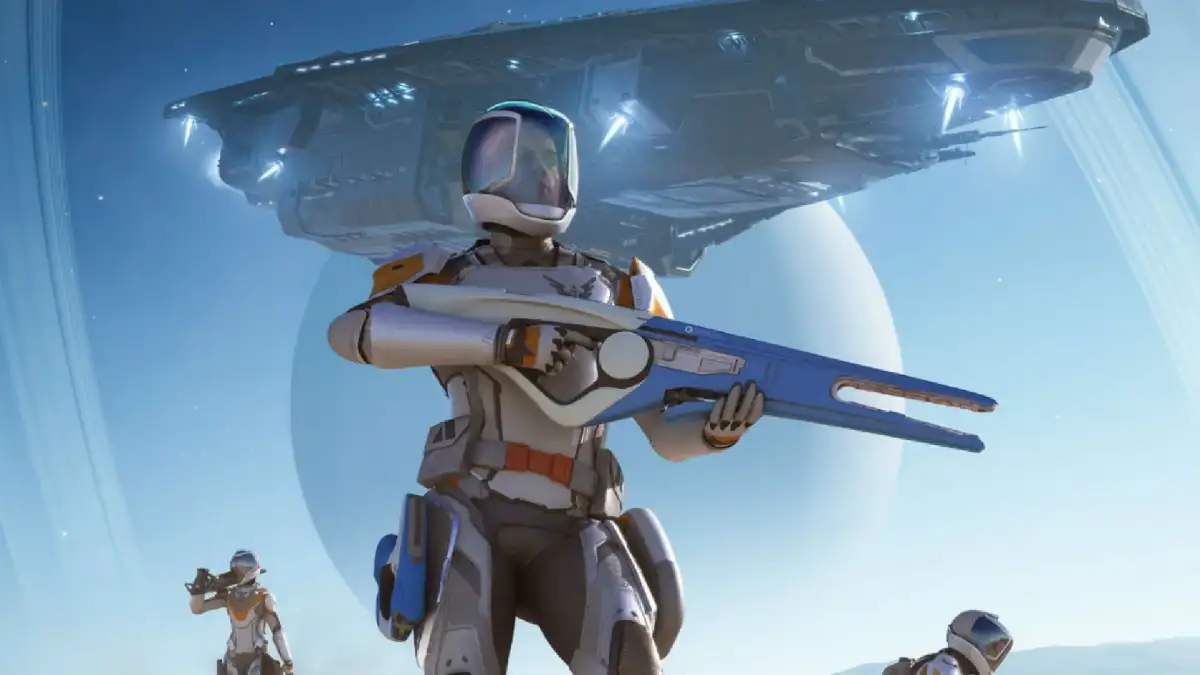
Genre Blending and Established Franchises
Developers are evidently experimenting with genre hybridization, merging established formulas with fresh concepts. We see the "space-sim, starship dogfighting" formula getting a "new twist" in titles like "Remnant Protocol." Furthermore, long-standing franchises are set to continue their narrative arcs or explore new avenues. Mention is made of "The Outer Worlds 2," "Metroid Prime 4," and the highly anticipated "Mass Effect 4," indicating a continued investment in established sci-fi universes. Alongside these giants, entirely new intellectual properties, such as Capcom's "Pragmata," are poised to enter the fray, signaling a willingness to forge new frontiers in digital storytelling and gameplay.
Read More: Silo Season 3 July 3 2026 Apple TV+ Adds Iran Conflict
Hardware Demands and Developer Ambitions
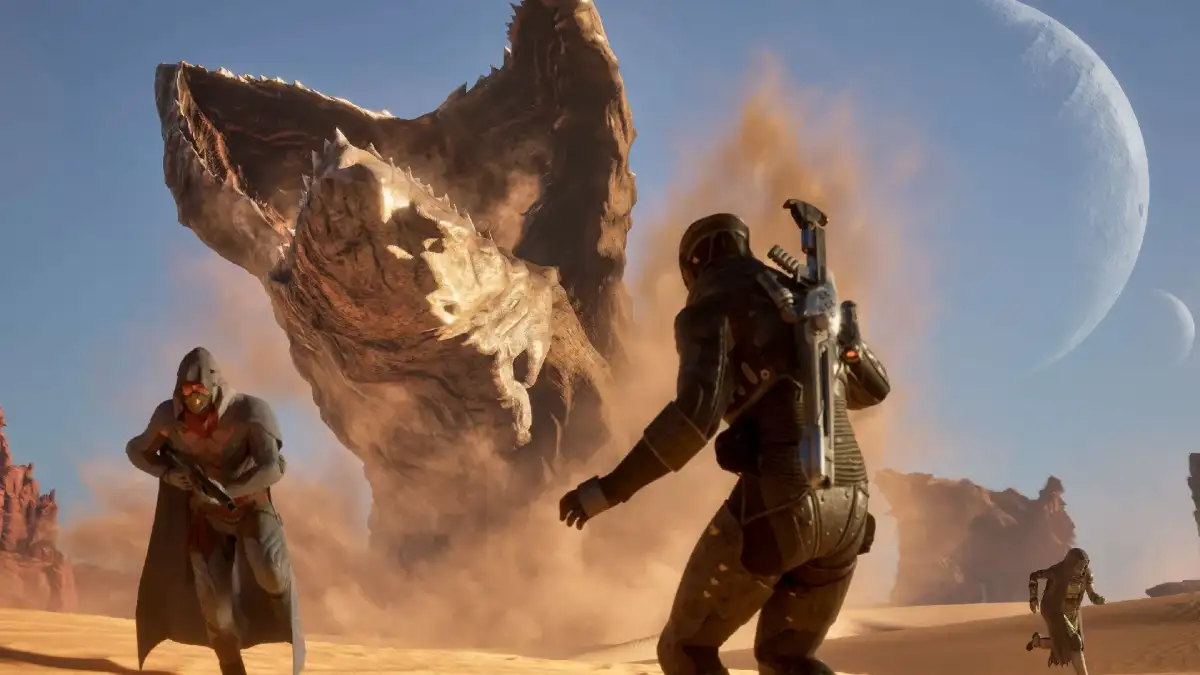
The technical requirements for these ambitious projects suggest a move towards more graphically intensive and complex simulations. For instance, "Dune: Awakening" calls for a robust setup including an i7-12700 CPU, an RTX 3070 Ti GPU, and 32 GB of RAM, with a substantial 100 GB NVMe SSD. Other titles, like the industrial space mining simulator by CoolAndGoodGames, also demand significant resources, albeit with slightly more accessible specifications like a Ryzen 7 5800X3D and 32GB RAM. These specifications point towards developers striving for greater fidelity and intricate world-building, pushing the boundaries of current gaming hardware.
Read More: Steam Machine GPU failure causes Red Line of Death on 7 April 2026
Background: A Continuing Fascination with the Void
The enduring appeal of space as a setting for video games is evident in the consistent output of new titles and the continued popularity of established ones like "Eve Online" and "No Man's Sky." This fascination spans decades, from early arcade experiences to complex, open-world simulations. The genre's flexibility allows developers to explore themes ranging from the existential dread of cosmic horror, as hinted at by the "outer space game in your pocket" description, to the strategic intricacies of fleet command and resource management. The impending releases of 2026 suggest this trend will not only continue but diversify, reflecting evolving player tastes and technological advancements.




/content/opengraph/MTG-Top-10-Best-Commander-Cards-From-Magic-The-Gathering-Marvel-Super-Heroes-MSC-MSH.png)