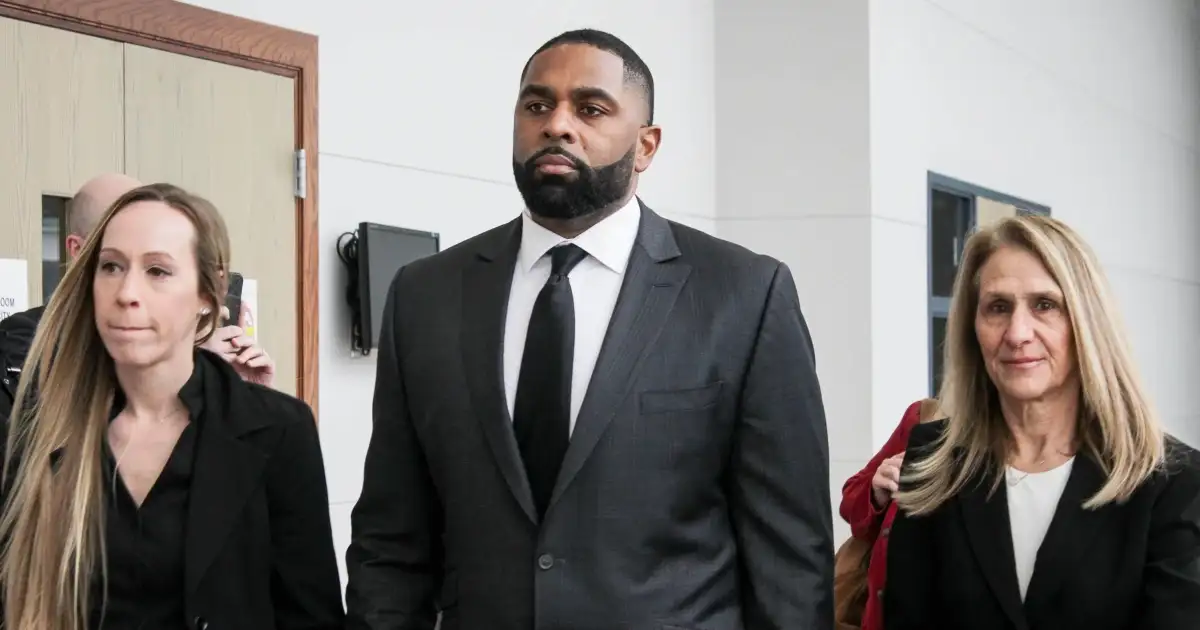
The roar of the crowd has been replaced by the solemn pronouncements of a courtroom. Yasiel Puig, once a celebrated slugger lighting up Major League Baseball with his prodigious talent and electrifying style, has been found guilty of obstruction of justice and lying to federal officials. This verdict, delivered after a multi-week trial, plunges the former star into a legal battle with potentially severe consequences. But beyond the headlines, crucial questions linger: Was Puig simply a victim of circumstance and his own lack of understanding, or did he deliberately obstruct a federal investigation into an illegal gambling operation?
A Gambling Web Unravels: How Puig Became Entangled
The charges against Puig stem from an investigation into an illegal sports betting ring. Federal authorities were reportedly looking into the financial dealings of a man named Nix, and in the process, their spotlight landed on Puig. Investigators alleged that Puig placed a staggering number of bets – at least 900 – through Nix-controlled websites and associates.
Read More: 2026 March Madness Round 2: Where to Watch Games on CBS, TBS, truTV, and Streaming
The Allegations:
Puig allegedly placed over 900 bets with an illegal gambling operation.
These bets were reportedly made through Nix-controlled platforms or individuals working for Nix.
The investigation into Nix's alleged money laundering and income concealment efforts indirectly led to Puig.
Puig's involvement with this operation, and his subsequent interactions with federal investigators, form the crux of the conviction. The prosecution presented evidence, including audio clips of Puig speaking English, to counter the defense's claims and demonstrate his alleged deception.

The Core of the Charges: Obstruction and False Statements
At its heart, the verdict centers on two main points: obstruction of justice and making false statements to federal officials. This means the jury believed Puig actively hindered the investigation or intentionally misled the authorities when questioned.
Obstruction of Justice: This implies Puig took actions to impede the government's investigation. What specific actions constituted obstruction? Was it withholding information, providing misleading statements, or actively attempting to conceal his betting activities?
Making False Statements: This charge indicates that Puig knowingly lied to federal agents. During an interview with investigators, Puig purportedly provided information that was later found to be untrue.
The jury's unanimous decision after deliberating for nearly two days underscores the weight of the evidence presented by the prosecution.
Puig's Defense: A Third-Grade Education and Mental Health Struggles?
Puig's legal team presented a compelling narrative that painted the former outfielder as a victim of his circumstances rather than a deliberate criminal. A key element of their defense highlighted Puig's educational background and potential mental health challenges.
Read More: Sam Asghari gives brief comment after Britney Spears DUI arrest

"Puig, who has a third-grade education, had untreated mental health issues and did not have his own interpreter or criminal legal counsel with him during the interview with federal investigators where he purportedly lied."
This statement, cited in multiple reports, raises critical questions about the fairness of the interview process and Puig's capacity to understand the gravity of his situation and the legal ramifications of his statements.
Key Defense Points:
Limited Education: Puig reportedly has only a third-grade education, potentially impacting his comprehension of complex legal matters and the intricacies of a federal investigation.
Mental Health: His attorneys claim he suffered from untreated mental health issues, which could have affected his judgment and ability to communicate effectively.
Lack of Counsel/Interpreter: The absence of a dedicated interpreter and his own criminal legal counsel during the crucial interview is a significant point of contention. Did he truly have a fair opportunity to present his side without proper guidance?
This raises a fundamental question: Is it fair to hold someone to the same standard of understanding and articulation as a university graduate when dealing with federal law enforcement, especially if they have documented challenges?
Testimony and Evidence: Voices from the Stand and the Courtroom
The trial featured testimony from a range of individuals, including Major League Baseball officials and Donny Kadokawa, the Hawaii baseball coach through whom Puig allegedly placed bets. The prosecution also presented audio clips of Puig speaking English and called upon expert witnesses to discuss his cognitive abilities.

Key Witnesses and Evidence:
Donny Kadokawa: Testified about Puig's betting activities through him. What was the nature of their relationship? Was Kadokawa acting as a mere facilitator, or was he aware of the illegality of the operation?
MLB Officials: Their testimony likely focused on MLB's policies regarding gambling and player conduct. Did MLB have any prior knowledge of Puig's activities? Were there any warnings issued?
Audio Recordings: Used to demonstrate Puig's understanding of English and potentially to contrast his statements during the interview with other recordings. How clearly did Puig articulate his words in these recordings?
Cognitive Experts: Their role was to assess Puig's mental capacity and ability to comprehend the questions posed by investigators. What were their findings, and how did they sway the jury?
The defense, conversely, argued that Puig attempted to cooperate fully and that the government was not genuinely interested in his answers. This suggests a disconnect between Puig's perception of his cooperation and the prosecution's view.
Read More: Beninese striker Adnan Aziz nears Argentina club contract after successful trial
"The government declined to say how much, if any, prison time they will request for Puig."
This ambiguity surrounding the prosecution's sentencing recommendation adds another layer of uncertainty. While Puig faces up to 15-20 years in prison, the actual sentence could be far more lenient. His sentencing is scheduled for May 26, and he remains free on his own recognizance for now.
A Pattern of Deception? Or Misunderstandings in a High-Pressure World?
The prosecution's case suggests a deliberate pattern of deceit. The conviction on multiple charges, including lying on a U.S. government immigration form and during his naturalization interview (as reported by Heavy.com), points towards a consistent effort to mislead authorities.
Allegations of Wider Deception:
Lying to federal law enforcement about placing sports bets.
Misrepresenting his relationship with Donny Kadokawa.
Making false statements on immigration forms.
Providing false information during his naturalization interview.
But could these instances be the result of panic, fear, or a genuine inability to grasp the legal implications, rather than calculated deception? Puig, a Cuban-born standout who became a U.S. citizen, has spent six seasons with the Dodgers and played internationally, including in South Korea, before returning to the U.S. with a shoulder injury. This career trajectory, marked by both immense success and global transitions, might have exposed him to unique pressures and complexities.
Read More: Sherrone Moore pleads no contest to misdemeanors on March 6, 2026
The Unanswered Questions and the Path Forward
The conviction of Yasiel Puig leaves many questions hanging in the air.
Was the interview process conducted ethically and fairly, given Puig's documented background?
To what extent did Puig's educational limitations and alleged mental health issues contribute to his predicament?
What role did the illegal gambling operation itself play in coercing or misleading Puig?
Will the sentencing reflect a recognition of Puig's defense, or will it be a stern message about the consequences of obstructing justice?
Does this case highlight a broader issue of athletes being vulnerable to illicit activities due to their fame and potential lack of guidance?
Puig's sentencing hearing on May 26 will provide a crucial next step in this legal saga. Until then, the case serves as a stark reminder that even those at the pinnacle of athletic achievement are not above the law and can face severe repercussions when they become entangled in criminal investigations. The true narrative – whether Puig was a cunning deceiver or a confused individual caught in a web – will continue to be debated as the legal process unfolds.
Sources:
ESPN: https://www.espn.com/mlb/story//id/47852596/ex-mlb-player-puig-guilty-obstruction-lying-officials
The New York Times: https://www.nytimes.com/athletic/7024828/2026/02/06/yasiel-puig-trial-guilty-gambling-obstruction/
RFI: https://www.rfi.fr/en/sports/20260206-ex-mlb-outfielder-puig-guilty-in-federal-sports-betting-case
Los Angeles Times: https://www.latimes.com/sports/story/2026-02-06/yasiel-puig-guilty-verdict-gambling-trial-dodgers
US News: https://www.usnews.com/news/sports/articles/2026-02-06/ex-mlb-player-yasiel-puig-found-guilty-of-obstruction-and-lying-to-federal-officials
Heavy.com: https://heavy.com/sports/mlb/los-angeles-dodgers/yasiel-puig-found-guilty-sports-gambling/
Orange County Register: https://www.ocregister.com/2026/02/06/ex-dodger-yasiel-puig-found-guilty-in-sports-gambling-probe/