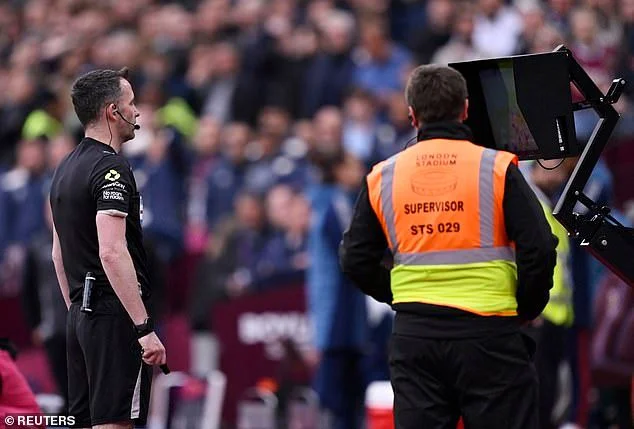
What happens when a player who endured immense public pressure and fan backlash finds solace and success under a manager who seemingly understood him perfectly? Granit Xhaka's recent reflections on his time with Mikel Arteta at Arsenal, particularly as he prepares to face his former club, offer a fascinating glimpse into the complex dynamics of modern football management and player development. While the narratives from both Xhaka and Arteta paint a picture of mutual respect and clear communication, a deeper dive reveals lingering questions about the circumstances of his departure and the often-unseen pressures within elite clubs.
The Shadow of Fan Discontent: A Pre-Arteta Saga
Before Mikel Arteta took the helm at Arsenal, Granit Xhaka was already a polarizing figure. His captaincy, handed to him under Unai Emery, was tragically marred by a notorious incident in October 2019. During a Premier League match against Crystal Palace, Xhaka was substituted and, upon hearing a chorus of boos from the home crowd, gestured dismissively and cupped his ear towards the stands before storming off the pitch. This public confrontation led to his removal as captain and fueled a significant rift between the player and a section of the fanbase.
Read More: Man Utd Stalls Lewis Hall Transfer to Prioritize Midfield Signings
October 2019: Granit Xhaka famously clashed with Arsenal fans after being booed following his substitution against Crystal Palace.
Fallout: This incident led to his stripping of the captaincy and a period of intense scrutiny.
Player Sentiment: At that moment, Xhaka felt ready to "walk away from Arsenal right there and then." (tbrfootball.com)
This episode created an environment where, as Xhaka himself has indicated, his departure from Arsenal might have been inevitable if not for the intervention of a new managerial voice. It begs the question: how much of his decision to stay, and eventually to leave, was dictated by external pressures versus internal desires?

Arteta's Arrival: A Turning Point and a Promise of Clarity
Mikel Arteta's appointment in December 2019 marked a significant shift for Arsenal, and crucially, for Granit Xhaka. Arteta inherited a squad grappling with identity and consistency issues, and Xhaka was at the epicenter of much of the club's turmoil. The incoming manager's approach, however, seems to have resonated deeply with the midfielder.
"From this day, I just had the feeling that every word he told me in this first conversation, everything was exactly like he said."(football.london, chroniclelive.co.uk, tbrfootball.com)
This unwavering trust in Arteta's initial word appears to be the bedrock of their relationship. It suggests that Arteta managed to cut through the noise and offer Xhaka a sense of security and direction that had been severely lacking.
Read More: Man City vs Bournemouth: Rodri Returns for Champions League Spot
Arteta's Initial Impact: Focused on rebuilding mentality and establishing high standards in training, pre-training, activation, and recovery. (football.london)
Player Validation: Xhaka felt Arteta was actively trying to show him he was "in the right place." (football.london)
Honest Dialogue: Arteta is described as "very straightforward" and willing to find "a good solution for all of us." (metro.co.uk)
This period of rebuilding wasn't just about tactical adjustments; it was about psychological restoration. Did Arteta possess a unique ability to connect with players who felt alienated, or was it simply the opportune moment for a fresh start under a new leader?
The Decision to Depart: Mutual Understanding or Calculated Exit?
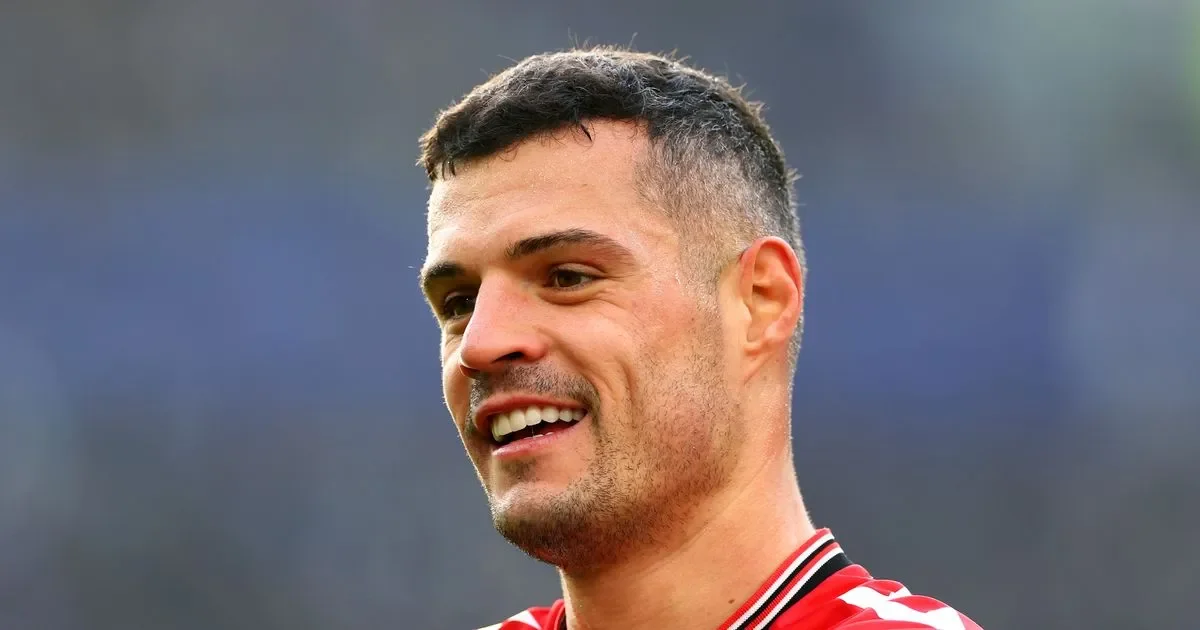
Despite the strong bond forged under Arteta, Xhaka eventually departed Arsenal in the summer of 2023 to join Bayer Leverkusen, where he has since excelled. Mikel Arteta, speaking ahead of their recent reunion, framed Xhaka's exit as a mature and mutually agreed-upon decision, acknowledging that Xhaka was at a "special moment" in his life and career.
"When Granit, he expressed his idea, the reasons why he believed he was better now or the right timing after everything we went through together to take another challenge, and take that journey somewhere else, it really made me think whether it was the right thing again to try to persuade him to stay if he was having already such a deep feeling about it."(metro.co.uk)
Arteta's words highlight a respect for Xhaka's agency, suggesting that the player's desire for a new chapter was a primary driver.
Timing of Departure: Xhaka expressed a "deep feeling" about the right timing for a new challenge. (metro.co.uk)
Arteta's Consideration: The manager was hesitant to "persuade him to stay" if the feeling was that profound. (metro.co.uk)
Success Elsewhere: Xhaka has been described as one of the "best [signings of the summer]" at Leverkusen, driving standards and performing exceptionally. (metro.co.uk, chroniclelive.co.uk)
However, this narrative of straightforward understanding prompts further questions:
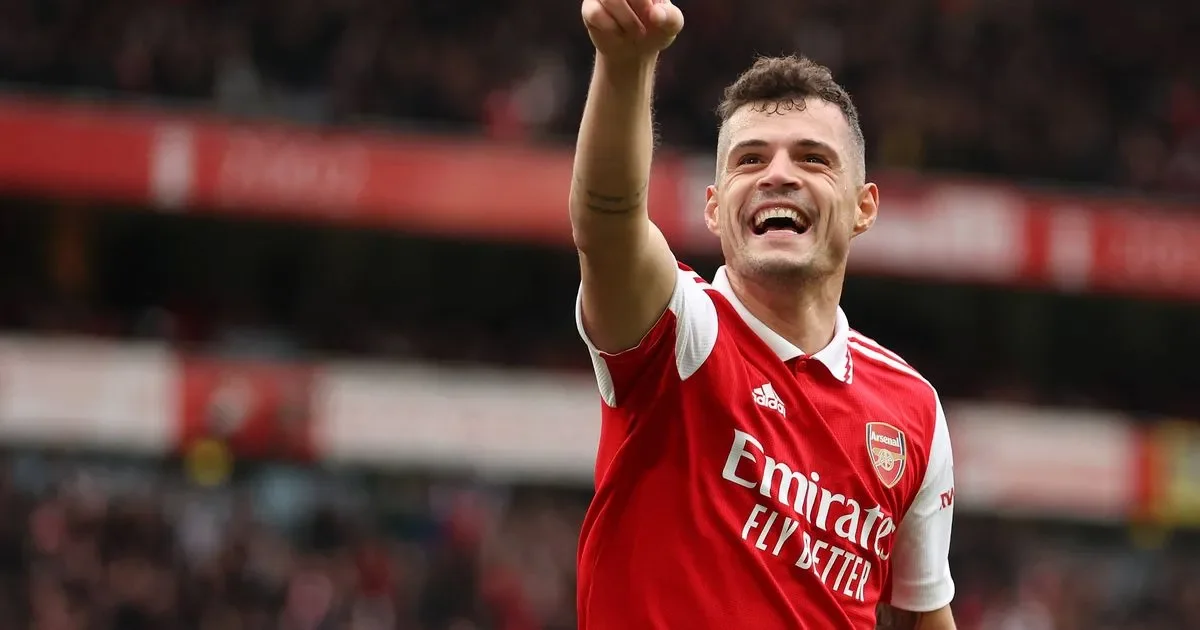
If the initial conversations were so transformative, what evolved to make a departure feel like the "right thing" a few years later?
Was there an unspoken understanding or a pre-arranged agreement that allowed for this smooth transition, or was it purely reactive to Xhaka's evolving ambitions?
Considering Arsenal's continuous pursuit of midfield reinforcements, was Xhaka's departure a proactive decision by the club to move in a different direction, or did it genuinely stem from his personal aspirations?
Legacy of Trust and Transformation
The enduring impact of Mikel Arteta on Granit Xhaka seems undeniable. Xhaka's glowing testimonials about the manager's honesty and consistent actions ("every year he brings something new") underscore a period of significant personal and professional growth.
Read More: FIFA Moves Mexico vs England Match 6 Hours Earlier
| Aspect of Relationship | Xhaka's Perspective | Arteta's Perspective |
|---|---|---|
| Initial Impression | Words matched actions; felt he was "in the right place." | Recognized Xhaka's "special moment," aimed to make him feel "loved, valued." |
| Communication Style | "Every word he told me… exactly like he said." | "Very honest," "very straightforward." |
| Managerial Development | "Mikel was doing new things every year." | Focused on building mentality, standards, recovery. |
| Player's Departure | Had a "deep feeling" it was the right time for a new challenge. | Understood Xhaka's desire, didn't want to force him to stay against his will. |
| Overall Impact on Player | Molds him into a "Sunderland hero" (referring to Leverkusen's nickname). | Praises Xhaka's time at Arsenal, calls him one of the best signings of the summer. |
(Sources: football.london, metro.co.uk, chroniclelive.co.uk, arsenalinsider.com)
Xhaka's continued success and leadership at Bayer Leverkusen, where he has become a "beating heart" and a standard-bearer, validates the transformative period he experienced under Arteta. The midfielder's ability to thrive in a new environment, drawing from the lessons learned at Arsenal, speaks volumes about his resilience and the quality of coaching he received.
Yet, the narrative leaves us pondering the broader implications:
How often do players' decisions to leave top clubs stem from a deep-seated need for a different kind of leadership or environment, rather than a lack of skill or desire?
What does this say about the "human element" of management, where empathy and honest communication can seemingly overcome deeply entrenched player-fan animosity?
As Xhaka now faces Arsenal, are these reflections purely a testament to a positive working relationship, or do they subtly highlight the circumstances that made his eventual departure feel necessary and, perhaps, overdue?
The story of Granit Xhaka and Mikel Arteta is a compelling case study in player-manager dynamics, showcasing how trust and clear communication can reshape careers, even amidst the turbulence of fan expectations and club pressures. It's a narrative of redemption, respect, and the inevitable evolution of professional football journeys.
Read More: Spurs need win vs Leeds to avoid relegation zone
Sources:
football.london: Granit Xhaka made thoughts perfectly clear on Mikel Arteta after leaving Arsenal - https://www.football.london/arsenal-fc/news/granit-xhaka-made-thoughts-perfectly-clear-on-mikel-arteta-after-leaving-arsenal-33377216 (Published: 6 hours ago)
metro.co.uk: Mikel Arteta reveals truth behind Granit Xhaka Arsenal exit ahead of reunion - https://www.metro.co.uk/2025/11/07/mikel-arteta-reveals-truth-behind-granit-xhaka-arsenal-exit-ahead-reunion-24644899/ (Published: Nov 7, 2025)
chroniclelive.co.uk: Xhaka on honest Arteta conversations that moulded him into Sunderland hero - https://www.chroniclelive.co.uk/sport/football/football-news/granit-xhaka-sunderland-arsenal-arteta-32824152 (Published: Nov 6, 2025)
arsenalinsider.com: Mikel Arteta gives his honest verdict on coaching Granit Xhaka at Arsenal before Sunderland clash - https://www.arsenalinsider.com/news/mikel-arteta-gives-his-honest-verdict-on-coaching-granit-xhaka-at-arsenal-before-sunderland-clash/ (Published: Nov 7, 2025)
tbrfootball.com: How Mikel Arteta convinced Granit Xhaka to stay at Arsenal after 2019 fallout with fans - https://tbrfootball.com/how-mikel-arteta-convinced-granit-xhaka-to-stay-at-arsenal-after-2019-fallout-with-fans/ (Published: Nov 7, 2025)
football-news365.co.uk: Granit Xhaka made thoughts perfectly clear on Mikel Arteta after leaving Arsenal - https://football-news365.co.uk/news/arsenal/86148997/granit-xhaka-made-thoughts-perfectly-clear-on-mikel-arteta-after-leaving-arsenal (Seen on: AOL)
mirror.co.uk: Granit Xhaka's comments about Mikel Arteta after leaving Arsenal speak volumes - https://www.mirror.co.uk/sport/football/granit-xhaka-arsenal-sunderland-arteta-36682283 (Published: 6 hours ago)