Are we unknowingly turning our homes into toxic nurseries? Recent findings suggest that the cozy glow of a wood burner might be exposing our children to alarmingly high levels of indoor air pollution, potentially tripling their exposure. While the allure of a crackling fire is undeniable, the invisible fallout from these popular home appliances is raising serious questions about the safety of our children's living spaces. This investigation delves into the mounting evidence, past incidents, and critical questions that demand answers before this hidden hazard becomes an even bigger public health crisis.
Wood burners, once a rural necessity, have surged in popularity across the UK, with an estimated 1.9 million homes now boasting one. This trend, driven by a desire for ambiance, perceived cost savings, or simply a more traditional heating method, is now under intense scrutiny. Reports indicate that the pollution generated by burning wood at home may, in some circumstances, be more significant than that from road traffic. But what does this mean for the most vulnerable among us – our children? And why is this becoming a significant concern now?
The Rising Tide of Indoor Pollution: A Familiar Ghost?
The idea that burning wood indoors is harmful isn't entirely new. For decades, communities in developing nations have grappled with the severe health consequences of using biomass fuels for cooking and heating. Studies have highlighted the profound and long-lasting negative impacts on maternal and child health from these "rural cook stoves."
Read More: New Papers Show Epstein Had Health Problems with Sex Hormones
Historical Precedent: Communities relying on open fires and inefficient wood stoves have long faced elevated risks of respiratory illnesses, developmental issues, and even reduced fertility, as documented in various studies on indoor air quality in Africa and other regions.
Urbanisation of the Problem: What’s new and deeply concerning is the proliferation of wood burners in developed countries, including the UK, bringing these previously rural or developing-world issues into urban and suburban homes.
The stark reality is that children are uniquely susceptible to the effects of air pollution. Their developing lungs and bodies mean they:

Inhale more air relative to their body weight than adults.
Often breathe air closer to the ground, where pollutants can concentrate.
Have less control over their exposure compared to adults.
This makes the rise of indoor wood-burning pollution a critical issue, demanding a closer look at the science and the policies surrounding it.
The Science Speaks: A Tripling of Exposure and Beyond
The latest research paints a disturbing picture. A study from New Zealand, as reported by The Guardian, found that children living in homes with wood burners experienced pollution levels that could treble their exposure compared to periods when the wood burner was not in use.
Read More: Cartoonist Rohan Chakravarty Uses Funny Pictures to Teach About Nature
This research, which equipped 53 children from two primary schools in Anglesey (Ynys Môn) with portable air pollution sensors, revealed that their indoor environment was the largest contributor to their daily particle pollution. This is a staggering revelation, suggesting that the "sanctuary" of home might be a primary source of harm.
Key Findings from the Anglesey Study:
Indoor pollution from wood burners was the single largest contributor to children's daily particle pollution.
This surpassed pollution experienced during school hours or commuting.
Even short peaks of pollution were detected when children walked past sources like bakeries and restaurants.
This raises immediate questions:
If indoor pollution from wood burners is the primary culprit, what measures are being taken to address it?Why haven't previous warnings about indoor air quality been more effective in curbing this trend?Are parents fully aware of the potential dangers lurking within their own homes?
Wood Burners vs. Traffic: A Shifting Blame Game?
For years, the primary focus of air pollution concerns in urban areas has been road traffic. However, new research is challenging this narrative, suggesting that domestic wood burning could be a more significant polluter.
Read More: Actor James Van Der Beek Dies at 48 from Bowel Cancer; Early Signs Often Missed
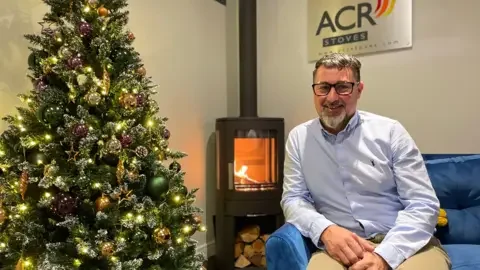
Research from Birmingham indicates that burning wood at home can produce more pollution than road traffic. While the government has so far ruled out a ban on wood burning, the findings from institutions like ACR Stoves, which produces 10,000 wood burners annually for the UK market, warrant serious consideration.
Why is the government resistant to considering a ban when the evidence suggests wood burners could be a greater polluter than traffic?What are the economic factors influencing this policy stance, and are they outweighing public health concerns?
This is not just an issue of general pollution but of specific health impacts. Studies have linked fine particle pollution, including that from residential wood burning, to a range of health problems:
Increased Ear Infections: Exposure to fine particle pollution, specifically from residential wood burning, has been linked to a rise in ear infections in young children.
Fetal Development: Developing fetuses and young children are disproportionately affected by wood smoke toxins and carcinogens, with potentially profound and long-lasting consequences.
Broader Health Impacts: Wood smoke is not just dangerous for those with pre-existing conditions like asthma or cardiovascular illness; it poses a general threat to the well-being of all children.
The Invisible Culprits: UFPs, PM2.5, and Black Carbon
The "hidden health risks" of wood-burning stoves, including "eco" stoves, are becoming increasingly apparent. Research from the University of Surrey, published in Nature’s Scientific Reports, monitored homes using various heating fuels.
Read More: UK Winters Are Getting Wetter, Scientists Say
Even with improved stoves and what are considered "cleaner" fuels like seasoned wood and kiln-dried wood, significant spikes in indoor pollution were observed. These spikes occurred during critical moments:
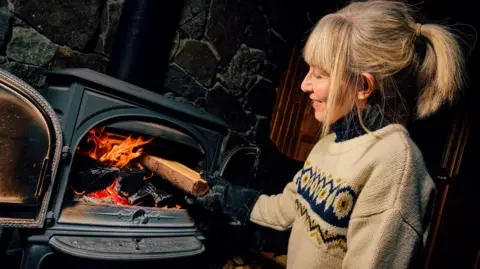
Lighting the stove
Refuelling the stove
Removing ash
The study measured pollutants like ultrafine particles (UFPs), fine particulate matter (PM2.5), black carbon (BC), and carbon monoxide (CO). While open fireplaces produced the highest emissions, increasing PM2.5 exposure up to seven times compared to modern stoves, even the "best" models were found to cause problems.
Key Pollutants of Concern:
Ultrafine Particles (UFPs): So small they can penetrate deep into the lungs and even the bloodstream.
PM2.5 (Fine Particulate Matter): Linked to respiratory and cardiovascular issues.
Black Carbon (BC): A component of soot, a known contributor to climate change and a marker for inefficient combustion.
Read More: Know the Early Signs of Colon Cancer
If even modern, supposedly cleaner stoves cause significant pollution spikes, what is the acceptable level of exposure for children in their own homes?Are building regulations and stove efficiency standards sufficient to protect indoor air quality?What is the role of ventilation in mitigating these risks, and are most homes adequately equipped for this?
A Public Health Threat: Voices of Concern
Leading paediatricians are raising the alarm. A position statement from the Royal College of Paediatrics and Child Health (RCPCH) calls for tougher Government action to curb air pollution, advocating for the phasing out of wood burners in urban family homes to protect children's health. They also support the implementation of Ella’s Law and adherence to World Health Organisation (WHO) air quality guidelines.
The RCPCH emphasizes children’s particular vulnerability due to their higher inhalation rates, breathing closer to ground-level pollution, and limited ability to control their exposure.
Read More: Study Says UK Electric Cars and Heat Pumps Don't Save Carbon Yet
Furthermore, research highlights the disproportionate impact on certain communities. A study from Northwestern University found that while people of colour burn less wood, they often experience higher exposure levels and greater harms from wood-burning pollution. This points to a potential environmental justice issue, where the most vulnerable bear the brunt of pollution, even from sources they may not be directly contributing to.

What is being done to address the disproportionate impact of wood smoke pollution on minority communities?How will the government reconcile calls for tougher action from health bodies with its current stance on wood burners?Are current public awareness campaigns sufficient to inform individuals about the risks associated with wood burning?
The Path Forward: What Next?
The evidence is mounting: the cozy glow of a wood burner may come at a steep price for our children's health. The notion that our homes, meant to be safe havens, could be tripling indoor pollution exposure for children is a chilling prospect.
Read More: AI Finds Sperm, Skin Cells Made Into Eggs for Fertility Help
The science indicates that even modern, cleaner stoves contribute to significant indoor pollution spikes. The Royal College of Paediatrics and Child Health is calling for action. The impact on vulnerable communities is undeniable.
Moving forward, a multi-pronged approach is urgently needed:
Government Policy Review: A serious reconsideration of the current stance on wood burners is essential, potentially exploring phased bans in urban areas and stricter regulations for stove efficiency and fuel types.
Public Awareness Campaigns: Comprehensive and clear information campaigns are needed to educate the public about the true risks of wood burning, beyond just outdoor air quality.
Improved Monitoring and Research: Continued, independent research into indoor air quality in homes with wood burners is crucial, with a focus on children's exposure levels and long-term health impacts.
Support for Alternatives: Investment in cleaner, safer heating alternatives for households is necessary.
Read More: Old Economic Plans Not Good Enough for Climate Problems
We must ask ourselves: are we willing to sacrifice our children's health for the ambiance of a fire? The time for passive observation is over; it's time for decisive action to clear the air in our homes.
Sources:
The Guardian: Wood burners may treble children’s exposure to pollution in homes, study finds. (February 6, 2026) https://www.theguardian.com/environment/2026/feb/06/children-living-homes-wood-burners-exposed-pollution
BBC News: Air pollution: Wood burners more polluting than traffic - Birmingham research. (December 10, 2024) https://www.bbc.com/news/articles/cjdne9ke0m1o
PMC (National Library of Medicine): Wood stove interventions and child respiratory infections in rural communities: KidsAir Rationale and Methods. (Seen on AOL) https://pmc.ncbi.nlm.nih.gov/articles/PMC7242120/
Families for Clean Air: Children’s Exposure to Wood Smoke: Small People, Big Problems. (Seen on AOL) https://www.familiesforcleanair.org/childrens-exposure-to-wood-smoke-small-people-big-problems/
University of Surrey: The hidden health risks of wood-burning and eco stoves in homes. (July 15, 2025) https://www.surrey.ac.uk/news/hidden-health-risks-wood-burning-and-eco-stoves-homes
Northwestern University: Wood burning in homes drives dangerous air pollution in winter. (January 23, 2026) https://news.northwestern.edu/stories/2026/01/wood-burning-in-homes-drives-dangerous-air-pollution-in-winter
DSAWSP: Children and wood smoke. (Seen on AOL) https://www.dsawsp.org/health/children-and-wood-smoke
The Ecologist: Child health threat from wood burners. (September 19, 2024) https://theecologist.org/2024/sep/19/child-health-threat-wood-burners
ScienceDirect: Exposure to indoor and outdoor air pollution from solid fuel combustion and respiratory outcomes in children in developed countries: a systematic review and meta-analysis. (February 10, 2021) https://www.sciencedirect.com/science/article/pii/S0048969720357168


:max_bytes(150000):strip_icc()/VWH_EarlySignsofColonCancer-be7dc99d4bfb4a37b2e6bec8d9f4cfd7.png)