

A Season of Unsettling Setbacks and Surprising Reversals
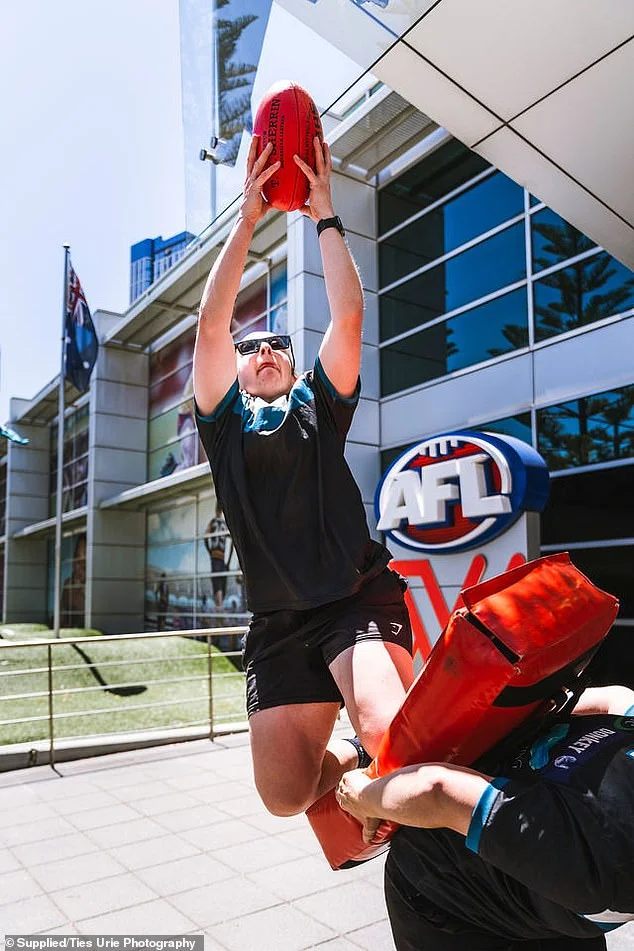
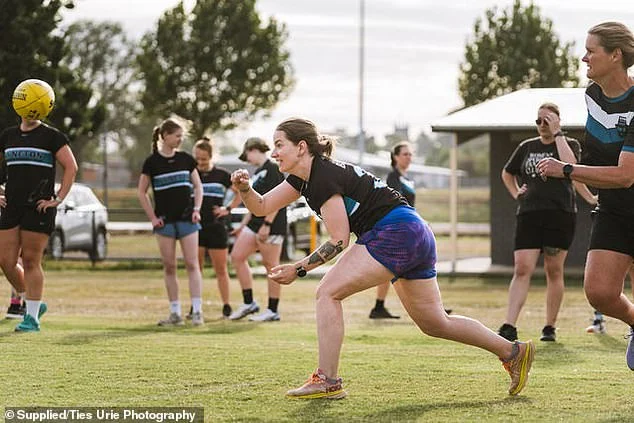
Weeks ago, the future of a women's Australian Rules Football team hung precariously in the balance. Despite widespread acceptance, AFL Victoria had upheld a closed-door appeal, blocking their entry into sanctioned competition. This decision seemed illogical to many, including player Rebecca Evans, who stated, "The only thing stopping us is a single decision." The team's vice-president's subsequent resignation over social media comments added another layer of complexity. Yet, in a sudden development, the team, now operating under a new name, has been accepted into the Central Victoria Football League, following the addressing of key conditions.
Concurrently, in England, the Football Association (FA) has implemented a new policy, effective June 1, 2025, that bars transgender women from playing in FA-affiliated women's football. This change impacts numerous registered transgender athletes, such as Billie Sky, who is now unable to play for her team, London Galaxy, at competitive levels. This decision follows a UK Supreme Court ruling on April 16, 2025, which declared that the legal definition of a woman is based on biological sex. This policy shift contrasts with a previous decade-long inclusionary stance and has drawn reactions from prominent players.
Read More: Lindsey Vonn Hurt Badly in Ski Race, Needs Many Surgeries
A Tale of Two Controversies: Inclusion, Exclusion, and Governance
The recent events surrounding the women's football team in Victoria, Australia, highlight the challenges of organizational governance and internal affairs. The team's struggle for inclusion, marked by the AFL Victoria's initial refusal, followed by their eventual acceptance, demonstrates a fluid and sometimes opaque decision-making process within sports bodies. The involvement of legal counsel and state politicians was contemplated, underscoring the stakes of the dispute.
Meanwhile, the FA's decision in England represents a significant policy reversal with far-reaching consequences for transgender athletes. This ban aligns with similar exclusionary trends observed in other sports like rugby, athletics, swimming, and cycling. The FA acknowledges the difficulties faced by affected individuals and is engaging in communication to explain the changes and explore alternative participation routes. This policy shift has sparked debate, with some noting it contradicts the historical trend of inclusion within women's football and has led to disappointment and exclusion for athletes like Billie Sky.
Read More: Football News: Fans, Player Records, and Club News
Navigating the Nuances: Policy, Pronouncements, and Player Welfare
The Victorian Team's Reinstatement: Conditions Met
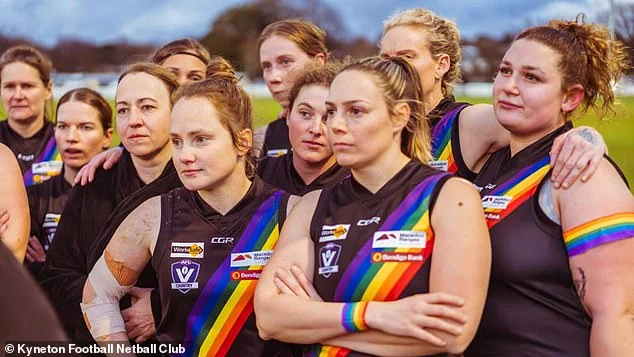
The journey of the banned women's Australian Rules Football team from exclusion to acceptance offers a compelling case study in sports administration. After their initial bid for entry was blocked by AFL Victoria, the team faced an uncertain future. The subsequent clarification of conditions by AFL Victoria, leading to acceptance into the Central Victoria Football League, suggests a resolution of previous objections. The departure of the vice-president, attributed to social media commentary, points to internal dynamics that may have influenced the situation.
The FA's Transgender Policy: A Defining Moment
The FA's recent policy change fundamentally alters the landscape for transgender women in English football. The mandate that only individuals born biologically female can participate in women's football at all levels represents a decisive stance. This aligns with recent legal interpretations and broader trends in sports governance but directly impacts the ability of transgender athletes, like Billie Sky, to compete. The FA's communication efforts to registered transgender players signal an attempt to manage the fallout from this significant policy adjustment.
Read More: Former Rugby Player Matt Utai Shot in Sydney

Echoes of Exclusion: Historical Parallels and Present Tensions
The FA's current policy stands in contrast to a previous era where women's football in England demonstrated a greater degree of inclusivity for transgender individuals. For over a decade, a policy had allowed around 20 transgender women to play in women's leagues. This shift has been met with varied responses, including expressions of pride and support for transgender existence within the queer community from public figures and players. The historical context reveals that while transgender participation has been a feature of women's football, recent decisions signal a divergence from that trajectory.
Expert Commentary on Governance and Inclusion
"The swift resolution for the Victorian team, after facing such a significant hurdle, suggests that external pressures—be they political, media, or legal—can indeed catalyze organizational change," noted a sports governance analyst who requested anonymity. "However, the circumstances surrounding the vice-president's departure underscore the persistent complexities of internal team management and public relations within elite sports."
Read More: Bayern Munich Youth Teams Have Mixed Results

Regarding the FA's policy, Dr. Evelyn Reed, a sociologist specializing in sports and gender, commented, "The FA's decision is a stark example of how legal pronouncements can rapidly reshape inclusivity frameworks within sports. While the organization cites biological sex as the determining factor, the societal and personal implications for transgender athletes are profound and warrant ongoing critical examination of equitable participation."
Conclusion: Navigating Divergent Paths in Women's Football
The events of the past few weeks illustrate two distinct yet interconnected challenges facing women's football globally: the internal mechanics of league inclusion and the external societal debates surrounding gender identity. The Australian team's successful reintegration into competition after overcoming significant administrative barriers highlights the influence of various stakeholders and the potential for resolving protracted disputes.
Conversely, the FA's stringent policy on transgender participation in England introduces a new era of exclusion, directly affecting a segment of female athletes and sparking conversations about the historical evolution of inclusion in the sport. This divergence in approach — one focused on administrative resolution, the other on policy enforcement based on biological sex — presents a complex picture of governance and advocacy within the broader landscape of women's football. Further developments will likely center on how these contrasting approaches influence player welfare, competitive integrity, and public perception in the months and years to come.
Sources Used:
Daily Mail: https://www.dailymail.co.uk/sport/afl/article-15566035/Banned-womens-footy-team-finally-cleared-play-league-ban-saga-vice-president-quits-social-media-comments.html - Report on a women's Australian Rules Football team being cleared to play after a league ban, alongside a vice-president's resignation.
BBC Sport: https://www.bbc.co.uk/sport/football/articles/cx2e0l5gr27o - Details on the FA's ban on transgender women playing in women's football and its impact on individual players.
The Athletic: https://www.nytimes.com/athletic/6327900/2025/05/02/english-fa-transgender-ban-womens-football-history/ - Analysis of the FA's transgender ban in women's football, contrasting it with the sport's history of inclusion.
The Independent: https://www.independent.co.uk/bulletin/sport/transgender-women-ban-football-rules-fa-b2743031.html - News on the FA's ban of transgender women from playing women's football and its alignment with other sports.
Girls Soccer Network: https://girlssoccernetwork.com/europe-womens-soccer-ban/ - Historical context of bans on women's soccer, including in Scotland and Iran.
Read More: Canadian Athletes Use Social Media to Connect with Fans


