


Thousands of women grapple with life-altering pain and financial precarity, still awaiting substantive redress for complications stemming from pelvic mesh implants, despite years of advocacy and isolated payout instances. The core of the ongoing crisis lies in the persistent failure to establish a comprehensive, timely, and equitable compensation framework for victims of transvaginal mesh, a device once hailed as a 'gold standard' for treating conditions like stress incontinence and pelvic organ prolapse. While some limited settlements have emerged, notably for over 100 women in England who received payouts from manufacturers like Johnson & Johnson, these represent a fraction of those affected, leaving many in a state of prolonged suffering and financial distress.

UNRESOLVED AGONY, UNFULFILLED PROMISES
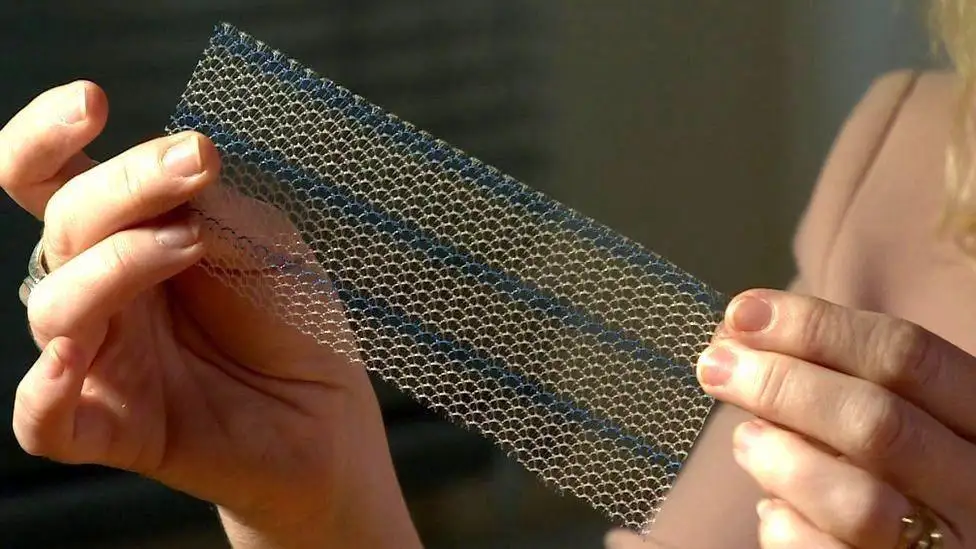
Women implanted with transvaginal mesh have reported a spectrum of debilitating outcomes: chronic, excruciating pain, often described as "like razors inside the body," severe difficulties with mobility, inability to engage in sexual activity, and a profound impact on their capacity to work and maintain their livelihoods. In some dire cases, affected individuals have been forced to sell their homes and rely on elderly parents for support, illustrating the catastrophic financial and personal toll. The mesh itself, a plastic device used for hernia repair in men and for pelvic floor issues in women, has been implicated in complications such as organ injury, severe bleeding, infection, and erosion through vaginal walls.
Read More: Ben Shephard 50 Years Old Back Pain From Son Jumping Causes Mobility Issues
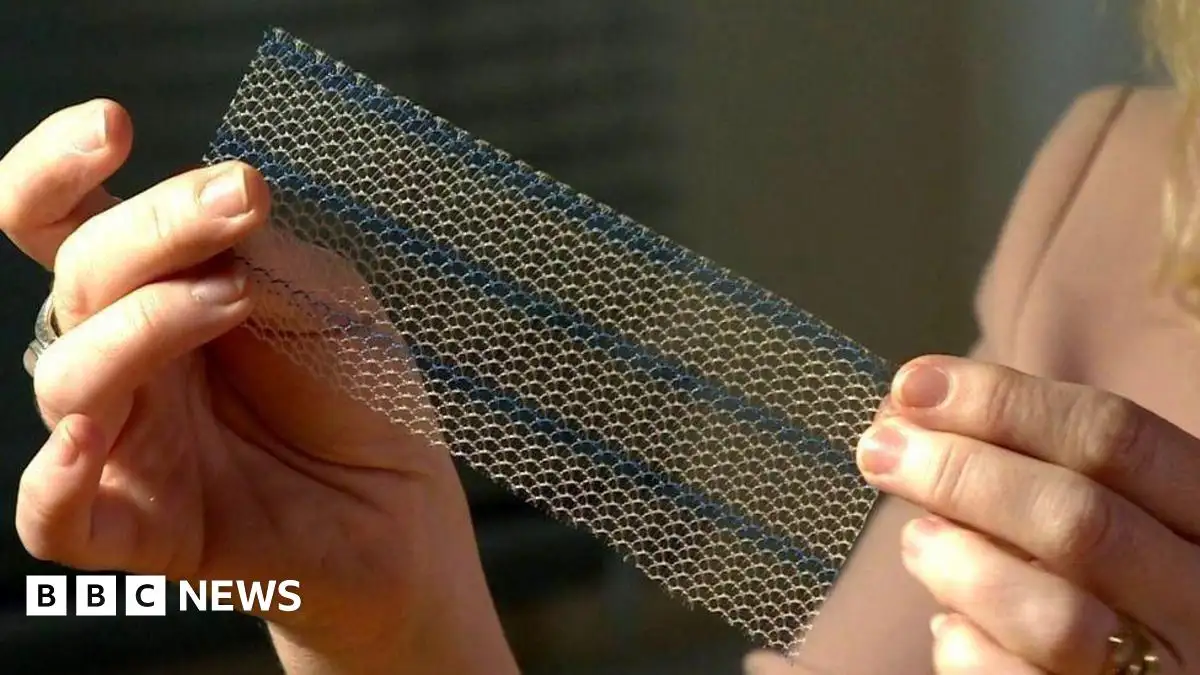
"We were all told it was a gold standard surgery." - Sansom, Campaigner
The removal of the mesh has proven to be an equally fraught ordeal, with surgeons likening the procedure to untangling chewing gum from hair due to the potential for serious complications, including organ damage and heavy bleeding. Campaigners and safety commissioners alike have decried the lack of swift governmental action, with one Safety Commissioner highlighting the "injustice" of women enduring such harm while awaiting redress. Calls for a structured, two-stage financial redress scheme—an interim and a main scheme—have been vocalized, yet concrete implementation remains elusive for a significant portion of the affected population.
THE SHADOW OF THE 'GOLD STANDARD'
For years, pelvic mesh surgery was widely promoted as the definitive solution for stress incontinence and prolapse, conditions frequently occurring after childbirth or as women approach menopause. Up to half of women who have given birth can experience pelvic organ prolapse, where organs like the bladder or uterus sag due to weakened pelvic floor support. This widespread adoption, coupled with the later revelations of severe complications, has led to what some describe as a "health scandal."
Read More: Kerala Court Asks for Padmanabhaswamy Temple Idol Renovation Plan by 30 June

"It is very disappointing that women who have suffered so much harm are still waiting for redress." - Dr. Hughes, Safety Commissioner
Despite a damning report and subsequent recommendations for compensation a year ago, progress for victims of pelvic mesh, alongside those affected by Sodium Valproate, has been frustratingly slow, leading to feelings of being "ignored by government." While legal firms specializing in clinical negligence have pursued claims on behalf of affected women, including those who have previously settled cases, the systemic issue of redress for thousands remains a critical, unresolved matter. The limitations imposed by claim deadlines have also meant that a substantial number of women have missed out on potential payouts, adding another layer of grievance to their already considerable suffering.