Multiple reports highlight the significant linkage between the elevation of women's standing and the overall progress of communities and global objectives. This advancement is not merely an abstract ideal but a pragmatic necessity, impacting economic growth, health outcomes, and the pursuit of sustainable development.
The core assertion across these analyses is that development initiatives, regardless of their specific focus, risk incompleteness and underperformance if they fail to address and integrate the empowerment of women. This empowerment is described as providing women with equitable access to education, healthcare services, employment prospects, financial independence, legal protections, and positions of leadership.
A Multifaceted Construct
Women's empowerment is not a singular outcome but a complex, interwoven set of conditions. It involves dismantling existing realities to grant women the agency to direct their own lives and contribute fully to societal structures. This principle is fundamental, with gender equality understood as a benefit that extends beyond women themselves, improving collective well-being.
Read More: WNBA Players Face Online Harassment Increases in April 2026
Impact on Key Areas
The integration of women into various sectors appears to yield tangible benefits:
Economic Growth and Poverty Reduction: The economic participation of women is presented as a primary engine for diversifying economies and reducing poverty. Research suggests a direct correlation between increased female workforce engagement and accelerated economic expansion. Empowered women are also noted to disseminate crucial health information, fostering healthier communities.
Health and Education: Studies indicate that when women achieve a higher status within households, it often translates to improved income levels and overall better livelihoods, thereby contributing to poverty alleviation. Furthermore, empowered women tend to prioritize the health and education of their families, leading to advancements in community well-being.
Social and Environmental Factors: The advancement of women is also linked to enhanced social cohesion and environmental sustainability.
Frameworks for Implementation
The practical application of women's and girls' empowerment (WGE) within development projects is an area of focus. A proposed approach involves a three-step process:
Clearly defining a specific objective that the project aims to achieve through the empowerment of women and/or girls, such as narrowing a particular gender disparity or enhancing a defined outcome.
Identifying the specific barriers within defined 'pillars' that hinder women and/or girls from reaching this objective.
Selecting the most critical barriers and designing project activities to assist women in overcoming them.
While some projects incorporate WGE interventions from their inception, others introduce them progressively once initial client agreement and delivery capabilities are established.
Supporting Roles
Strategies for fostering women's empowerment include promoting women's education, supporting businesses owned by local women, actively participating in initiatives geared towards women, and advocating for policies that safeguard women's rights. The role of men in supporting women's empowerment is also explicitly mentioned as a component of these strategies.
Background
The discussions surrounding women's empowerment are situated within broader international agendas, notably the United Nations' Sustainable Development Goals, specifically Goal 5, which addresses Gender Equality. This goal underscores the centrality of women's advancement. Rural women, in particular, are identified as critical to the success of Sustainable Agriculture and Food Security initiatives.
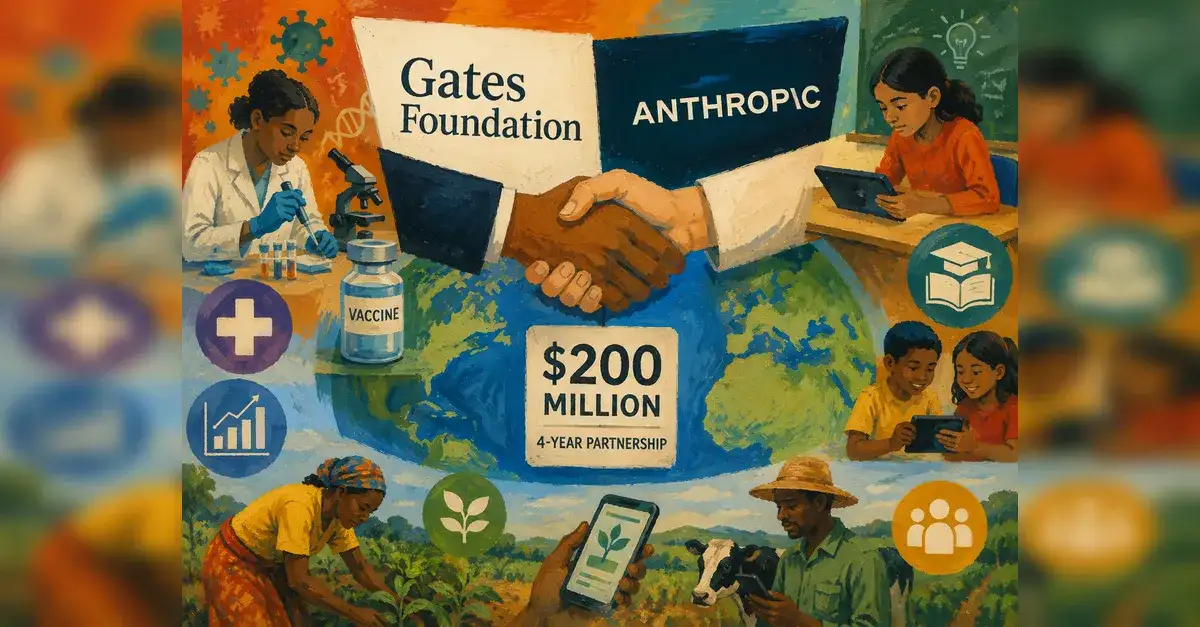
Read More: Gates Foundation and Anthropic Give $200 Million for AI in Health, Education, Farming