The 2026 WNBA offseason has reached a tenuous conclusion, defined primarily by the late-stage ratification of a new Collective Bargaining Agreement (CBA) on March 24. This administrative breakthrough, occurring only after months of stagnant negotiations, has set the fiscal and operational floor for a league undergoing its most aggressive expansion period in history.

Core reality: The league has successfully transitioned into a multi-tiered expansion era, where the influx of two new franchises—the Toronto Tempo and the Portland Fire—has forced a rapid reallocation of veteran talent and institutional capital.
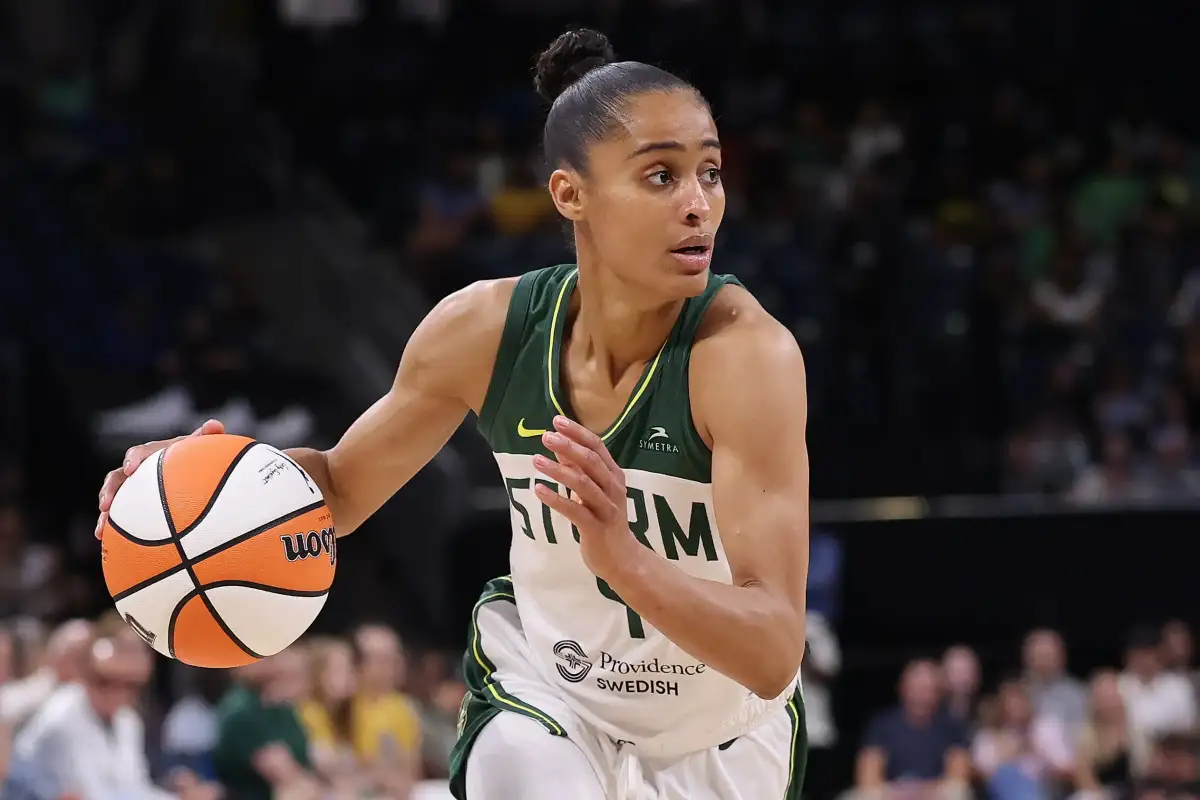
Structural Realignments
The delay in CBA talks compressed the offseason calendar, forcing teams to navigate roster protections, the expansion draft, and free agency in a chaotic sequence during early April. The volatility of this window was marked by high-profile exits and arrivals:
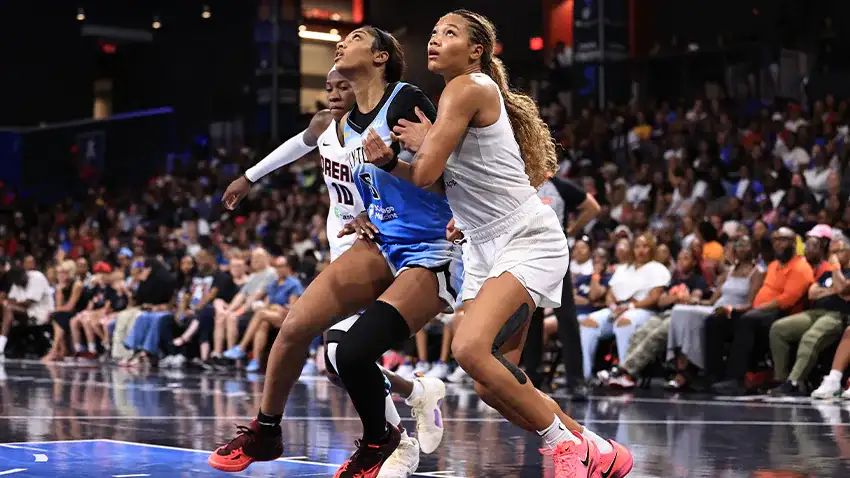
Expansion Impact: The Toronto Tempo have utilized their expansion leverage to secure veteran anchors like Marina Mabrey and Brittney Sykes, while the Portland Fire have prioritized strategic additions to build their foundational roster.
The Talent Consolidation: Despite the expansion, top-tier organizations like the Las Vegas Aces and the New York Liberty—who added Satou Sabally—have effectively maintained their status as super-teams by retaining the vast majority of their core rotational players.
Significant Departures: High-profile movement defined the trade market, most notably the transfer of Angel Reese from the Chicago Sky to the Atlanta Dream, a move that signifies a calculated pivot for both organizations following public friction regarding team trajectory.
The Fiscal and Operational Shift
The following table outlines the status of major contenders based on recent roster activity:
Read More: Spurs lead Blazers 3-1, need one win to advance

| Organization | Status | Key Strategic Focus |
|---|---|---|
| New York Liberty | High-Performing | Aggressive talent acquisition (Sabally) |
| Las Vegas Aces | Incumbent | Retention of existing super-team structure |
| Atlanta Dream | Aggressive | Postseason focus via trade (Reese) |
| Toronto Tempo | Expansion | Integration of expansion draft assets |
Analytical Context
The urgency of the March negotiations was not merely about player compensation; it was a necessary mechanism to prevent a systemic collapse in league operations as the expansion draft rules remained undefined until the eleventh hour. The transition to a new financial reality—where "million-dollar players" are now standard—alters the free agency calculus. Teams are no longer just competing for championships; they are operating within a heightened, professionalized environment where the margin for error in salary cap management has narrowed.
The league now enters the 2026 season with expanded roster sizes, yet the competitive gap between established championship contenders and the new expansion franchises remains the primary unknown variable as play commences.