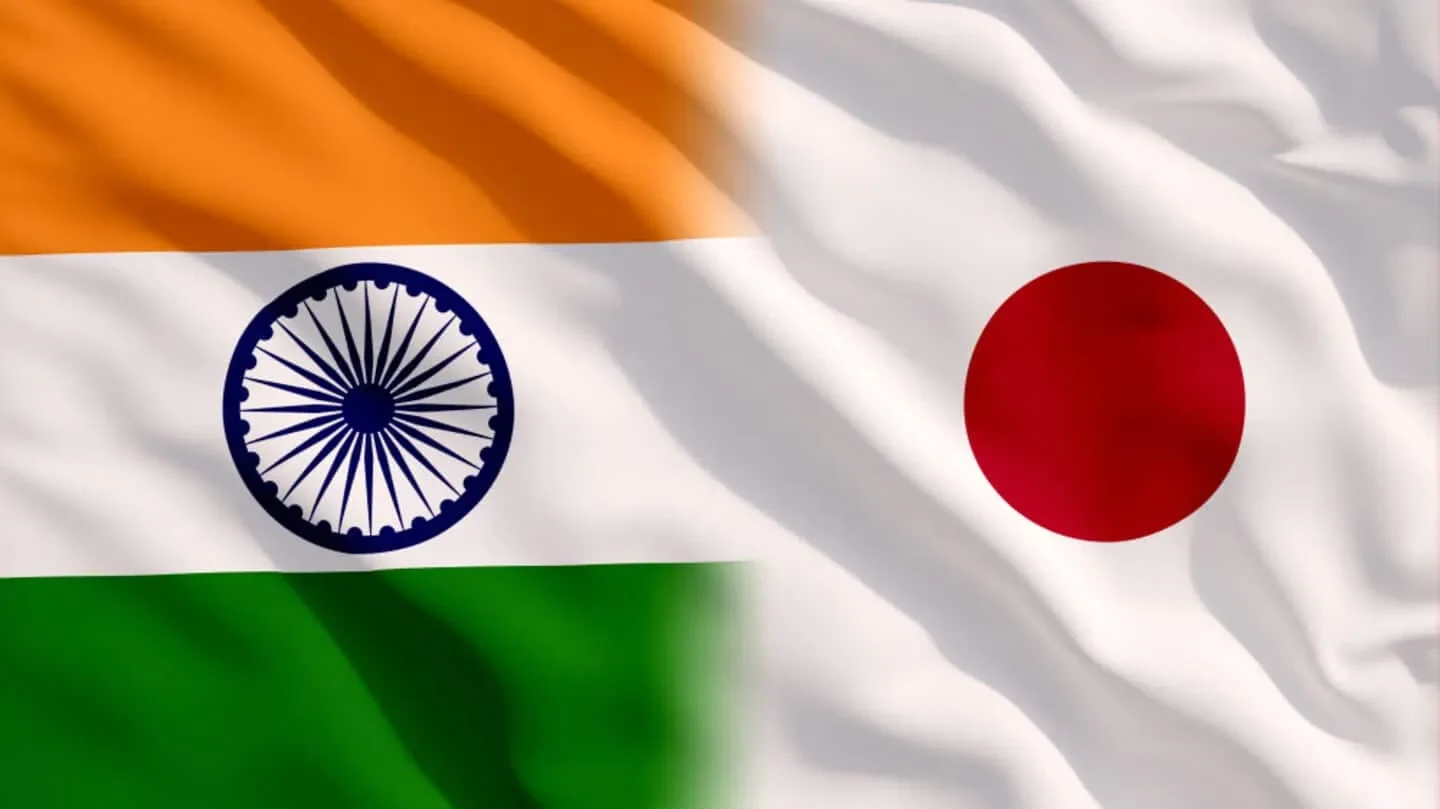
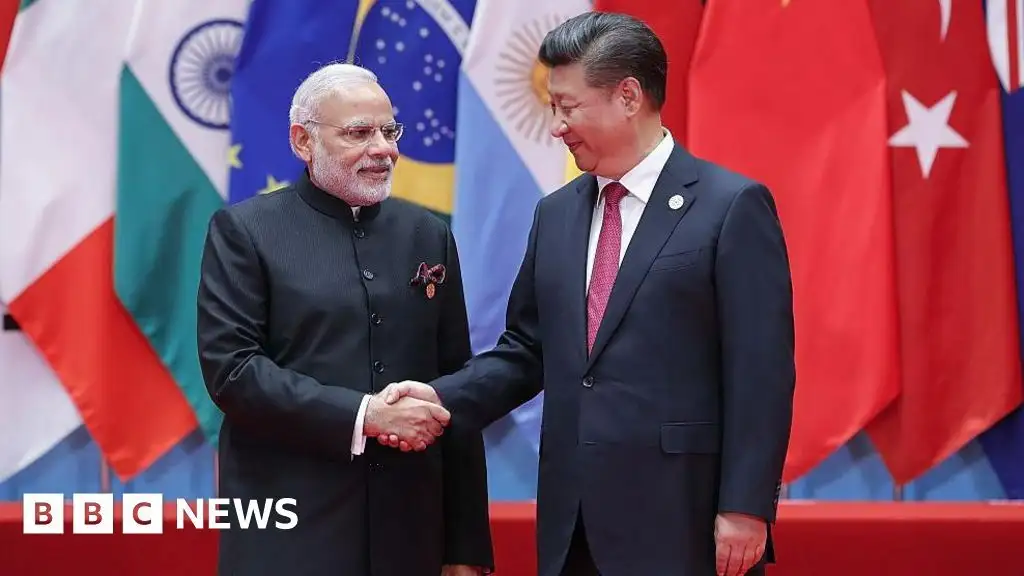
Tensions persist between India and China, largely due to an unresolved boundary. This long-standing issue is a key factor in the difficulties faced in bilateral ties. The term "boundary" is used with specific emphasis, as it differs from "border" when referring to the Line of Actual Control (LAC) between the two nations. While a resolution is possible, it requires dialogue and discussion.
Background of the Dispute
The core of the ongoing challenges lies in the unresolved nature of the boundary. This disagreement has historically led to clashes in various sectors along the LAC, including eastern Ladakh, the central sector, Sikkim, and Arunachal Pradesh. Despite existing agreements aimed at preventing such escalations, incidents continue to occur.
General Manoj Naravane highlighted that the "genesis of the problem" is the unresolved boundary.
He stated that differences of opinion on the boundary lead to clashes.
Agreements are in place to prevent escalation, but clashes still happen.
General Naravane's remarks were made at a book launch event, where he also mentioned that his memoir has not yet been published.
Efforts Towards Stability and Resetting Ties
Both India and China are engaging in efforts to manage their relationship, often with caution. The establishment of new working groups under the Working Mechanism for Consultation and Coordination on India-China Border Affairs (WMCC) signifies an attempt to maintain peace and stability in sensitive areas.
Read More: AFP Reviews War Crime Claims Against Australian in Gaza
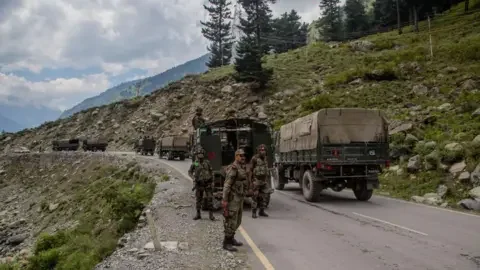
Agreements and Dialogue: In past high-level meetings, both sides agreed to establish new groups under the WMCC to manage the border and maintain peace. (Article 2)
Cautious Reset: India and China are exploring ways to reset their ties, but this process is marked by caution due to lingering challenges and suspicions. (Article 3)
Trade Considerations: China's desire to boost business with India exists alongside its territorial disputes. India, relying heavily on Chinese imports, adopts a pragmatic approach. (Article 3)
Persistent Trust Deficit and Cycles of Confrontation
Despite engagement efforts, a significant trust deficit remains a major obstacle in India-China relations. The relationship is described as being trapped in a cycle of hope and distrust, where apparent breakthroughs often unravel into renewed confrontation.
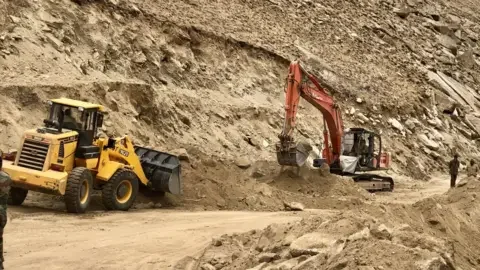
Trust Deficit: The lack of trust is a substantial barrier, even with recent engagement. (Article 4)
Cycles of Conflict: The relationship has seen a pattern of engagement and hostility. Diplomatic protocols or leader handshakes alone are insufficient to overcome suspicion; acts of political imagination are needed to foster dialogue. (Article 5)
Border Negotiations: Every effort, from border negotiations to confidence-building measures, has ultimately led back to confrontation. (Article 5)
Ongoing Consultations and De-escalation
Defense ministers and officials from both countries continue to consult on various levels to address de-escalation and disengagement along the border. China's foreign ministry has described the territorial dispute as "complicated."
Consultations on De-escalation: Defense ministers have agreed to ongoing consultations to advance de-escalation, disengagement, and eventual border delimitation. (Article 7)
Commander-Level Talks: India and China have held over 20 rounds of commander-level talks, with agreements on disengagement and patrolling management announced periodically. (Article 7)
Communications Mechanisms: China points to established communication channels at various levels as signs of progress in managing the situation. (Article 7)
Expert Analysis and Perspectives
General Manoj Naravane emphasizes that the unresolved nature of the boundary is the root cause of the difficulties in India-China relations, leading to frequent clashes. (Article 1)
The relationship is characterized by a "trust deficit," which acts as a major impediment to improving ties despite engagement efforts. (Article 4)
The dynamic between India and China is seen as a "loop of hope and distrust," where diplomatic progress is often followed by renewed confrontation. (Article 5)
Conclusion and Future Outlook
The unresolved boundary between India and China remains the central issue impacting their bilateral relationship. While dialogue and consultation mechanisms are in place, and efforts are being made to reset ties cautiously, the deep-seated trust deficit and the recurring cycle of confrontation suggest that significant challenges persist.
Read More: Tibetan Permafrost Thaw Releases Ancient Carbon, Risks Climate Tipping Point
Moving forward, the situation will likely depend on the success of ongoing consultations aimed at de-escalation and the potential for genuine political will to address the fundamental issues of the boundary dispute.
Sources Used:
The Hindu: Published 9 minutes ago. Reports on General Naravane's comments regarding the unresolved boundary between India and China.https://www.thehindu.com/news/national/unresolved-boundary-between-india-and-china-causing-difficulties-in-bilateral-ties-general-manoj-naravane/article70651557.ece
The Daily Jagran: Published Aug 22, 2025. Discusses the unfolding of India-China border disputes and efforts to end the stalemate, including the establishment of new working groups.https://www.thedailyjagran.com/world/india-china-border-disputes-how-the-crisis-unfolded-and-can-this-breakthrough-end-stalemate-10262048
BBC News: Published Jul 9, 2025. Reports on India and China's efforts to reset ties with caution, noting China's focus on other territorial disputes.https://www.bbc.com/news/articles/cly25ndp8kwo
Vajiram and Ravi: Published Aug 21, 2025. Analyzes India-China relations in 2025, focusing on border challenges, trust deficits, and renewed engagement.https://vajiramandravi.com/current-affairs/india-china-relations-2025-border-challenges-trust-deficit-renewed-engagement/
Foreign Policy: Published Nov 18, 2025. Describes the cyclical nature of India-China relations as a "loop" of hope and distrust, requiring political imagination to overcome.https://foreignpolicy.com/2025/11/18/china-india-modi-xi-border-dispute-diplomacy-geopolitics/
Newsweek: Published Jul 1, 2025. Provides an update on "complicated" border tensions between China and India, referencing consultations on de-escalation.https://www.newsweek.com/china-issues-update-complicated-border-tensions-india-2092946