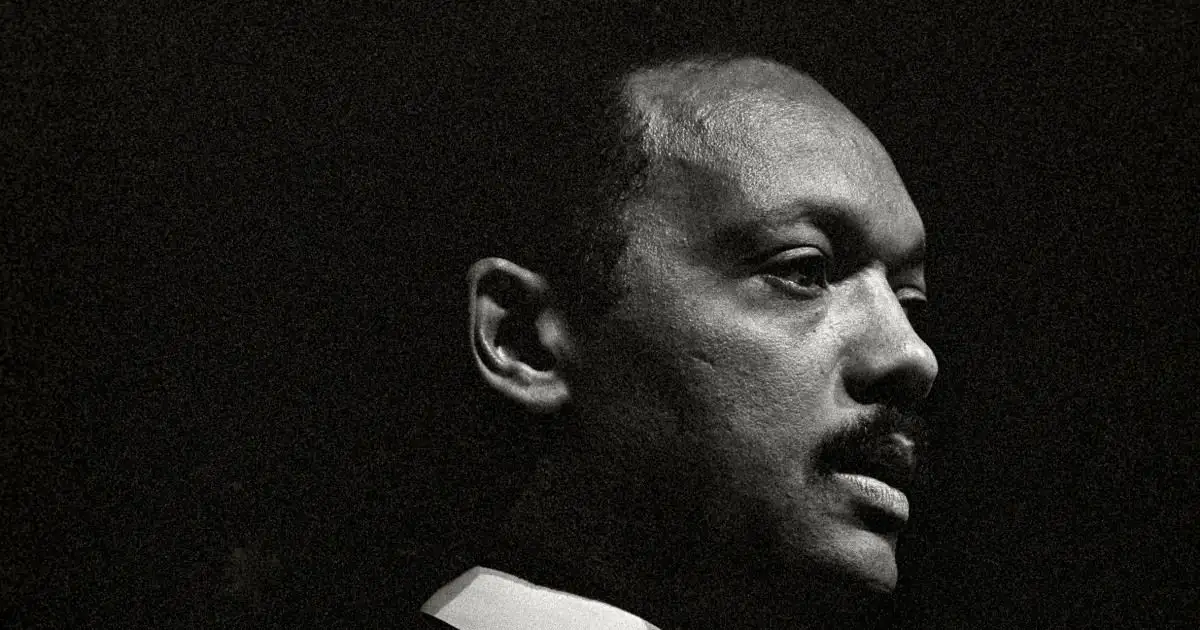
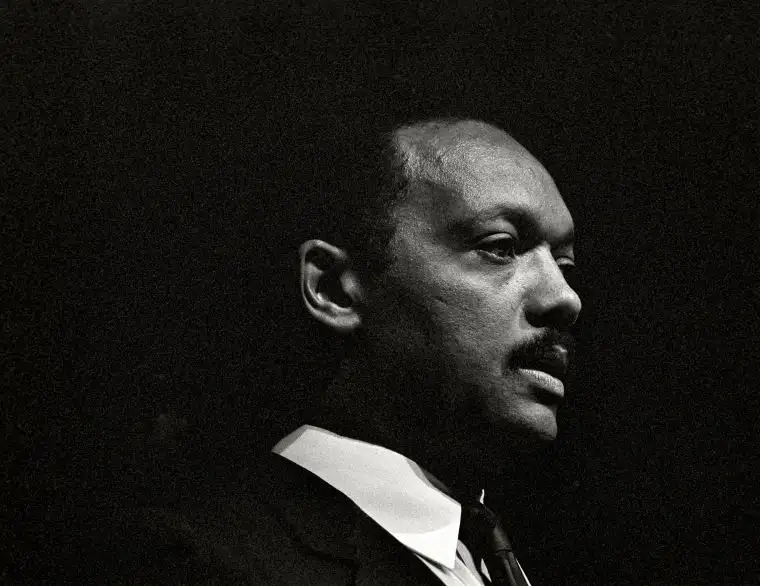
Reverend Jesse Jackson, a key figure in the American civil rights movement and a former presidential candidate, has died at the age of 84. His family confirmed his death on Tuesday morning following a long period of illness. Jackson was a primary link between the 1960s protests led by Dr. Martin Luther King Jr. and the modern political era.
His life was marked by work that moved from street protests to international negotiations and the halls of power in Washington. While he was praised for opening doors for Black politicians, his career also faced moments of intense public debate. His passing in Chicago brings to a close a 60-year career that changed how many people viewed race and politics in the United States.
A Life Of Activism And Politics
| Period | Key Activity | Location |
|---|---|---|
| Early Years | Born in 1941; adopted by stepfather at age 15. | South Carolina |
| 1960s | Joined the Civil Rights Movement; worked with Dr. Martin Luther King Jr. | Memphis / Chicago |
| 1970s-80s | Founded Operation PUSH and the Rainbow Coalition. | National |
| 1984 & 1988 | Ran for President of the United States. | National |
| Later Years | Negotiated hostage releases and pushed for corporate diversity. | International |
Jesse Jackson was born in Greenville, South Carolina, in 1941.
He grew up under "unpromising circumstances" but excelled in school and sports.
He turned down a spot on a professional baseball team to focus on his education and activism.
He became a minister in 1968 and later founded groups to help Black businesses and voters.
In his later years, he struggled with health issues but remained a visible figure in Chicago.
Evidence From Official Records And Public Statements
Public records and statements from world leaders confirm the scope of Jesse Jackson's influence. Barack Obama and Michelle Obama released a statement noting that Jesse Jackson helped make their path to the White House possible. Michelle Obama specifically recalled seeing political organizing at the Jackson family's kitchen table when she was a teenager.
Read More: Taiwan Holds Nantou County Drills to Prepare for State Collapse

"Michelle and I were deeply saddened to hear about the passing of a true giant… There certainly would be no Barack Obama if there was no Jesse Jackson." — Barack Obama
Statements from current and former presidents show the wide reach of his work:
Joe Biden called him a "man of God and of the people."
Donald Trump described him as a "good man with lots of personality and grit."
Bill and Hillary Clinton noted he "never stopped working for a better America."
The core fact is that Jackson's 1984 and 1988 presidential runs proved that a Black candidate could win millions of votes across different states, setting a precedent for future elections.
Disputed Accounts Of The Memphis Assassination
One of the most debated moments in Jesse Jackson's life occurred on April 4, 1968, the day Dr. Martin Luther King Jr. was killed.

Jackson’s Account: He appeared on television the next day wearing a blood-stained shirt, claiming he had held King’s head as he died at the Lorraine Motel.
Contradicting Views: Some members of King's inner circle questioned this account.
The Visual Record: Reports show that there are no known photographs of Jackson in the immediate area at the exact moment King was shot.
Investigation Note: If Jackson was not captured in the photos taken by others on the balcony at the time of the shooting, how did he come to have King's blood on his clothing? This question remained a point of friction between Jackson and other leaders in the Southern Christian Leadership Conference (SCLC) for years.
Read More: Obama Presidential Center Opens in Chicago on June 3, 2026
Political Gains And Public Controversies
Jesse Jackson's political career was a mix of breakthrough moments and significant setbacks. In 1984, he became a serious contender for the Democratic nomination, but his campaign was hit by reports of negative comments he made about the Jewish community.
He initially denied making the remarks but later apologized.
He accused some groups of trying to damage his campaign.
Despite this, he built a "Rainbow Coalition" of voters from different backgrounds.
While critics pointed to these events as evidence of a divisive nature, his supporters argued that he was unfairly targeted because he was a threat to the political status quo. The 1988 campaign saw him win even more support, proving that his message of "populism"—focusing on the needs of regular people—had broad appeal.
Global Negotiations And Corporate Pressure
Beyond U.S. politics, Jesse Jackson acted as an unofficial diplomat. He traveled to countries like Syria and Iraq to negotiate the release of American hostages.
He often succeeded where official government channels had failed.
He used his public platform to "shame" large companies that did not hire enough Black workers or executives.
He pushed for voting rights protections until his final years.
Analysis: Jackson chose to use "street smarts" and public pressure rather than traditional quiet diplomacy. This method made him popular with those who felt ignored by the government, but it often frustrated professional diplomats who felt he was interfering in official business.
Read More: FBI Analysts Review Georgia 2020 Election Data in Fulton County
Expert Analysis Of His Legacy
Experts in law and politics suggest that Jackson's biggest impact was not in the laws he passed, but in the people he inspired.
Civil rights attorney Ben Crump stated that Jackson "helped shape his own life" and the lives of many lawyers fighting for justice today. Hakeem Jeffries, the House Minority Leader, called him a "legendary voice for the voiceless."
Analysis from political observers shows two main views of his work:
The Trailblazer: He broke the "glass ceiling" for Black presidential candidates and forced corporations to change their hiring habits.
The Self-Promoter: Some critics felt he was too quick to step into the spotlight, sometimes at the expense of the movements he served.
Findings And Implications
The death of Jesse Jackson marks the loss of a man who was both a student of the non-violent protests of the 1960s and a master of the modern media age.
Confirmed Facts: Jackson died at 84 in Chicago after a long illness; he ran for president twice; he was a key aide to MLK Jr.
Unresolved Issues: Questions about his exact role in the moments after King's death remain part of his historical record.
Next Steps: His family has asked for privacy, but tributes continue to arrive from world leaders. A large public memorial in Chicago is expected, given his status as a city icon.
The investigator's view suggests that while Jackson was a person of great influence, his legacy is a complex mix of genuine progress and personal controversy. He leaves behind a political landscape that he helped build, but one that is still dealing with the issues of race and equality he spent his life addressing.
Read More: Obama Center Bronzeville Park vs Tower Debate Starts
Primary Sources
The Guardian: Jesse Jackson, civil rights icon, dies (Context on Obama and early life)
Chicago Sun-Times: Rev. Jesse Jackson, civil rights leader and Chicago icon, dead at 84 (Details on the Memphis incident and family)
NBC News: Rev. Jesse Jackson, a civil rights icon, dies at 84 (Tributes from Biden, Trump, and the Clintons)
USA Today: Jesse Jackson, towering icon of civil rights, dies (Information on hostage releases and corporate diversity)
PBS NewsHour: The Rev. Jesse Jackson, leader of Civil Rights Movement, dies (Analysis of the assassination account and Grant Park)
ABC7 Chicago: Civil rights icon Rev. Jesse Jackson dies in Chicago (Family announcements and local impact)