The desire to create a clean and organized home has led many people to follow popular tidying trends. However, professional organizers now report that many of these methods do not work long-term. While a tidy house can reduce stress, the process of getting there often causes significant worry and the fear of throwing away something important. Experts suggest that focusing on "pretty" storage boxes and labels instead of actual habits is a primary reason why decluttering efforts fail.

"Your pretty pictures don’t fool me. Do you really need to put labels on everything? Work on one area at a time." — Decluttering Expert (SMH)
The Timeline of Organizing Trends
Over the past year, the approach to managing household items has shifted from rapid cleaning to more careful, step-by-step methods.
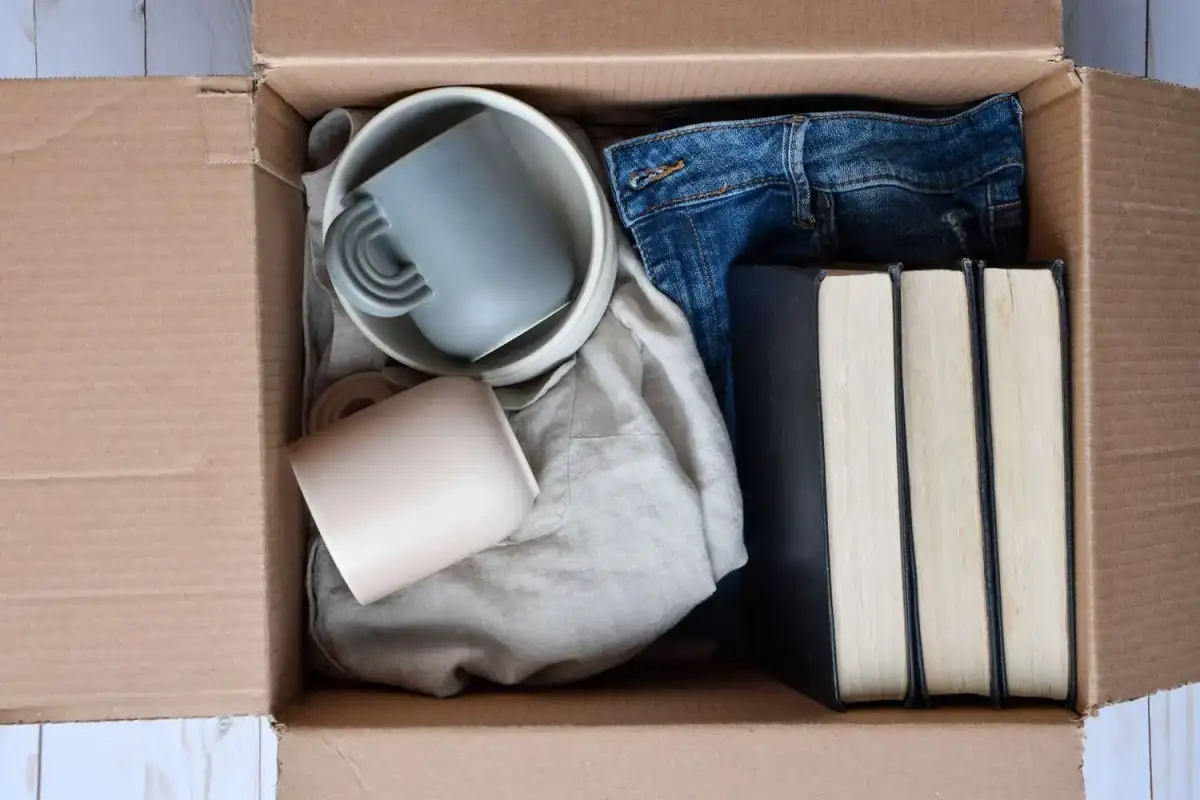
March 2025: Experts highlighted seven specific methods, including the "one-in, one-out" rule and the use of physical feelings to decide what to keep.
May 2025: Focus moved toward "decluttering without regret," teaching people how to let go of items like books and clothes without feeling bad later.
January 2026: Current reports suggest starting in small, high-use areas like the fridge to build momentum rather than trying to fix the whole house at once.
| Method | Core Concept | Main Risk |
|---|---|---|
| KonMari | Hold items to see if they bring joy. | Can lead to physical "heaviness" if done incorrectly. |
| Like-for-Like | Remove one old item for every new item bought. | Requires strict discipline to maintain. |
| Packing Party | Box everything and only take out what you use. | Can be overwhelming to live out of boxes. |
| Replacement Rule | Toss cheap, common items (black tees, spatulas). | May lead to extra spending if items are needed later. |
Visual Style Versus Usefulness
A major point of discussion among experts is the use of clear containers and labels. While these look good in photographs, they do not always help a person find what they need.
Read More: What guests notice when entering your home in April 2026
Some experts argue that labeling every single jar—such as cornflakes or couscous—is unnecessary if the contents are already visible.
The fridge is identified as a primary starting point because it is a "high-traffic" area where mistakes are easy to see.
Excessive labeling can sometimes hide the fact that a person still has too many items.
Managing the Fear of Regret
Many people keep items because they are afraid they will need them in the future. Experts offer two different ways to handle this feeling. One group suggests checking how your body feels when you touch an object. They say if your body feels "heavy," it is a sign to let the item go.

Another group suggests a practical "replacement test." If an item is easy to find at a local store or is cheap to buy again, the risk of getting rid of it is low. This applies to items like basic black t-shirts or kitchen tools. Is the fear of losing an item based on its actual value, or just a habit of holding on?
Shared Benefits and Giving Back
There is a growing trend to view decluttering as a way to help others. Instead of seeing a full closet as a problem, experts suggest seeing it as a source of gifts for the community.
Read More: Nations Championship rugby starts 7 April 2026 with new point system
Books: If they do not fit on the shelf, they can go to friends or local libraries.
Clothing: Items like coats can be donated to people who need them for the winter.
Mindset: Thinking about the "good" an item can do for someone else helps reduce the sadness of letting it go.
"The next time you're struggling to fit all your jackets in the coat closet, think about the good they can do in the world outside of it." — Martha Stewart Report
Expert Analysis on Method Selection
Experts agree that no single method works for every person. The "one-in, one-out" rule is highly recommended for people who continue to shop frequently. For those who are overwhelmed, the "Packing Party" is a more extreme but effective way to see what is actually used on a daily basis.
Attributed Insights:
Physical Response: Some professionals believe your body knows before your mind does if an item is a burden.
Step-by-Step: Starting with one drawer or the fridge prevents the "burnout" that comes from trying to clean a whole house in one weekend.
Accessibility: Letting go of digital-ready items (like books available on e-readers) is a safe way for beginners to start.
Summary of Findings
The evidence shows that successful decluttering depends more on a person's mental state than on the type of storage bins they buy.
Small Starts: Beginning with the fridge or one drawer creates a sense of achievement.
Functional Labeling: Labels should help people find things, not just make a shelf look pretty.
Regret Management: Using the "replacement rule" (can I buy this for a low price if I really need it?) helps lower the stress of cleaning.
Charity: Reframing decluttering as "donating" makes the process more positive.
The next step for most homeowners is to choose one small area and apply the "like-for-like" rule to prevent new items from creating fresh mess.
Sources Used
SMH (Sydney Morning Herald): "I’m a decluttering expert. Here’s what you’re doing wrong." (January 11, 2026). Link
Good Housekeeping: "I'm a Decluttering Expert: These Are My 7 Favorite Methods." (March 13, 2025). Link
Martha Stewart: "7 Steps to Decluttering Without Regret, According to Professional Organizers." (May 25, 2025). Link