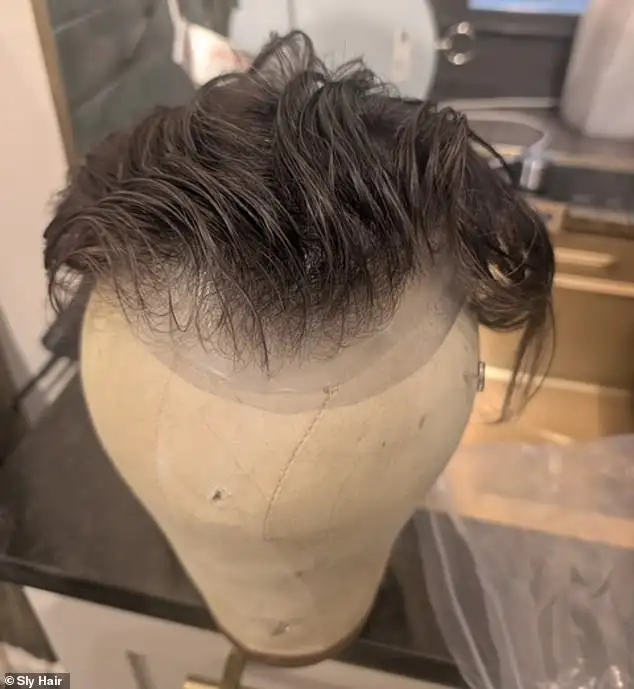
Many men begin to experience hair loss at a young age, which can lead to significant emotional distress and impact their self-image. This early onset of balding often prompts a search for solutions, with individuals exploring various paths, from medical treatments and surgical procedures to accepting baldness or using hair prosthetics. The psychological toll of hair loss is frequently highlighted, with men reporting feelings of embarrassment and a fractured sense of self.
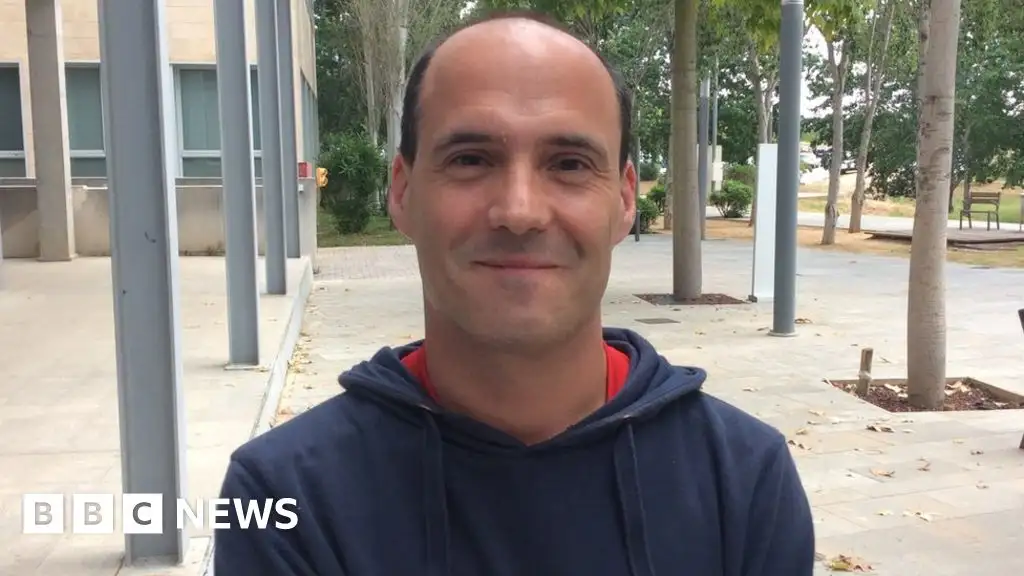
Personal Accounts of Hair Loss and Its Impact
Men experiencing hair loss, particularly at a young age, often describe profound emotional reactions.
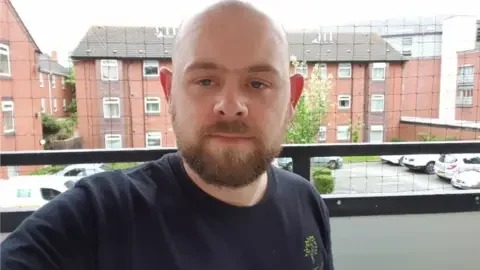
Emotional Impact: Reports indicate that noticing receding hairlines or thinning hair can be a source of unhappiness and can lead to feelings of embarrassment. Some individuals report that hair loss has been a "great source of unhappiness" and can leave their "self-image fractured."
Age of Onset: Several accounts detail the onset of hair loss occurring in their early to mid-twenties, a time when many are still developing their adult identity. One individual noted realizing they were going bald at 24, and another at 22.
Attempts to Disguise: Some men have tried various methods to conceal their hair loss.
One man attempted to "disguise the bald spot" by styling his hair differently, even though he "didn’t like it."
Another shared that he bought a hair clipper to trim his hair short, while a barber offered tips on using "cover spray" to hide bald spots.
Diverse Approaches to Addressing Hair Loss
Men facing hair loss explore a spectrum of options, reflecting a personal journey toward managing the condition.

Medical Treatments: Some individuals opt for medical interventions, while others express caution or avoid them.
Finasteride and minoxidil are mentioned as drugs that may slow hair loss. However, one account detailed a negative experience after a friend stopped using these drugs, leading to significant hair loss.
Advice from experts suggests caution regarding certain treatments, with one doctor believing a "hair revolution may come" but advising caution in the short term.
Surgical Procedures: Hair transplantation is presented as a significant intervention.
One man documented having a hair transplant at 28, acknowledging the procedure took "eight hours."
Discussions also touch upon future possibilities like "3D printed follicles" and "cell transplants."
Hair Prosthetics: Custom-designed hair systems offer an alternative to biological hair.
One entrepreneur founded a company, "Sly Hair," to create hair prosthetics designed to blend with natural hair.
The creator of this service shared a negative personal experience where a prosthetic "didn't match his natural hair," leading to visible issues.
Self-Acceptance and Redefinition: A growing number of men are choosing to embrace baldness.
This approach involves recognizing that "going bald doesn’t mean losing your attractiveness or masculinity—it can redefine them entirely."
Celebrities who have embraced baldness, such as Dwayne Johnson and Jason Statham, are cited as examples of men who exude charisma without hair.
The journey to acceptance is sometimes described in stages: "The day you realize you’re losing your hair, the day you realize you should shave off what remains, and the day you finally do."
The idea that "hair is only a part of you and doesn't define you" is a core tenet of this perspective.
Expert and Media Commentary on Hair Loss
Medical professionals and media outlets offer insights into the experience and management of hair loss.

Medical Perspective: Doctors acknowledge the psychological impact of hair loss.
A doctor noted that symptoms like "pain in the lower spine" might be related to back issues, suggesting a broader view of male health concerns.
The limitations of current treatments are sometimes acknowledged, with market leaders like Rogaine and Propecia noted to "slow hair loss, but they don’t grow new hair."
Societal Perceptions: Media discussions explore how society views baldness.
Comparisons are drawn to celebrities, and common phrases used to reassure balding men, like comparing them to Bruce Willis, are recognized as frequently heard.
There's an emerging conversation around beauty standards and authenticity, particularly when public figures openly embrace their appearance.
Underlying Factors and Future Possibilities
While immediate solutions focus on current treatments and acceptance, underlying factors and potential future advancements are part of the broader discussion.
Read More: Beverley Callard shares emotional breast cancer surgery update from hospital on Feb 23, 2026
Understanding Causes: Understanding "why you have thinning hair" is considered important for making informed decisions.
Technological Advancements: The field of hair loss treatment is evolving.
Concepts like "3D printed follicles" and "cell transplants" represent potential future innovations.
Some believe a "hair revolution" might be on the horizon, which could "radically change things for nearly all hair-loss patients."
Holistic Well-being: Beyond hair itself, other health issues can be interconnected.
One response mentions that pain from arthritis and back issues, alongside night cramps, might point to problems in the lower spine.
Sources Used
Article 1: Daily Mail - "I was mortified when I started balding at 24. Then I found the cure" (Published: 3 hours ago)
Link: https://www.dailymail.co.uk/health/article-15543879/hair-loss-prosthesis-men-balding-cure.html
Article 3: Brave - "Bald ambition: Why I had a hair transplant at 28" (Published: Unknown)
Link: https://www.telegraph.co.uk/men/thinking-man/bald-ambition-had-hair-transplant-28/
Article 4: BBC News - "Beating baldness: How men came to terms with hair loss" (Published: May 9, 2018)
Article 5: OreateAI - "Embracing Baldness at 24: A Journey of Self-Acceptance" (Published: January 16, 2026)
Article 6: Freebird - "Going Bald? Here's Everything You Need to Know | Freebird" (Published: December 2, 2025)
Link: https://www.myfreebird.com/blogs/lifestyle/guide-to-balding
Article 7: The Guardian - "'It can leave your self-image fractured': how hair loss hits men – and what they can do about it" (Published: March 17, 2021)
Article 8: The New Yorker - "Is the Age-Old Quest for a Baldness Cure Reaching Its End?" (Published: June 7, 2018)
Link: https://www.newyorker.com/news/news-desk/is-the-age-old-quest-for-a-baldness-cure-reaching-its-end
Article 9: Vice - "How to Deal With Baldness - From Men Who Know" (Published: November 26, 2024)
Link: https://www.vice.com/en/article/how-to-deal-with-baldness-from-men-who-know/
Article 10: Freebird - "Embracing Baldness: How to Confidently Accept Going Bald | Freebird" (Published: December 13, 2024)
Link: https://www.myfreebird.com/blogs/lifestyle/how-to-confidently-accept-your-baldness
Article 11: CNN - "The art of growing bald gracefully | CNN" (Published: April 20, 2023)
Link: https://www.cnn.com/style/article/male-pattern-baldness-experience-acceptance